Iran Conflict: Trump’s Threats Fuel Escalation and Doubt
Tensions between the U.S. and Iran escalate as President Trump issues a 48-hour ultimatum. Reports detail U.S. military actions, Iranian responses, and expert doubts about the strategy. The conflict raises concerns about regional stability and global security.

Iran Conflict: Trump’s Threats Fuel Escalation and Doubt
The situation between the United States and Iran has reached a critical point, marked by escalating rhetoric and military actions. Recent reports indicate a tense atmosphere, with President Donald Trump issuing strong ultimatums to Iran. This has led to a significant increase in military operations and a growing concern over the potential for wider conflict.
Trump’s Ultimatum and White House Lockdown
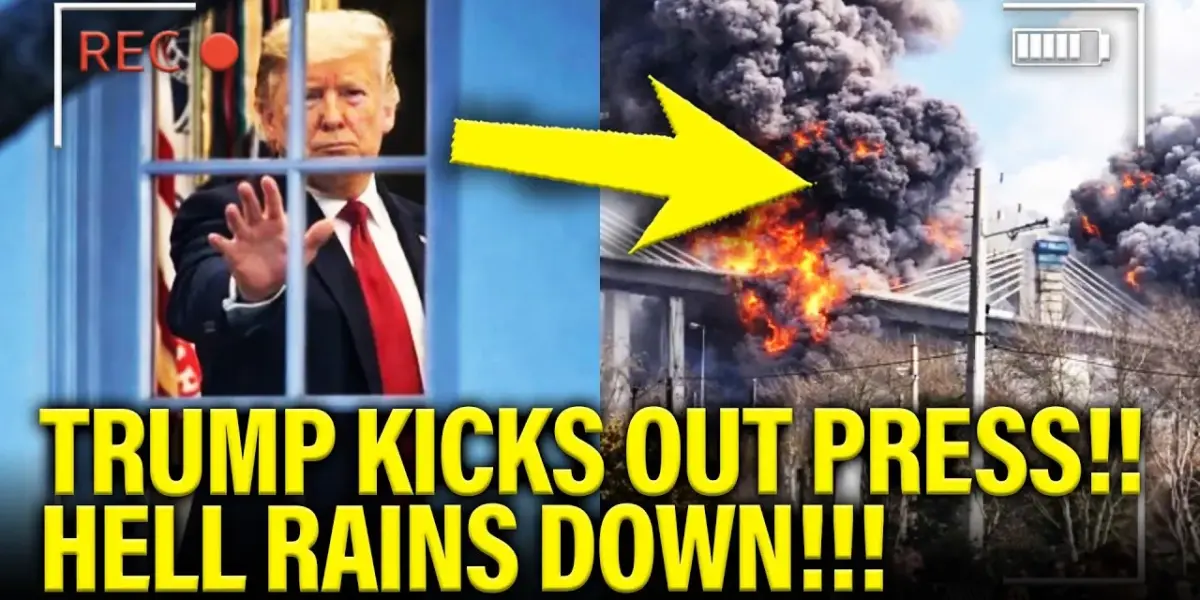
Reports suggest that President Trump has been intensely focused on the conflict, even going so far as to lock down the White House and restrict press access. This move, described as unusual, has fueled speculation about the seriousness of the situation. Trump has reportedly given Iran a 48-hour deadline to reach a deal, threatening severe consequences if they do not comply. His public statements, such as “all hell will rain down on them,” have been criticized for their aggressive tone, with some comparing it to the language of an authoritarian leader.
The Missing Pilot and Diplomatic Maneuvers
A key point of concern is the status of an American Air Force pilot whose F-15E was reportedly shot down. The search for this pilot remains a priority. Adding another layer to the complex situation, U.S. federal agents arrested the niece and grand-niece of the late Iranian military commander Qasem Soleimani. This action followed the revocation of their legal resident status, leading to questions about whether this was a retaliatory move or connected to developments regarding the missing pilot.
Attacks on Infrastructure and Civilian Casualties
The conflict has also seen significant military strikes. U.S. and Israeli forces have targeted major Iranian industrial sites, including petrochemical complexes and the Bushehr nuclear facility. These attacks have drawn comparisons to earlier events, such as the hostilities near Ukraine’s Zaporizhzhia nuclear power plant. Iran has warned that attacks on its nuclear facilities could lead to radioactive fallout affecting Gulf capitals. Footage has emerged showing the destruction of the Kage Bridge in Iran, highlighting the impact of these strikes on civilian infrastructure. Reports also mention the destruction of schools and universities, with claims of numerous children killed.
Expert Analysis and Iran’s Response
Analysts like Danny Citron, a former top Iranian analyst for Israel’s security apparatus, have expressed skepticism about the effectiveness of Trump’s strategy. He suggests that Iran is more likely to escalate than to surrender when faced with pressure. This perspective raises questions about whether Trump will further increase military action or seek to de-escalate the situation. Meanwhile, Iran has announced plans to unveil new air defense systems and has claimed responsibility for downing several U.S. aircraft, including an F-15E Strike Eagle and an A-10 Thunderbolt 2, along with search and rescue helicopters. This indicates Iran’s capability to respond to U.S. and Israeli actions.
Political Reactions and Shifting Alliances
U.S. political figures, such as Senator Lindsey Graham, have publicly supported Trump’s stance, emphasizing the need for Iran to open the Strait of Hormuz and reach a peace deal. Graham has stated that a massive military operation awaits Iran if they do not comply. However, critics argue that such rhetoric projects weakness rather than strength. Meanwhile, there are indications of countries pursuing independent diplomatic channels with Iran. Nations like France and Austria have reportedly held productive conversations with Iranian officials, focusing on diplomatic solutions and de-escalation. This suggests a potential divergence in international approaches to the conflict.
Historical Context and Future Outlook
The current tensions can be viewed within the broader context of U.S.-Iran relations, which have been fraught with hostility for decades. The conflict has seen a significant increase in reported American aircraft losses, including damaged or destroyed F-35s, F-15s, A-10s, drones, and tankers. Thirteen American military bases in the Middle East have reportedly been evacuated. In a striking public statement, Trump compared himself to Jesus, referencing his reception as a king, which has been met with a mix of reactions. Iranian officials, in turn, have sarcastically questioned the lack of coverage for alleged U.S. military failures, suggesting that bases have been abandoned and hit by Iran. They also point to Iran’s ability to retaliate through various means, including ballistic missiles, drones, and proxy groups like the Houthis in Yemen, who could disrupt Red Sea shipping.
The situation remains highly volatile. Iran’s assertiveness on the global stage appears to be growing, despite the international pressure. The ongoing conflict highlights the complex geopolitical dynamics at play and the potential for miscalculation. The coming days will be crucial in determining whether diplomatic solutions can prevail over military escalation.
Why This Matters
The escalating conflict between the United States and Iran carries significant implications for regional stability and global security. The aggressive rhetoric and military actions raise the specter of a wider war, which could have devastating humanitarian and economic consequences. The potential disruption of vital shipping lanes, such as the Strait of Hormuz and the Red Sea, could severely impact global trade and energy supplies. Furthermore, the involvement of multiple actors and the use of proxy forces add layers of complexity, making de-escalation and conflict resolution increasingly challenging. The situation underscores the need for careful diplomacy and a commitment to de-escalation to prevent a catastrophic outcome.
Source: Trump PANICS as HELL RAINS DOWN in WAR!!! (YouTube)

Related Articles
Russia Faces Last-Ditch Offensive, Internal Cracks
Russia may be launching a final major offensive in Ukraine as it faces mounting internal pressures. Analysts suggest this push is a last resort before significant manpower and financial issues arise. Meanwhile, increasing domestic information control and official criticism highlight growing cracks within the Russian establishment.


Trump Threatens Iran, Shaking Global Stability
Former President Trump's aggressive Easter Sunday warning to Iran has ignited global concerns, highlighting a volatile intersection of politics, religion, and foreign policy. The analysis explores the motivations behind such rhetoric, the deep divisions within American society, and the potential for severe economic and geopolitical repercussions worldwide.
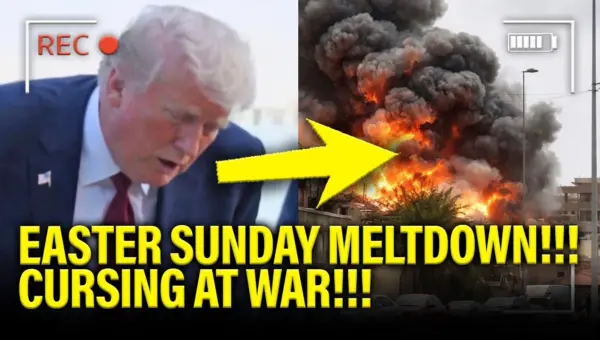
Trump’s Rhetoric Fuels Iran Tensions, Raises War Crime Alarms
Former President Donald Trump's aggressive Easter weekend social media posts directed at Iran have sparked international concern. His threats of military action and ultimatums, coupled with conflicting narratives about military engagements, have raised alarms about potential war crimes and a dangerous escalation of conflict. Critics accuse both Trump and segments of the media of downplaying the severity of his rhetoric.