Iran Conflict: Trump Signals War End Amid Shifting Market Signals
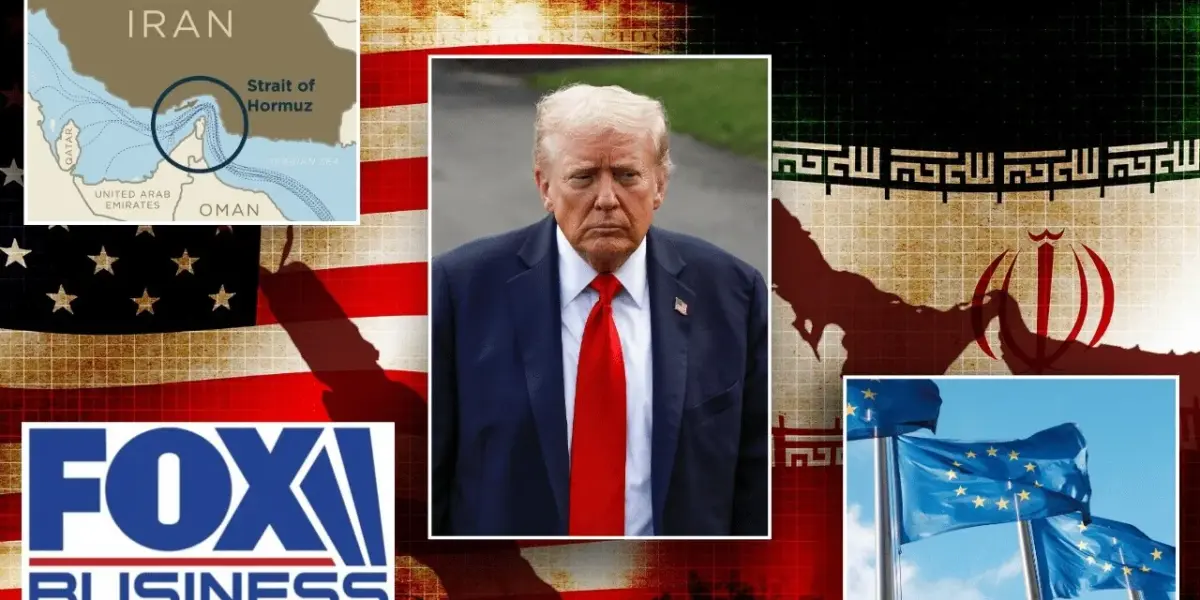
President Trump may be signaling an end to the Iran conflict, even if the Strait of Hormuz remains closed. This potential shift comes as markets show volatility, with analysts debating the value of regional security over short-term gains. The situation highlights ongoing diplomatic messaging and strategic military options.

Iran Conflict: Trump Signals War End Amid Shifting Market Signals
Thirty days into the conflict with Iran, the White House states the operation is on schedule. Similarly, the Pentagon estimated a four-to-six-week timeline for Operation Epic Theory. With the operation now at the 30-day mark, financial markets are watching closely for signals about the conflict’s potential end and its broader economic implications.
A report from The Wall Street Journal indicates President Trump may be willing to conclude the military action even if the Strait of Hormuz remains closed. This suggests a potential shift in strategy, prioritizing an end to hostilities over immediate control of the vital shipping lane. Iran’s naval power has reportedly been significantly weakened, with its missile programs crippled.
Market Volatility and Regional Security
While stock markets have shown volatility, the argument is being made that regional security is a more valuable long-term asset than short-term market gains. Jamie Dimon, CEO of JPMorgan Chase, emphasized the importance of completing the mission successfully. “It is much more important that this success be completed. That these are bad people and they needed to be stopped,” Dimon stated, adding that the focus must be on finishing the operation correctly.
The report found serious problems and suggests new rules that would affect all holders.
A Two-Front Messaging Battle
Analysts suggest President Trump is engaged in a two-front messaging battle. He is signaling to allies that they need to increase their own defense spending and take on more responsibility. This approach aims to encourage greater burden-sharing among international partners, particularly those who rely on the Strait of Hormuz for trade.
The core message appears to be that if allies do not step up, the outcome may not be favorable for them. This diplomatic pressure is running parallel to the military operations. The focus is on getting European allies to contribute more militarily, similar to how they are expected to contribute to their own defense.
The Strait of Hormuz: A Key Negotiation Point
A significant point of discussion is the potential for ending the war while the Strait of Hormuz remains closed. Iran has historically sought to control this vital waterway, which is crucial for global oil and gas shipments. If Iran retains control, it could continue to inflict economic pain globally through supply disruptions.
Experts suggest that a potential resolution could involve Iran negotiating the opening of the Strait in exchange for sanctions relief and possibly reparations. The long-term question of who controls the Strait remains a critical factor. If Iran continues to exert control, crude oil prices may not return to previous levels, impacting the global economy.
Military Objectives and Strategic Options
Retired General Frank McKenzie, former Commander of U.S. Central Command, outlined key objectives for success. These include the opening of the Strait of Hormuz and reaching agreements on Iran’s ballistic missile and nuclear programs. He noted that there are typically two ways to open the Strait: through negotiation or military action.
The U.S. military has long-prepared plans for reopening the Strait. One option involves seizing islands that control access, such as the Car Islands. This strategic move would not necessarily destroy Iran’s oil economy but would give the U.S. significant leverage in negotiations and could be used for future purposes. Seizing these islands would effectively shut down Iran’s oil exports.
Market Reactions and Diplomatic Possibilities
The markets have shown some positive movement, with the Nasdaq rallying 1.5% to 2% and yields falling. This rally may be partly driven by the anticipation of a resolution to the conflict and falling interest rates. Some analysts believe that the market is not desperate for a reason to go higher, but the reduction in conflict uncertainty could be providing a boost.
The transcript also raises the possibility of a diplomatic solution, suggesting that the conflict may not escalate into a trillion-dollar war. A scenario where President Trump waives sanctions on oil sales in exchange for Iran opening the Strait is considered. Such an agreement could benefit all parties by ensuring the flow of oil, fertilizer, and other essential goods, especially since a significant number of targets have already been hit.
Allied Involvement and Long-Term Outlook
A notable absence in the current situation is the involvement of Arab states and European allies. Despite the U.S. contributing the most to regional security, allies have not stepped up to the plate. This lack of support raises questions about the effectiveness of international cooperation in resolving such conflicts.
The long-term outlook hinges on whether a diplomatic solution is truly achievable. While some believe a diplomatic resolution is possible, others question if it aligns with the administration’s stated objectives of fully completing the mission. The issue of enriched uranium also adds complexity, with questions remaining about its location and how it will be handled.
Investor Considerations
For investors, the situation presents a complex interplay of geopolitical risk and potential market opportunity. The successful resolution of the conflict, particularly the reopening of the Strait of Hormuz, could stabilize energy markets and boost global trade. However, the potential for prolonged conflict or continued Iranian influence over the Strait poses risks to oil prices and economic stability.
The market’s reaction suggests a desire for de-escalation and a return to more predictable economic conditions. Short-sellers covering their positions ahead of a weekend and the end of the first quarter also indicate a shift in sentiment. Investors will be closely monitoring future developments, including diplomatic efforts and any further military actions, to assess the evolving risk landscape.
Source: Trump is fighting a two-front messaging battle: Brian Brenberg (YouTube)

Related Articles
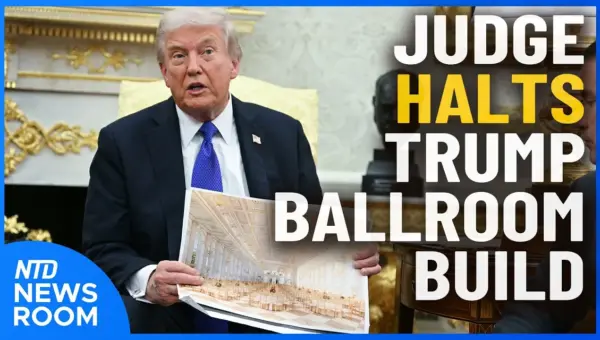
Europe Faces Energy Crisis as Trump Demands Self-Sufficiency
President Trump is pushing European allies to secure their own energy, potentially reshaping global markets. Meanwhile, TSA lines are shortening as agents receive paychecks amid a DHS shutdown, with lawmakers seeking ways to reopen the department.
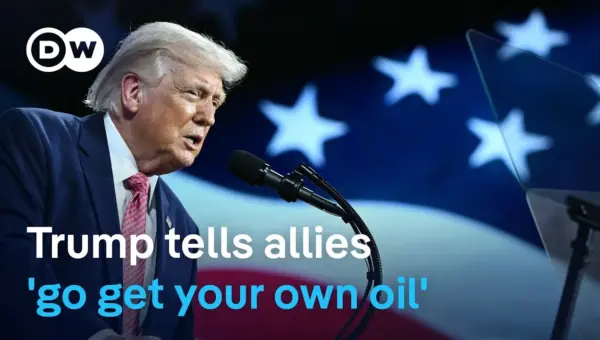
Trump’s Iran Strategy: Off-Ramp or Escalation?
President Trump urged allies to secure their own oil from the Strait of Hormuz, highlighting U.S. frustration with the ongoing Iran conflict. Experts warn of a potential European energy crisis and suggest historical lessons, like the failed Gallipoli campaign, caution against military shortcuts, advocating instead for negotiated diplomatic solutions.
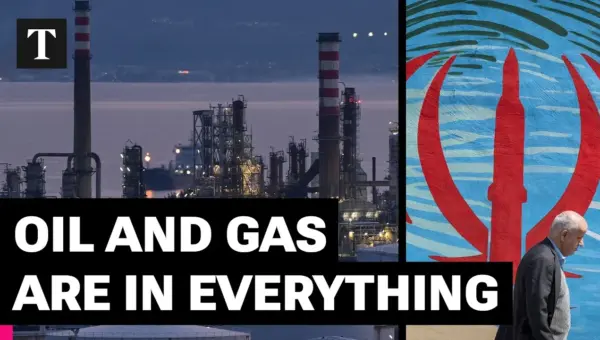
Global Energy Shock Looms: Iran War Threatens Supply, Prices
A widening energy crisis, stemming from the conflict in the Middle East, threatens global economic stability. Economist Liam Halligan warns of potential price shocks, plastics shortages, and even future food insecurity due to disrupted oil, gas, and fertilizer supplies. The UK, as a net energy importer, faces particular vulnerability.