Iran Conflict Traps Trump: Silence Amidst Escalating War
Donald Trump's silence amidst the escalating Iran conflict raises concerns. Amidst conflicting reports on the ground and accusations of U.S. involvement in civilian strikes, the administration's narrative faces scrutiny. The situation highlights geopolitical realignments and the potential for wider regional instability.

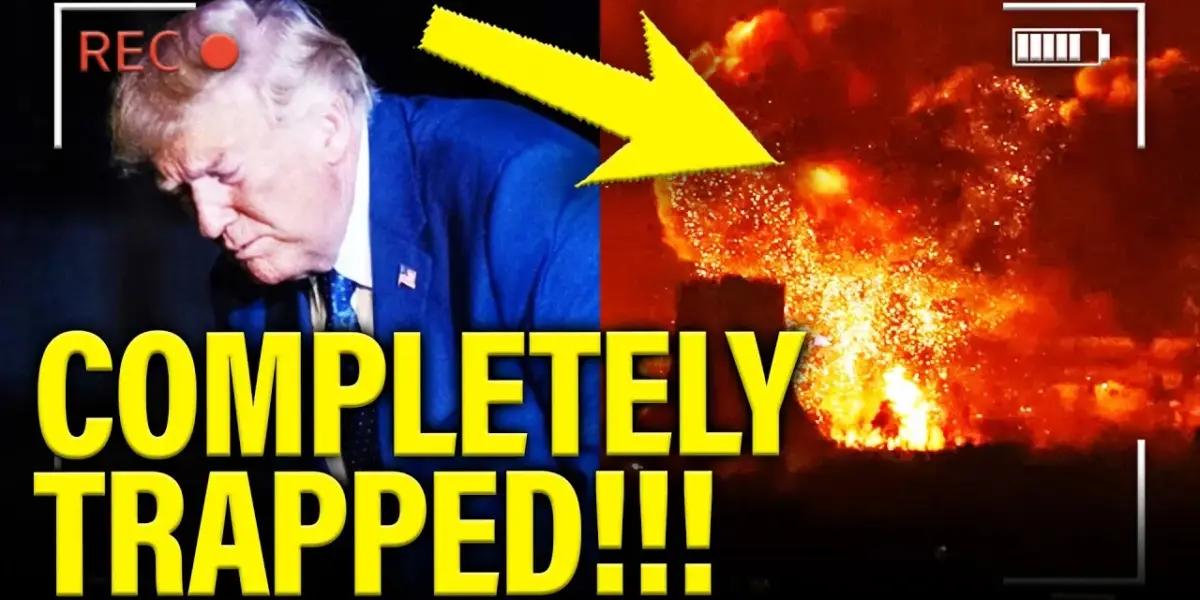
Iran Conflict Traps Trump: Silence Amidst Escalating War
The ongoing conflict in Iran has placed Donald Trump in a precarious position, marked by a conspicuous silence as the war intensifies. Despite pronouncements of Iran’s “decimation,” evidence on the ground and from international reports suggests a different reality, raising questions about the efficacy and narrative surrounding the Trump administration’s approach to the region.
Contradictory Claims and Ground Truth
During a recent press conference, Donald Trump asserted that Iran had been “completely decimated, utterly obliterated, barely even exists anymore.” This statement starkly contrasts with reports from outlets like The New York Times, which have featured images of widespread public support in Tehran for Iran’s new Supreme Leader, Ayatollah Montaba. This suggests that rather than being weakened, the Iranian regime may be consolidating power and rallying its populace, potentially in response to perceived external aggression.
Further complicating the narrative are accusations that the United States, not Iran, was responsible for a bombing at an elementary school in Manab, Iran. Reports, citing evidence such as recovered missile debris with “Made in USA” and Department of Defense codes, point to the potential use of U.S.-made Tomahawk cruise missiles. This raises serious questions about the administration’s transparency and the accuracy of its public statements regarding the conflict.
Escalation and Regional Instability
The conflict shows no signs of de-escalation. Iranian officials have indicated no desire for a truce or ceasefire, and the country continues to launch drones and ballistic missiles into neighboring Arab nations. A recent incident saw a major oil refinery in the United Arab Emirates halt operations following a drone strike, underscoring the widening impact of the regional tensions. This event occurred shortly after Trump issued a stark warning: any action by Iran that disrupts oil flow in the Strait of Hormuz would be met with overwhelming force, including the potential destruction of Iran’s ability to rebuild as a nation.
The rhetoric employed by the Trump administration, characterized by threats of “death, fire, and fury,” is seen by critics as counterproductive, potentially radicalizing the Iranian population against the U.S. and solidifying support for the current regime.
Internal Dissent and Strategic Missteps
Within the Trump administration, there appear to be internal pressures to find an “exit ramp” from the escalating conflict, driven by fears of political backlash. Steve Witcoff, identified as Trump’s envoy, expressed uncertainty about how to resolve the war, stating, “I don’t know. I have no clue.” His responses to questions about the war’s impact on Americans struggling with economic hardship, such as rising gas and grocery prices, were dismissive, suggesting that the current leadership is essential to prevent far worse outcomes, such as widespread nuclear proliferation.
A New York Times poll indicates that public support for the war in Iran is significantly lower than for previous U.S. military interventions, such as the Persian Gulf War or the wars in Afghanistan and World War II. This suggests a growing disconnect between the administration’s actions and public sentiment.
Geopolitical Realignment and Unconventional Alliances
The conflict is also precipitating shifts in geopolitical alliances. Trump’s administration has reportedly alienated India, a traditional ally, while seemingly aligning more closely with Pakistan. The Prime Minister of Pakistan has sent congratulatory messages to Iran’s new Supreme Leader, highlighting a complex web of regional relationships that appear to be shifting in response to the escalating tensions.
Furthermore, there are reports of the U.S. providing Ukraine with counter-drone technology, a move that was apparently offered to the U.S. by Ukrainian President Zelenskyy last year but initially refused by Trump. The involvement of Eric Trump’s company in drone technology adds another layer of complexity, raising questions about potential conflicts of interest.
The administration’s engagement with Russia is also a point of concern. Reports suggest ongoing communication between Trump’s team, including Jared Kushner and Steve Witcoff, and Russian officials like Yuri Ushakov, independent of official channels. This raises questions about the extent of coordination and potential alignment with Russia amidst the escalating conflict.
Official Narratives vs. Reality
Official statements from figures like House Speaker Mike Johnson, who suggested the hostilities in Iran were nearing an end and had been “remarkably successful,” are met with skepticism given the ongoing developments. Similarly, comments from Pete Hegseth, framing Iran as a nation of “terrorist cowards” firing missiles from schools, are contrasted with evidence suggesting U.S. involvement in strikes on civilian areas.
The administration’s approach also appears to be impacting long-standing alliances. The potential redeployment of U.S. air defense systems from South Korea to the Middle East, despite South Korea’s opposition, illustrates a transactional and potentially unreliable approach to international partnerships. Critics argue that this mirrors Trump’s past business dealings, characterized by instability and a “trail of destruction.”
Why This Matters
The situation in Iran and the Trump administration’s response highlight critical issues concerning international relations, geopolitical stability, and domestic policy. The apparent disconnect between official pronouncements and on-the-ground realities raises concerns about transparency and the potential for miscalculation in a volatile region. The escalating conflict has far-reaching implications, including potential impacts on global energy markets, regional security, and the broader international order. The administration’s approach to alliances and its engagement with adversaries like Russia also warrant close scrutiny, as these actions can shape the global landscape for years to come.
Implications, Trends, and Future Outlook
The current trajectory suggests a prolonged period of instability in the Middle East. The administration’s “maximum pressure” campaign, if continued, may further entrench opposition and fuel regional proxy conflicts. The trend towards transactional alliances, where partnerships are contingent on immediate perceived benefits, could weaken long-term diplomatic frameworks. The future outlook remains uncertain, with potential for further escalation or a diplomatic resolution that is currently not in sight. The impact on global energy prices and the risk of wider conflict are significant concerns.
Historical Context and Background
The current tensions are rooted in decades of complex U.S.-Iran relations, including the 1953 coup, the 1979 revolution, and subsequent periods of confrontation and cautious engagement. The Trump administration’s withdrawal from the Joint Comprehensive Plan of Action (JCPOA) in 2018 and the reimposition of sanctions marked a significant escalation, leading to Iran’s retaliatory actions and the current cycle of conflict. Understanding this historical context is crucial to appreciating the depth of animosity and the challenges of finding a lasting resolution.
Source: Trump GOES SILENT as IRAN WAR TRAPS HIM!!! (YouTube)

Related Articles
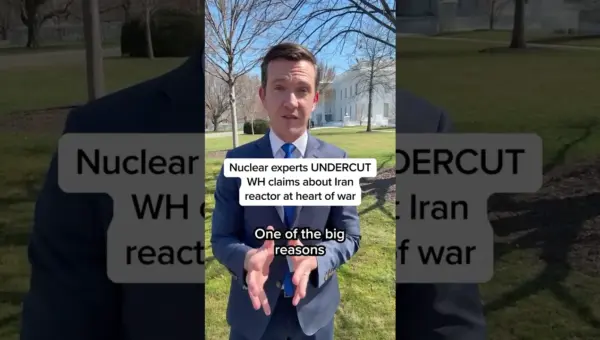
Experts Dispute US Claims on Iran Reactor’s Nuclear Bomb Role
Nuclear experts are publicly disputing the Trump administration's claims that Iran's Tehran Research Reactor is being used to develop nuclear weapons. Scientists assert the U.S.-built facility, operational for decades for civilian research, lacks the capacity for bomb-making.

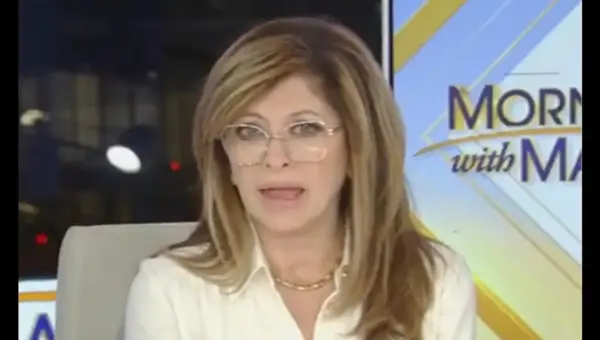
Trump’s War Costs Ignite Fury Across Political Divide
As the US expends billions on a new Middle East conflict, questions about cost, rationale, and broken promises ignite fury across the political divide. Even Fox News and conservative figures are voicing concerns, highlighting the growing public unease with escalating warfare.
Iran War Boosts Rubio’s Profile Amid 2028 Presidential Race
As the US engages in military action against Iran, Secretary of State Marco Rubio's profile has risen, fueling 2028 presidential speculation. Former President Trump's fundraising poll highlights his focus on succession, while JD Vance remains a strong contender. The duration of the Iran conflict and its impact on public opinion will be key factors.