Iran Conflict Threatens Trump’s Core Promises to Voters
President Trump's handling of the Iran conflict is causing backlash from his own supporters, who feel key campaign promises on ending foreign wars and lowering costs have been broken. The economic fallout, particularly rising gas prices, is directly impacting voters and eroding trust. This dissent, amplified by critical media voices and evident in battleground states, threatens to fracture Trump's core coalition.

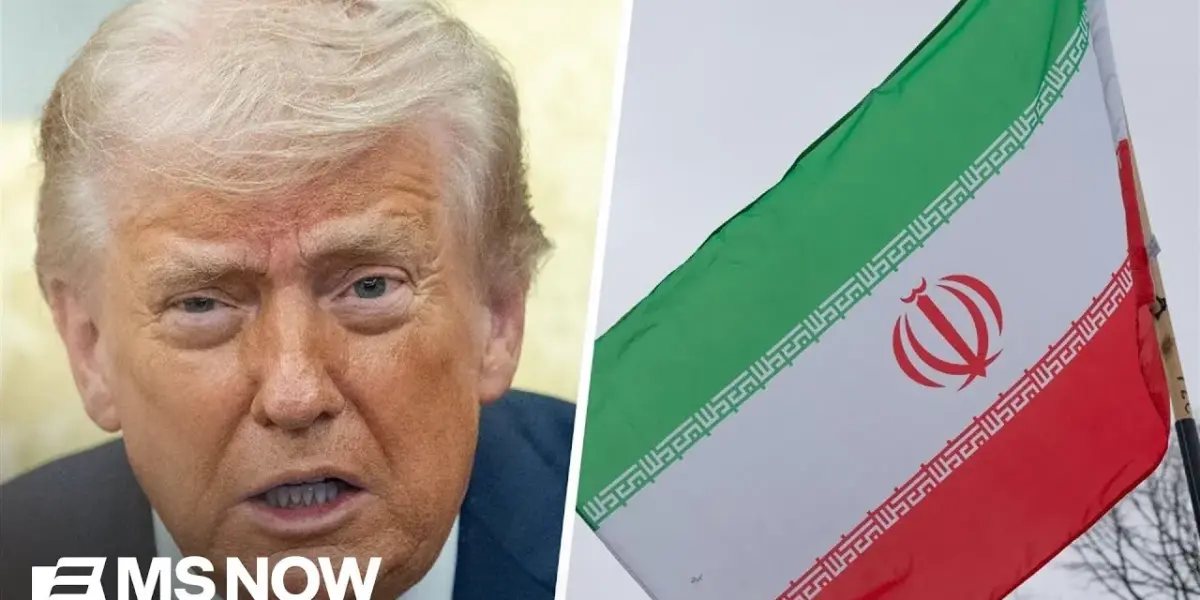
Trump’s Iran Stance Sparks Voter Discontent
President Trump is facing growing criticism from his own supporters over his handling of the conflict with Iran. Critics argue his actions have directly contradicted key campaign promises, potentially alienating crucial voter blocs. This comes as Iran’s parliament speaker claims a ceasefire deal with the U.S. has been violated, adding another layer of complexity to the volatile situation.
Broken Promises and Voter Frustration
During his 2024 campaign, Trump built his platform on three main promises: securing the border, lowering costs for Americans, and ending foreign wars. However, the recent escalation with Iran and its impact on gas prices are seen by many as directly undermining the latter two promises. This has led to significant frustration among voters who felt Trump was their best hope for economic relief and a less interventionist foreign policy.
Peter Hambee, who has covered Trump’s voters for years, noted that the conflict could be a defining moment. He observed that while some populist right elites are angry with Trump over the war, many rank-and-file voters are not. However, he also pointed out a notable drop in support among Republican voters, suggesting a “slippage” of five to eight points. The core of Trump’s 2024 coalition included Republicans, independents, Latinos, and young men. His approval ratings have plummeted among these groups, largely due to economic concerns linked to the Iran situation.
“He’s invalidated two of those things by going into THAT IS A POLITICAL DECISION OF HIS CHOOSING THAT HAS ERASED HIS TRUST AND CREDIBILITY WITH CORE GROUPS THAT ELECTED HIM.”
Battleground States Show Signs of Disengagement
John Nichols, executive editor of The Nation, recently visited Wisconsin, a crucial battleground state where elections are often decided by razor-thin margins. Nichols reported that instead of switching parties, many voters are simply staying home. This trend was evident in recent local elections, where Democratic candidates saw significant gains, exceeding historical averages. In Milwaukee, a neighborhood that previously supported Trump saw overwhelming support for a progressive candidate. Similarly, young men who had previously leaned towards Trump were not as visible at the polls.
Nichols described this as a sign of exhaustion and frustration, leading voters to disengage rather than actively support an opposing party. He contrasted this with the energy seen on the Democratic side, which appears motivated to vote. The Democratic victories in traditionally Republican strongholds, like Waukesha, are seen as significant indicators of shifting political moods.
Foreign Policy Disconnect and Economic Pain
Rick Stangle, a former Undersecretary of State, highlighted the disconnect between Trump’s foreign policy decisions and their real-world impact on voters. He described Trump’s approach as “declaring peace and then they walk away,” suggesting a lack of consistent implementation and expert consultation within his administration. This has led to situations where issues like Iran, which were not top concerns for most Americans before the conflict, are now front-of-mind due to rising gas prices.
Stangle emphasized the irony that a conflict Trump initiated, against the wishes of voters who wanted to avoid foreign wars, is now directly affecting their daily lives at the gas pump. This self-inflicted wound, as he put it, has eroded trust and credibility with core supporters.
Elite Voices vs. Everyday Concerns
Rick Wilson, cofounder of The Lincoln Project, pointed to a growing divide between elite MAGA voices and the everyday concerns of Trump’s base. He argued that Trump’s actions, such as initiating a war with Iran and imposing tariffs that harmed the rural economy, have created a political chemistry that is unlikely to dissipate quickly. The brief ceasefire offered little relief, and skepticism about Trump’s plans is widespread.
Wilson also noted that Trump’s own supporters are realizing that it won’t be their children fighting in foreign conflicts, but rather the children of ordinary Americans. The Lincoln Project has released ads highlighting this concern. He believes there is significant dysfunction within the MAGA movement, as reflexive support is being challenged by realities that cannot be easily explained away, like the tangible cost of gas at the pump.
The Impact of Critical Media Figures
The influence of prominent conservative media figures who are critical of Trump’s handling of the Iran conflict is also a significant factor. While many Republican and MAGA voters still support the president, the repeated criticism from voices like Tucker Carlson and Candace Owens could have a substantial downstream effect. These criticisms, which sometimes question Trump’s judgment or suggest he is beholden to other interests, can trickle down to less politically engaged voters through various media channels.
Trump has often relied on these voices to mobilize his base. If they begin to turn against him, especially on core issues like foreign policy and economic stability, it poses a considerable risk to his political standing. The current situation highlights the challenge Trump faces in reconciling his policy decisions with the promises he made to the voters who elected him.
Source: Iran parliament speaker: Ceasefire deal with U.S. violated (YouTube)

Related Articles
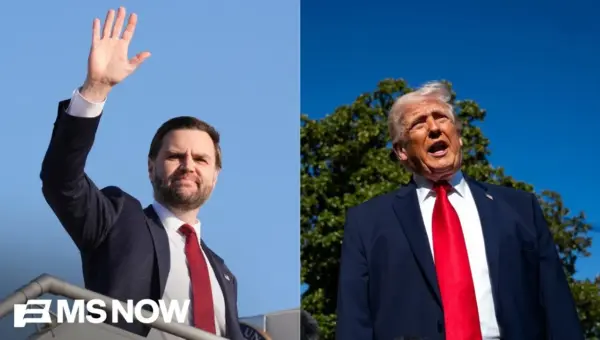
Trump Threatens Hormuz Blockade Amid Nuclear Talks Failure
President Trump has ordered an immediate U.S. naval blockade of the Strait of Hormuz following the failure of nuclear talks with Iran. Key disagreements over uranium enrichment and frozen assets, coupled with the ongoing conflict in Lebanon, have stalled diplomatic progress. Congressman Gregory Meeks criticized the move as "nonsensical" and called for renewed diplomatic efforts.
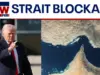
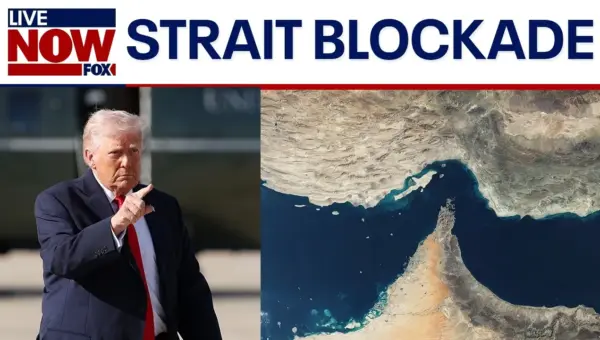
Trump Orders Strait of Hormuz Naval Blockade After Talks Fail
President Trump has ordered a U.S. naval blockade of the Strait of Hormuz after peace talks with Iran failed to reach an agreement, primarily due to Iran's nuclear ambitions. The U.S. Navy will intercept ships paying tolls to Iran and destroy mines, escalating tensions significantly.
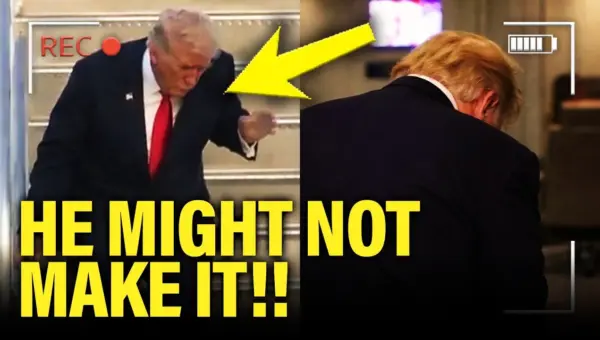
Trump’s Health Woes Overshadow Failed Ceasefire Talks
Concerns are mounting over Donald Trump's physical and cognitive health following the failure of critical ceasefire negotiations. Reports and footage suggest a decline, impacting his ability to engage in vital diplomatic efforts and leading to questionable public statements.