Iran Conflict Threatens Global Internet: Cables at Risk
The ongoing conflict involving Iran is putting global internet infrastructure at risk. Threats to data centers and vital undersea fiber optic cables could disrupt online services worldwide. Redundant systems may not be enough if backups are also in the line of fire.

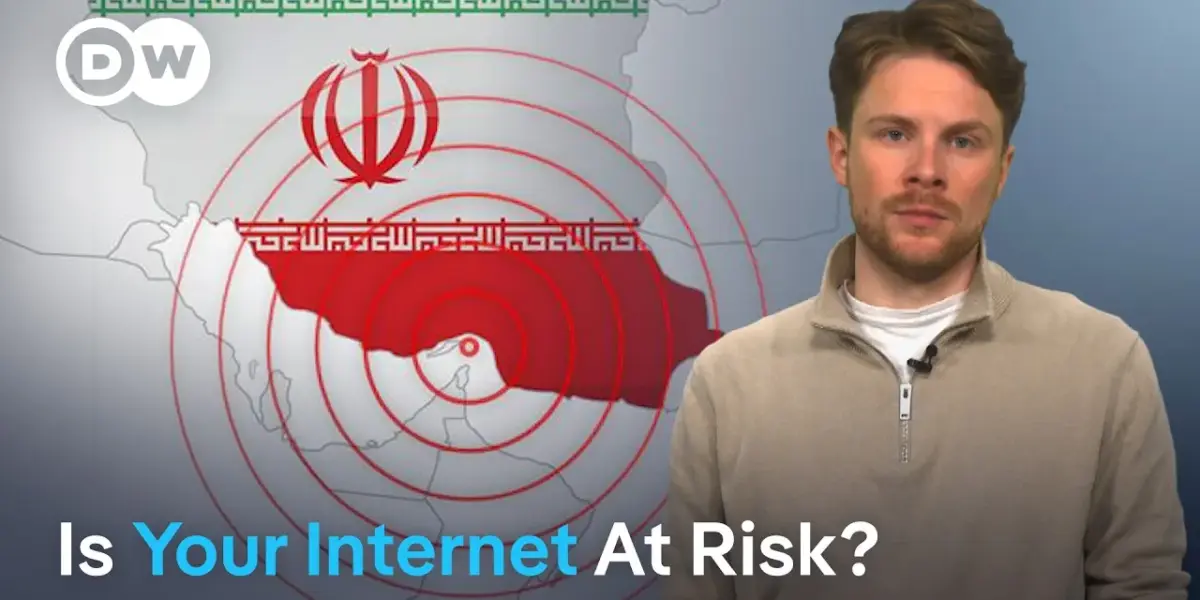
Iran Conflict Sparks Global Internet Fears
The ongoing conflict involving Iran is raising serious questions about the safety of the world’s internet infrastructure. Iran’s government has repeatedly threatened to attack what it calls enemy technology. These threats are not just talk. They target the very systems that power our online lives. US tech companies are the main builders and operators of this digital backbone in the Middle East. They manage huge data centers in countries like Bahrain, the UAE, Qatar, and Saudi Arabia. But the danger goes deeper, right down to the ocean floor.
Undersea Cables: The Internet’s Lifelines
Lying on the seabed, especially through the Strait of Hormuz, are fiber optic cables. These cables are like the main arteries of the global internet. If they are damaged, the effects are felt far beyond the immediate region. Imagine a major highway being shut down; it affects everyone trying to get from point A to point B. These cables carry an astonishing amount of internet traffic, over 95% of the world’s data.
Data Centers Face Direct Threats
The conflict has already shown how vulnerable data centers are. Targeted drone strikes can easily knock regional data centers offline. Amazon recently reported issues with its cloud services, AWS, due to Iranian drone activity in Bahrain. In March, when Amazon’s data hubs in the UAE and Bahrain were affected, many services stopped working. This included popular apps and even major banks. Some services were down for weeks. This was partly because the conflict made it difficult to get the necessary hardware for repairs.
Global Impact: Beyond the Gulf
The problems don’t stop in the Gulf region. The data hubs there are crucial connection points. Companies from Asia use them to manage their digital work and send data around the world. They rely on the undersea cable networks for this. When a key connection point goes down, internet traffic has to find other routes. This can overload other cables, like too many cars trying to use a smaller road. This leads to slower speeds for everyone.
In early March, India and Pakistan experienced significant issues. It wasn’t a complete internet blackout, but there were major delays. These delays affected even simple online tasks. While places like Europe or Latin America saw only small slowdowns, some companies using Amazon Web Services still reported disruptions. This shows how interconnected everything is.
Undersea Cables Under Siege
The undersea cables themselves are also at risk. Several important cables run directly through the Strait of Hormuz. While these cables haven’t been directly attacked yet, they are in danger. Dangers include sea mines, warships, or even anchors from stuck oil tankers. Normally, if a cable breaks, special ships can fix it within days. However, sending a repair ship into an area with mines or missile strikes is extremely dangerous. It makes quick repairs impossible.
Redundancy Isn’t Always Enough
Both the data centers and the undersea cables are built with redundancy. This means there are backup systems in place. If one data center fails, others can take over the workload. If one cable breaks, traffic can be rerouted through another. But the current situation highlights a flaw in this strategy. Redundancy only works if the backup systems are not also in danger. In this case, the backups are often in the same vulnerable regions.
The Future of Internet Security
The events of recent months are a harsh lesson. Data hubs and undersea cables will likely play an increasing role in future political conflicts. Even if you are not directly affected now, the security of the internet is a growing concern for everyone. The physical infrastructure that supports our digital lives is more fragile than many realize. As conflicts evolve, so too will the threats to our connected world.
Source: Does the Iran war put your internet at risk? | DW News (YouTube)

Related Articles


Pentagon Weighs 10,000 Troops for Iran Showdown
The Pentagon is reportedly weighing a significant troop increase of 10,000 soldiers to the Middle East, potentially escalating tensions with Iran. This move comes amid reports of U.S. precision strikes and interceptions of Iranian missiles by allies, raising concerns about regional stability and global oil supplies.

Iran Conflict Sparks Market Volatility, Experts Weigh In
Geopolitical tensions in the Middle East have rattled global markets, with stocks falling and safe-haven assets like the U.S. dollar strengthening. Experts suggest the market may have overreacted, creating potential buying opportunities, but warn of a "bumpy journey" ahead due to infrastructure damage and potential oil shortages. Concerns also linger about the Federal Reserve's independence amidst political commentary.

Iran War Sparks Nuclear Fears: Is a Global Arms Race Brewing?
The conflict in Iran has heightened global fears of nuclear proliferation and a potential arms race. Experts warn that Iran may pursue nuclear weapons if its current deterrence fails, while historical examples show the dangers of unchecked nuclear ambitions. The world faces uncertain scenarios, ranging from renewed diplomatic efforts to a dangerous escalation of nuclear threats.