Iran Conflict Sparks Oil Price Surge, Threatening Global Economy
Escalating tensions in the Middle East have pushed oil prices above $100 per barrel, igniting fears of global inflation and economic slowdown. Consumers are bracing for higher fuel costs, while industries face increased operational expenses, signaling a period of significant economic uncertainty.


Global Markets Brace for Impact as Oil Prices Soar Amid Iran Tensions
The global economy is on high alert as escalating tensions in the Middle East, particularly concerning Iran, have triggered a significant surge in oil prices. With crude oil benchmarks trading above $100 per barrel, fears of widespread inflation, stock market downturns, and a potential economic slowdown are intensifying. This dramatic price increase, driven by geopolitical instability, has direct implications for consumers worldwide, promising higher costs at the pump and ripple effects across various industries.
The Geopolitical Trigger: Iran’s Role in Oil Market Volatility
The current oil price shock is intrinsically linked to the heightened geopolitical risks emanating from Iran and its surrounding region. While the exact nature of the events leading to this surge are complex and unfolding, the market’s reaction underscores the critical role Iran plays in global oil supply. Any disruption, or even the perception of potential disruption, to Iranian oil production or transit routes, such as the Strait of Hormuz, can send shockwaves through the market. Traders and analysts closely monitor developments, as instability in this key oil-producing region is a primary driver of price volatility.
Inflationary Pressures Mount: Consumers Face Higher Costs
The most immediate and tangible impact of soaring oil prices is felt at the consumer level. As the cost of crude oil rises, so too does the price of gasoline and diesel. This increase at the pump translates directly into higher transportation costs for individuals and businesses alike. For households, this means less disposable income for other goods and services, potentially dampening consumer spending, a key engine of economic growth. Furthermore, the increased cost of transportation affects the price of virtually all goods, as nearly everything relies on fuel for production and delivery, leading to broader inflationary pressures across the economy.
Broader Economic Ramifications: Slowdown and Market Uncertainty
Beyond immediate consumer costs, the oil price shock carries significant implications for the broader global economy. Persistent high oil prices can act as a drag on economic growth, leading to slowdowns in various sectors. Industries heavily reliant on energy, such as manufacturing, aviation, and agriculture, face increased operational costs, which can lead to reduced production, hiring freezes, or even layoffs. This heightened uncertainty also impacts financial markets. Stock markets often react negatively to sharp increases in oil prices, as companies’ profit margins are squeezed and investor confidence wanes. Central banks, already grappling with inflation concerns, may find themselves in a difficult position, potentially needing to raise interest rates further to combat inflation, which could further stifle economic activity.
Expert Analysis and Market Reactions
Market analysts are closely dissecting the situation, with many warning of sustained volatility. The dependence of the global economy on oil, particularly from the Middle East, makes it highly susceptible to geopolitical events. Experts highlight that the psychological impact of prices exceeding the $100 per barrel mark cannot be understated, often signaling a shift in market sentiment towards risk aversion. The interconnectedness of global supply chains means that disruptions in one region can have cascading effects worldwide. Businesses are advised to review their energy procurement strategies and supply chain resilience in light of these evolving risks.
Looking Ahead: Navigating a Volatile Energy Landscape
As the geopolitical situation continues to develop, the global economy faces a period of significant uncertainty. The trajectory of oil prices will depend on a complex interplay of geopolitical events, supply-side responses, and demand-side resilience. Consumers and businesses alike will need to remain adaptable, monitoring market trends and adjusting their financial and operational strategies accordingly. The current oil price shock serves as a stark reminder of the fragility of energy markets and the profound impact they have on global economic stability and individual livelihoods.
Source: How the oil price shock from the Iran war will hit the global economy and your pocket | DW News (YouTube)

Related Articles

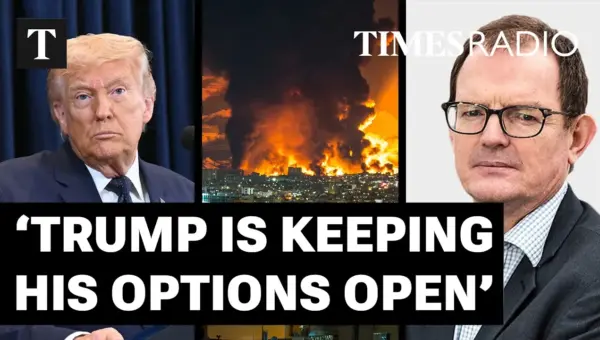
Trump Hints at Iran Conflict Resolution Amidst Shifting Global Tensions
President Trump suggested the U.S. has few targets left in Iran, hinting at a swift conflict resolution. However, international leaders and shifting public opinion highlight the complexities and potential for further escalation, while Iraqi Kurdistan fears spillover.
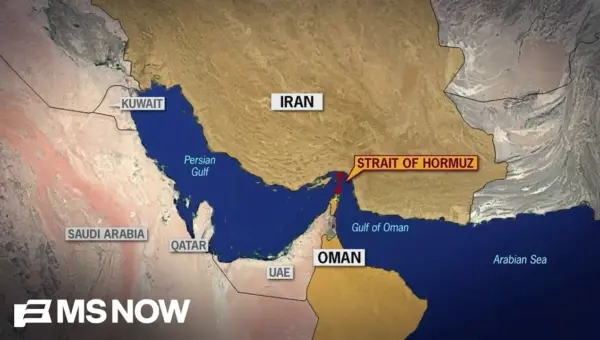
Strait of Hormuz Attacks Spark Global Economic Fears
Attacks near the Strait of Hormuz have triggered global economic concerns, prompting the largest-ever release from international oil reserves. Despite efforts to stabilize markets, disruptions to key shipping lanes and infrastructure vulnerabilities continue to drive oil price volatility.


US Bombs Ignite Iran: A New Escalation in the Shadow War
Massive explosions rock Iran following U.S. and Israeli strikes, while Iranian attacks target oil facilities in Oman. CentCom details a campaign to neutralize Iran's naval power, warning civilians of potential strikes on port facilities.