Iran Conflict Sparks Oil Price Surge, Middle East Tensions Rise
Escalating conflict in the Middle East has triggered a significant surge in oil prices, with Brent crude jumping nearly 6% as attacks target vital energy infrastructure. Iran has issued evacuation warnings for facilities in Saudi Arabia, UAE, and Qatar, intensifying fears of further supply disruptions. The geopolitical fallout also impacts global markets and mortgage rates, while analysts debate Russia's potential gains and the long-term prospects for regional stability.

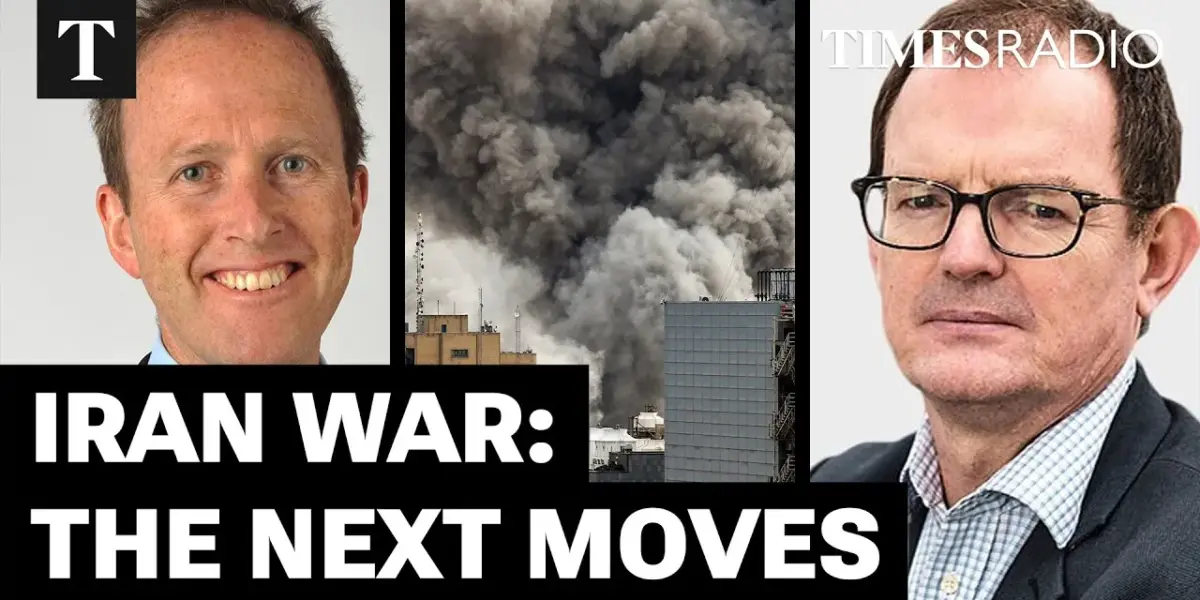
Middle East Conflict Escalates, Oil Prices Jump
Tensions in the Middle East have reached a boiling point, with escalating attacks and warnings of further targeting of oil facilities. This has sent shockwaves through global markets, causing a significant jump in oil prices. Experts suggest a complex web of motivations and potential outcomes, as the region grapples with a widening conflict.
Oil Market Reacts to Escalating Attacks
The price of Brent crude, a key global benchmark, surged by approximately 6% in a single day, climbing from just over $100 a barrel to nearly $109. This sharp increase is directly linked to the attacks targeting oil facilities and export infrastructure in Iran and surrounding regions. The conflict now directly threatens vital energy supplies, creating significant concern for global markets and consumers.
Iran Issues Evacuation Warnings Amidst Attacks
Iran has issued evacuation warnings for facilities in Saudi Arabia, the UAE, and Qatar, stating they could be targeted in the coming hours. While some attacks on oil fields in Abu Dhabi and Saudi Arabia have already occurred, this latest warning signals a more formal and significant escalation of the conflict. The targeting of these facilities represents a direct threat to global oil and gas supplies, further fueling market instability.
Geopolitical Factors and Market Impact
The conflict’s impact extends beyond oil prices, affecting investment portfolios and pension funds. While the FTSE 100 has seen a modest dip, some emerging markets have experienced more significant losses. Experts advise a long-term perspective, emphasizing risk appetite and diversification. The market’s historical ability to often ignore geopolitical turmoil is being tested by the current situation.
Russia’s Potential Gain in the Conflict
Some analysts suggest that Russia could be a significant beneficiary of the escalating Middle East conflict. The increased focus on the region may ease pressure on Russia regarding its involvement in Ukraine. Furthermore, rising global oil prices, driven by the conflict, directly benefit Russia’s oil-dependent economy. The ongoing cooperation between Iran and Russia, including the supply of drones to Ukraine and diplomatic support at the UN, suggests a strategic alignment that could be emboldened by the current geopolitical climate.
Gulf States’ Dilemma and Relations with Iran
Gulf states find themselves in a precarious position, attempting to de-escalate tensions with Iran while also facing direct attacks. These nations have spent years trying to foster better relations with Iran, hoping to be excluded from potential conflicts. However, Iran’s core ideology, focused on confronting Israel and the United States, limits the effectiveness of these outreach efforts. The presence of U.S. bases in the Gulf states and their economic ties to America create a complex geopolitical balancing act.
Future Scenarios and Potential Outcomes
Looking ahead, the possibility of a negotiated settlement remains uncertain. One scenario suggests that if the U.S. withdraws, Iran might shift its retaliation more directly towards Israel, reducing attacks on Gulf states. However, this does not guarantee the immediate resumption of normal oil tanker traffic. The conflict’s duration and Iran’s strategic goals will likely determine the future trajectory of oil supplies and regional stability. Israel, meanwhile, appears determined to continue its actions against Iran, regardless of U.S. involvement, pursuing its own long-term objectives, which may include significant damage to Iran’s infrastructure and leadership.
Mortgage Rates Rise Amidst Uncertainty
The conflict has also impacted mortgage rates, with a noticeable increase in fixed-rate offers. This rise is linked to movements in UK gilt yields, reflecting investor concerns about inflation and future interest rates. The current uncertainty makes it difficult to advise whether to lock in a rate or wait, as mortgage costs could potentially increase further if inflation escalates due to the ongoing geopolitical instability.
Prospects for Regime Change in Iran
The question of regime change in Iran is also being discussed. While the U.S. under President Trump initially suggested this as a potential outcome, it now appears less likely. Israel, however, maintains a long-term strategy focused on inflicting significant damage on Iran’s leadership and security forces, potentially creating chaos that could lead to internal upheaval. While this remains a long shot, it represents one of the few perceived pathways to altering the Iranian regime.
Source: Iran Q&A: Times Experts Answer Your Questions On War In Middle East (YouTube)

Related Articles

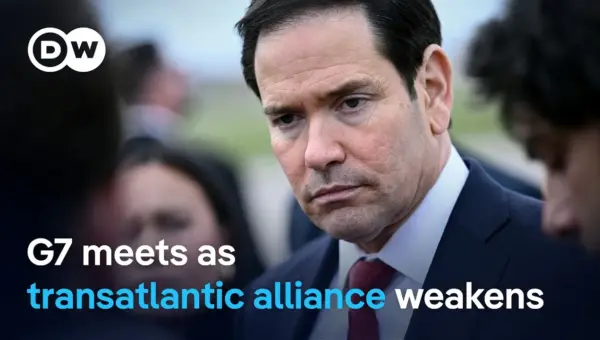
G7 Allies Clash Over Iran War Strategy, Urge Focus on Russia
G7 foreign ministers met in Paris, revealing deep divisions over the U.S. war with Iran. European allies urged the U.S. to pressure Russia, linking its actions to the conflict and fearing support for Ukraine will wane.
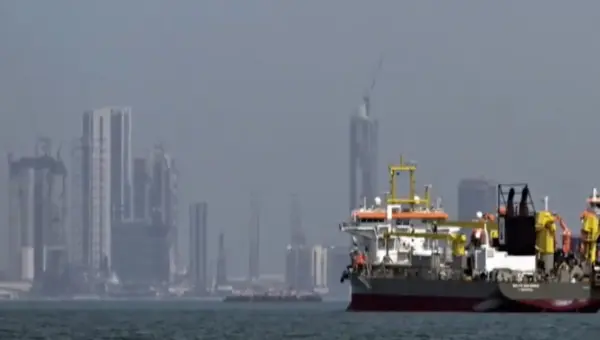
Iran Blocks China Ships, Exposing Beijing’s Weak Grip
Iran's recent decision to block Chinese ships at the Strait of Hormuz is exposing the limits of Beijing's influence in the Middle East. This action is causing delays and cancellations for Chinese manufacturers, turning a perceived geopolitical win into an economic strain.
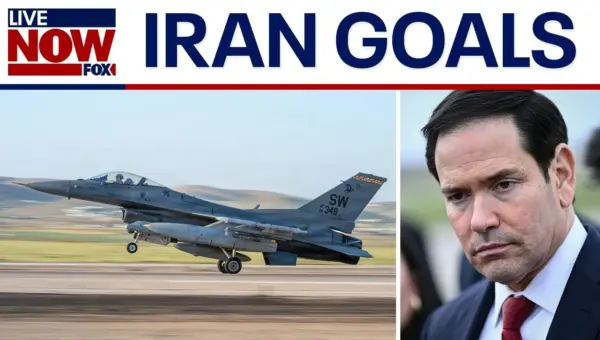
Rubio: US Can Achieve Iran War Goals Without Troops
Senator Marco Rubio outlined a strategy to counter Iran without deploying U.S. ground troops, focusing on weakening the regime and enhancing maritime security. He also criticized Cuba's economic system and expressed concerns about West Bank violence.