Iran Conflict Sparks Oil Price Hype, Analyst Says
An analyst argues that the market is overreacting to the Iran conflict, with speculation driving oil prices higher than actual supply issues warrant. He believes prices will fall as the situation resolves and highlights US energy independence. The conflict also poses economic risks for China.


Oil Market Overreacts to Iran Tensions
President Trump’s strong words regarding Iran and the Strait of Hormuz have caused a stir in the global oil market. However, one political analyst suggests the market is overreacting. Rod Martin, founder and CEO of Martin Capital, believes the current price increases are driven more by speculation than by actual supply problems.
US Strategy and European Reliance
Martin explains that President Trump’s approach is part of his negotiation strategy. He points out that the United States actually benefits more from a closed Strait of Hormuz than it might admit. This is because European nations have shown they cannot guarantee their own oil supplies without US military help. This highlights America’s crucial role in NATO and gives the US leverage to shift the business of maritime insurance from London to Washington.
If the Strait of Hormuz remains closed for a while, Martin believes the world won’t end. From his perspective, this situation gives the US an opportunity to stop Iran from mining the strait and threatening trade. Ultimately, he hopes this could lead to the fall of the Iranian regime.
Oil Prices and Market Speculation
The current rise in oil prices is seen as an overreaction, according to Martin. He believes prices will come back down. The Strait of Hormuz is more closed due to insurance issues than actual military blockades. Once these issues are resolved and the Strait is cleared, prices should fall significantly.
Martin notes that current oil prices are actually lower than they were at the start of the Ukraine war. He believes that once the current conflict with Iran ends successfully, oil will flow freely again. This would bring about 20% of the world’s crude oil back onto the market. Furthermore, a peaceful Iran or one that makes peace with the US could export its oil without sanctions. This would make Iranian oil available to the global market at a normal price, helping Iran’s economy recover.
For decades, oil prices have included a risk premium because of the possibility that Iran might close the Strait. Martin argues that this risk is now playing out but is about to end. When it does, oil prices are expected to drop much lower than they are now.
Impact on the US and Global Reserves
The direct impact on the United States from this situation is minimal. Martin reiterates that the market is overreacting. Iranian oil that has already been shipped is largely under US control and can be used to boost global supply. The US and its allies are also releasing 400 million barrels from their strategic petroleum reserves, which could cover about a month’s supply.
Additionally, Russian oil exports are being temporarily allowed back into the market for specific purposes. This offers a glimpse of what could happen if peace is achieved. It also reduces the immediate shock to global supply. Martin is confident that the market is overreacting and that there are opportunities to profit from this situation.
Strategic Petroleum Reserves: A Necessary Tool
The release from the Strategic Petroleum Reserve (SPR) is justified, according to Martin. These reserves were created in 1975 precisely to prevent oil shocks like the one experienced in 1973. The US is now largely energy self-sufficient. It no longer faces the same level of dependence on Middle Eastern oil as it did in the past.
Except for California, which has made oil production difficult, most of the US relies on imports from North America. This means that even if the situation in the Middle East continues, the rest of the country is not deeply affected. Martin suggests that if this conflict were to drag on, the global oil market would start to split. This would create a significant difference between oil prices in different regions. However, he believes this scenario is unlikely because the war is expected to end soon.
Triggers for Falling Oil Prices
The biggest trigger for oil prices to fall is simply the end of the conflict. However, even before that, Martin expects significant progress in clearing mines from the Strait of Hormuz. While Iran has limited capacity to lay mines, the US has the ability to clear them and ensure safe passage for commerce. The remaining threat from missiles and drones can be managed by the US and its allies.
Martin gives a shout-out to Estonia, one of the first NATO allies to offer help with mine-sweeping. He also notes that other European leaders are now coming around to support the US efforts.
China’s Energy Supply and Economic Outlook
China’s energy supply is impacted, but not primarily by supply shocks. The real issue for China is the loss of heavily discounted oil from countries like Venezuela, Iran, and Russia. This discounted oil accounts for over 40% of China’s imports and provides a significant economic advantage.
As sanctions on Iran are addressed and a potential peace in Ukraine unfolds, Russia’s oil will also be subject to market prices. This will remove China’s unfair trade advantage. Martin believes this shift could have a severe impact on China’s economy, potentially pushing it towards a recession. A recession is defined as sustained growth below 1%.
Martin points to demographic challenges in China, with a declining birth rate and a rapidly aging population. This creates a strain on the working-age population and puts pressure on investments, particularly in real estate. He estimates that China’s economy could face significant problems within the next decade due to these factors, with the oil market shifts potentially accelerating this decline.
Why This Matters
This analysis suggests that geopolitical events, like the tensions surrounding Iran, can cause significant but often temporary fluctuations in the oil market. The market’s reaction is heavily influenced by speculation and fear, rather than just immediate supply disruptions. The situation highlights the United States’ key role in global energy security and its ability to influence international markets.
For consumers, this means that while prices might spike due to conflict, they are likely to stabilize or even fall once the immediate threat passes and strategic measures are employed. It also points to a potential shift in global energy dynamics, with countries like China facing economic challenges as they lose access to discounted energy sources.
Looking Ahead
The future outlook suggests that the US is increasingly energy independent, making it less vulnerable to Middle Eastern oil disruptions. The conflict around the Strait of Hormuz, while creating short-term market volatility, is unlikely to cause a sustained global oil crisis for the US. However, for import-dependent nations like China, the changing energy landscape presents significant economic risks. The long-term implications of shifting oil supplies and pricing could reshape global trade and geopolitical alliances.
Historical Context
The use of strategic petroleum reserves dates back to the 1970s oil crises, when oil-producing nations used oil as a political weapon. The establishment of the US SPR was a direct response to these events, aiming to cushion the economy from such shocks. The current situation, while involving different geopolitical players and motivations, echoes the past concerns about the stability of global oil supplies and the impact of regional conflicts on international markets.
Source: Oil Market Overreacting to the War on Iran: Analyst (YouTube)

Related Articles


Ukraine Strikes Russian Oil Refinery, Eyes Iran Threat
Ukrainian forces struck a key Russian oil refinery, disrupting Moscow's war capabilities. Meanwhile, Finland's president urged continued U.S. support for Ukraine, as Kyiv shares its air defense expertise globally amid growing geopolitical complexities involving Iran and potential sanctions against Hungary.

Iran’s Missile Threat Reduced by 90%, Analyst Says
An analyst reports that Operation Epic Fury has degraded Iran's missile launchers by 90%, despite challenges in targeting hidden sites. The conflict's duration and media coverage are also discussed, with implications for global energy markets and investor confidence.
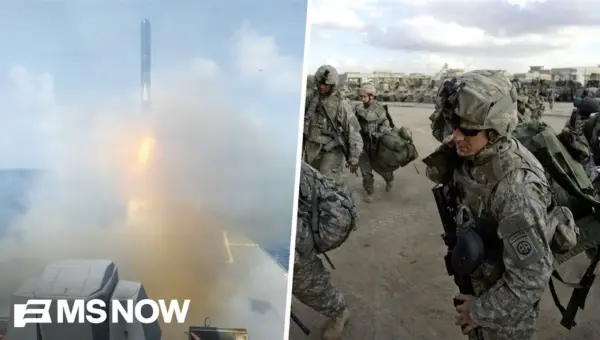
Iran Missile Strikes Injure US Troops, Raise War Concerns
Iranian missile strikes have injured U.S. service members, escalating tensions as the conflict nears one month. The attacks are raising concerns about the effectiveness of U.S. military strategy and the depletion of crucial missile stockpiles. Global oil prices have surged, impacting economies worldwide.