Iran Conflict Sparks Global Supply Chain Shockwaves
Escalating tensions in Iran are triggering a global supply shock, impacting aluminum production, petrochemical supplies, and fertilizer exports. Disruptions to key shipping routes like the Strait of Hormuz are raising concerns about rising industrial costs and potential increases in global food prices.


Global Industry Faces Disruption Amid Escalating Iran Tensions
The escalating geopolitical conflict in the Middle East, specifically involving Iran, is triggering significant disruptions across global industries, presenting a growing supply shock that is beginning to impact key sectors from manufacturing to agriculture.
Aluminium Production Cuts Signal Wider Industrial Strain
The world’s largest aluminum smelter, located in Bahrain, has already commenced reducing its output. This move is a direct consequence of increased volatility in energy markets and the disruption of critical shipping routes across the Gulf. The Strait of Hormuz, a vital global trade artery, is facing mounting pressure, directly affecting the logistics and costs associated with industrial commodities.
Petrochemicals and Plastics at Risk
Prochemical producers are issuing stern warnings about potential supply chain problems. These issues could have a cascading effect, impacting the availability and cost of plastics and other essential industrial materials that are foundational to a vast array of global manufacturing processes. Any interruption in petrochemical supplies can lead to increased production costs for finished goods, potentially affecting consumer prices.
Fertilizer Exports Threatened, Food Prices May Rise
A major concern is emerging around fertilizer exports from the Middle East. A substantial portion of the world’s fertilizer is produced in this region, heavily reliant on natural gas as a key input. Should these exports face disruption, the global agricultural sector could experience significant strain. This, in turn, poses a risk of pushing food prices higher worldwide, directly impacting global food security and household budgets.
Geopolitical Conflict Transforms into Economic Shock
What began as a localized geopolitical conflict, following U.S. strikes on Iran’s main oil export hub on Kark Island and subsequent retaliatory actions by Iran, is now evolving into a broader global supply shock. The increased tensions and attacks across the region are jeopardizing one of the world’s most critical trade routes, with far-reaching economic implications.
Market Impact and Investor Considerations
What Investors Should Know
- Commodity Price Volatility: Expect increased volatility in commodity prices, including energy, metals, and agricultural products, as supply chains are tested.
- Supply Chain Resilience: Companies with diversified supply chains and those less reliant on Middle Eastern production may fare better. Investors should scrutinize companies’ supply chain vulnerabilities.
- Inflationary Pressures: Disruptions in key industrial and agricultural inputs could contribute to broader inflationary pressures, impacting corporate margins and consumer spending.
- Sectoral Impact: Industries heavily reliant on petrochemicals, industrial metals, and fertilizers will likely face the most immediate challenges.
Short-Term Implications
In the short term, investors can anticipate heightened uncertainty and potential price spikes in affected commodities. Manufacturing sectors will need to navigate potential shortages and rising input costs. Shipping and logistics companies operating in or near the affected regions may also face operational challenges and increased insurance premiums.
Long-Term Outlook
The long-term implications depend on the duration and severity of the regional conflict and the subsequent supply chain disruptions. Companies may accelerate efforts to diversify sourcing and production locations to mitigate future risks. Governments might also reassess strategic reserves for critical materials. The increased focus on supply chain resilience could drive innovation and investment in alternative production methods and technologies.
Broader Economic Context
These disruptions occur at a time when the global economy is still managing post-pandemic recovery and existing inflationary concerns. The added pressure from the Iran conflict could exacerbate these challenges, potentially slowing economic growth and complicating monetary policy decisions by central banks worldwide.
“What started as a geopolitical conflict is now beginning to look like a much broader global supply shock affecting multiple industries.”
For a comprehensive analysis of these unfolding events and their impact on the global economy, readers are encouraged to seek out detailed market intelligence and expert commentary.
Source: Global Shutdown (YouTube)

Related Articles

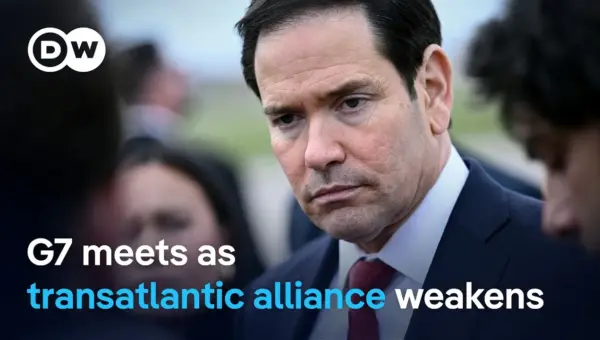
G7 Allies Clash Over Iran War Strategy, Urge Focus on Russia
G7 foreign ministers met in Paris, revealing deep divisions over the U.S. war with Iran. European allies urged the U.S. to pressure Russia, linking its actions to the conflict and fearing support for Ukraine will wane.

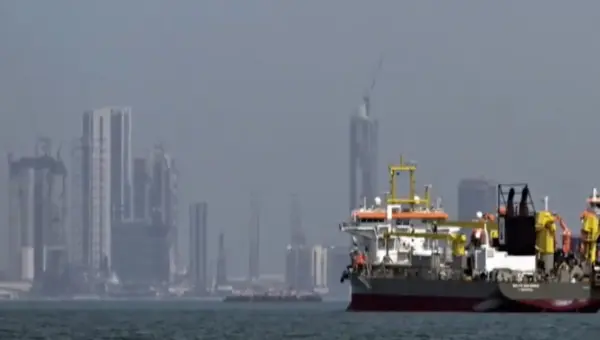
Iran Blocks China Ships, Exposing Beijing’s Weak Grip
Iran's recent decision to block Chinese ships at the Strait of Hormuz is exposing the limits of Beijing's influence in the Middle East. This action is causing delays and cancellations for Chinese manufacturers, turning a perceived geopolitical win into an economic strain.
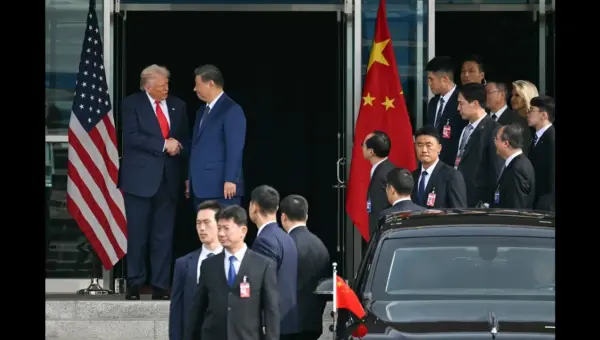
Trump’s “Walk Away” Tactic Signals Tougher Stance on China
Retired Air Force Brigadier General David Stillwell believes President Trump's strategy of being willing to walk away from negotiations puts pressure on China. This tactic, combined with US global actions and strengthened alliances, signals a more assertive American foreign policy.