Iran Conflict Sparks Global Price Hikes for Food and Plastics
A conflict involving Iran is causing global price increases for essential goods like food and plastics. Disruptions in the Persian Gulf are driving up fertilizer costs for farmers and impacting the production of everyday items. Experts warn of potential food shortages and significant economic repercussions worldwide.

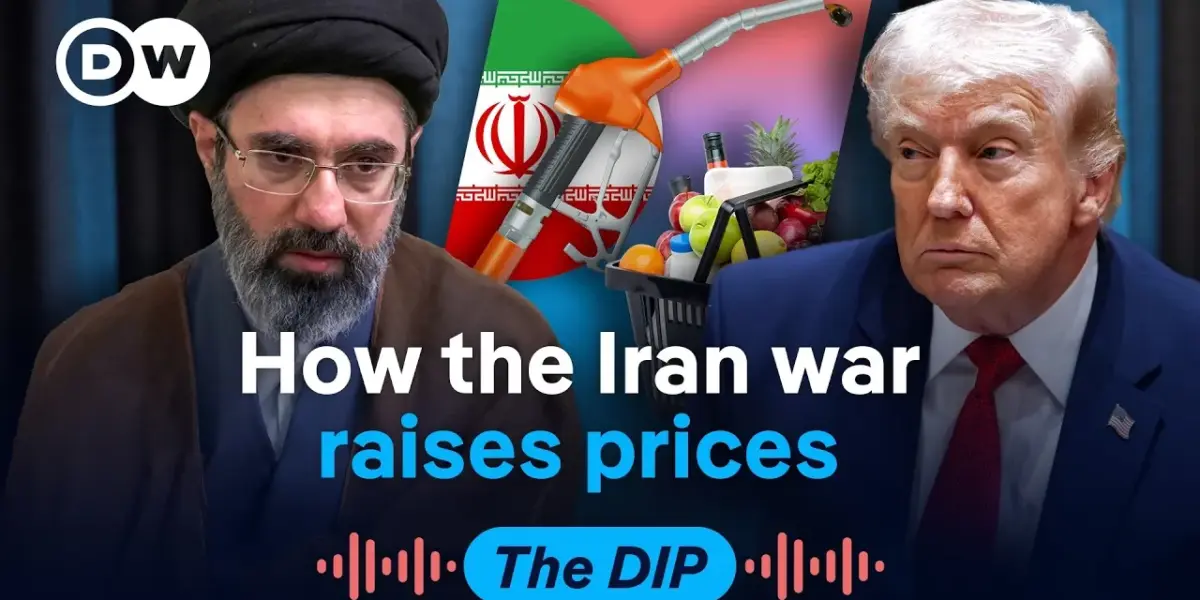
Global Supply Chains Under Strain as Iran Conflict Escalates
A growing conflict involving the United States and Israel against Iran is sending shockwaves through the global economy, threatening to drive up the cost of essential goods like food and plastics. The disruption, centered in the vital Persian Gulf region, is impacting everything from farmers’ fertilizer costs to the price of everyday items like packaging and clothing.
Food Security at Risk Worldwide
The conflict is expected to have a significant negative impact on global food security. Experts warn that consumers in the United States, Europe, and elsewhere will likely see higher food prices. In a worst-case scenario, food could become less available globally.
“This conflict is going to have a very damaging effect on global food security,” one analyst stated. “Whether you’re in the United States, Europe or elsewhere, you will see global food prices rise and potentially in a worst-case scenario, global food become more scarce.”
The Middle East, particularly Iran and Iraq, is seen as the most vulnerable region to a potential food crisis from a humanitarian standpoint. The United States relies heavily on imported fertilizer, and finding quick alternatives is proving difficult. This puts American farmers, especially in the Midwest, in a challenging position as they prepare for planting season.
Fertilizer Prices Soar Due to Oil and Gas Disruptions
The war has directly driven up the price of oil. This increase doesn’t just mean higher gasoline costs at the pump. It also leads to rising prices for crucial chemicals, including fertilizer, which is essential for agriculture.
“That’s right. It means the price of vital chemicals rises, too,” an expert explained. “Things like fertilizer, absolutely essential. And when it gets more expensive, your food bills rise.”
Urea and ammonia, key components in fertilizer production, have seen significant price jumps. Urea prices are up 50%, and ammonia prices have risen 20% since late February. The U.S. imports about half of its urea, making it particularly susceptible to these price increases.
Diesel fuel, a major cost for agricultural producers, is also rising. These combined factors point to a substantial increase in the cost of producing food.
Beyond Food: Plastics and Manufacturing Feel the Pinch
The impact extends far beyond the agricultural sector. Chemicals derived from oil are fundamental building blocks for numerous industries. These include construction, automobiles, medicine, clothing, technology, and packaging.
The Persian Gulf is a critical hub for global energy production. About 20% of the world’s oil and liquefied natural gas (LNG) production passes through the Strait of Hormuz. Disruptions in this region have major price implications, especially since demand for these products is often inelastic – meaning people will still buy them even if prices rise.
Oil is not only used for fuels like gasoline and jet fuel but also for petrochemicals. These petrochemicals are used to make everyday items such as jeans, food packaging, and plastics. When Middle Eastern supply chains are disrupted, it affects the availability of these essential raw materials for petrochemical plants.
Furthermore, Middle Eastern countries are significant providers of electricity, often generated using natural gas. Nations like Japan, Taiwan, and South Korea rely heavily on LNG imports from the Persian Gulf for their power. If these supplies are cut, it could lead to electricity shortages, impacting manufacturing, including petrochemical production, in East Asia.
“If petrochemical prices rise sharply or if you see physical shortages, that will impact a wide array of products,” an analyst noted.
US Farmers Face Immediate Challenges
In the United States, the Midwest, often called the “corn belt,” is feeling the immediate effects. States like Iowa, Illinois, Indiana, and Missouri are entering their planting season and require fertilizer now.
Corn, in particular, is a nitrogen-intensive crop. Unlike China, the U.S. does not typically stockpile fertilizer, meaning it’s bought and used as needed. Efforts to source fertilizer from alternative locations, such as Venezuela, face their own infrastructure and economic challenges.
Geopolitical Shifts and Vulnerable Nations
The conflict could also lead to significant geopolitical shifts. Russia, the world’s largest fertilizer exporter, and its close partner Belarus, a major player in potash markets, could see their influence grow if the crisis persists. China, with its own stockpiles, may also gain leverage.
“This crisis also could not come at a worse time because this is in the planting season,” an expert observed. “If farmers don’t have access to these agricultural inputs, their crop yields could be reduced over time. This could have a very significant impact on food prices downstream.”
Studies suggest that over 45 million people could face increasing food scarcity. This situation disproportionately affects lower-income individuals, who must spend a larger portion of their income on food. The crisis could worsen global poverty.
The Gulf Cooperation Council (GCC) countries, while facing domestic challenges and potential impacts on tourism and real estate, are likely to have sufficient food inventories due to their wealth. However, nations like Iraq and Iran are in a more precarious position. Iran’s agricultural sector relies heavily on water, which in turn depends on electricity. Disruptions to its power grid could lead to both water and food crises.
Interconnectedness of Global Markets
The situation highlights the deep interconnectedness of global supply chains. What happens in the Persian Gulf affects the price of gasoline, packaging, clothing, and food worldwide. As consumers see rising prices, they often connect these increases to current events and governmental policies, leading to public frustration.
Looking Ahead
As the conflict continues, attention will remain focused on the stability of the Strait of Hormuz and its impact on global energy and commodity markets. The ability of nations to secure essential goods like fertilizer and petrochemicals will be crucial in mitigating price hikes and preventing widespread food shortages. The geopolitical landscape, particularly concerning major fertilizer-exporting nations, will also be closely watched.
Source: How the US-Israel war with Iran hits food, plastics and prices worldwide | The Dip Podcast (YouTube)

Related Articles


Iran War’s Wobbly Goals Threaten Global Stability
The shifting objectives of the Iran conflict and the ongoing disruption of the Strait of Hormuz pose significant global risks. Sir Bill Browder discusses how Iran's 'trump card' could lead to economic instability, while political pressures mount for leaders. Ukraine's expertise in blockade warfare offers a potential solution, but geopolitical complexities abound.


Iran Attacks Dubai Tanker, Trump Threatens Oil Facilities
Iran's drone strike on a $200 million oil tanker in Dubai marks a serious escalation, drawing threats from Donald Trump to target Iran's oil facilities. The attack raises concerns about the safety of 400 tankers in Dubai and threatens vital supply routes, potentially sending oil prices to $200 per barrel and triggering a global recession.

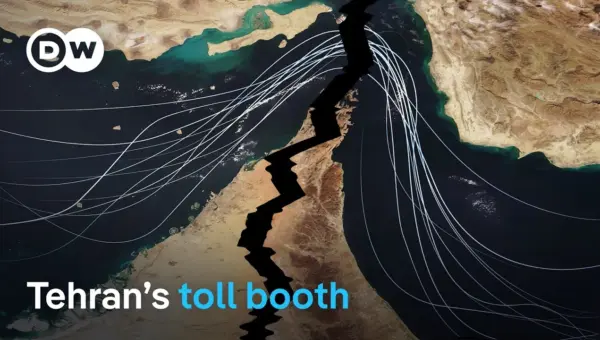
Strait of Hormuz Blockade: Force May Be Only Option
The global economy is suffering as the vital Strait of Hormuz remains blocked, with Iran reportedly charging millions for passage. Experts warn that reopening the strait, possibly by force, presents immense dangers and high costs. Current mitigation efforts fall short, leaving the world facing a difficult choice.