Iran Conflict Slashes Qatar Gas Output 17%
Escalating conflict between Iran and Israel has devastated Qatar's LNG capacity, slashing it by 17% and threatening global energy supplies for years. This, coupled with rising oil prices and disruptions to key shipping routes, is fueling inflation and increasing borrowing costs worldwide.

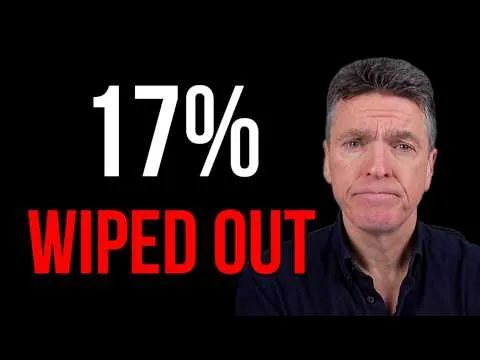
Iran Conflict Cripples Qatar’s LNG Capacity, Global Economy at Risk
Escalating tensions between Iran and Israel have led to severe damage to Qatar’s energy infrastructure. A retaliatory attack by Iran destroyed approximately 17% of Qatar’s liquefied natural gas (LNG) capacity. This significant loss could take up to five years to recover from, signaling a long-term disruption to global gas supplies. The scale of the damage represents a major blow to the region’s energy development, potentially setting it back two decades.
Massive Infrastructure Damage in Qatar
The attacks specifically targeted two of Qatar’s 14 LNG trains and one of its two gas-to-liquids facilities. This has removed about 12.8 million tons per year of LNG supply from the global market. The financial impact is substantial, with an estimated $20 billion in lost revenue and the destruction of infrastructure valued at $26 billion. Qatar Energy has declared force majeure on its LNG exports, meaning it cannot fulfill its contractual obligations due to unforeseen circumstances.
Global Companies Face Significant Exposure
Major international energy companies are directly affected by the damage. ExxonMobil holds significant stakes in two of the affected LNG trains, owning 34% in one and 30% in another. Shell is also involved in the damaged gas-to-liquids facility. The ripple effects extend beyond LNG, with condensate exports expected to drop by 24%, liquefied petroleum gas (LPG) by 13%, and helium, crucial for chip manufacturing, by 14%. Naphtha and sulfur exports are also projected to fall by 6%, indicating a broad impact on global energy and industrial supply chains.
Disruption Expected for Iran’s Exports
While full details on the damage to Iran’s energy infrastructure are still emerging, the intensity of Israeli strikes suggests significant disruption to its processing, production, and export capabilities. Iran is a key energy supplier to countries like China. Any reduction in its exports could force China to seek supplies elsewhere, driving up global demand and prices.
Bond Markets and Borrowing Costs Surge
The conflict’s fallout is also impacting global financial markets. Bond prices have fallen, leading to increased bond yields. This inverse relationship means that as bond prices drop, their yields rise. Higher bond yields translate to increased borrowing costs for governments, higher mortgage rates for consumers, and more expensive debt for corporations. Nations with existing high debt burdens, such as the United States and the United Kingdom, are particularly vulnerable to these rising costs.
Inflationary Pressures Mount, Central Banks Face Dilemma
Rising energy prices are directly contributing to higher inflation worldwide. This creates a challenging situation for central banks. Instead of lowering interest rates in 2026 as previously anticipated, they might be forced to maintain higher rates for longer, or even increase them, to combat inflation. For example, Australia recently raised rates. Higher interest rates reduce consumer and business spending by making borrowing more expensive, which ultimately slows economic growth.
Oil Prices Soar, Europe Faces Energy Crisis
Oil prices have surged dramatically, reaching around $105 per barrel compared to about $60 at the start of the year, an increase of over 70%. This sustained price hike, viewed as a multi-year energy shock rather than a short-term issue, is particularly concerning for Europe. Many European nations shifted from coal to natural gas for electricity generation. Consequently, they now face prolonged periods of higher electricity, heating, and industrial costs.
Strait of Hormuz Remains a Critical Chokepoint
The Strait of Hormuz, through which about 20% of the world’s oil and gas passes daily, remains a critical concern. Despite international efforts, including a joint statement from European nations, Japan, and Canada calling for its reopening and protection, the threat to shipping persists. While naval patrols may offer some theoretical protection, the risk from missiles, drones, and mines makes transit extremely dangerous for tankers. The fear of even a single successful attack on a vessel and its crew means that oil and gas prices are likely to remain elevated as long as the strait’s security is compromised.
Geopolitical Stalemate and Long-Term Economic Risks
The conflict shows no signs of a swift resolution. Reports suggest Israel is pursuing regime change in Iran, a goal the current Iranian leadership strongly opposes. This fundamental disagreement creates a difficult stalemate, with neither side having a clear incentive to de-escalate. The protracted nature of the conflict, reminiscent of the prolonged war in Ukraine, poses one of the most significant risks to the global economy seen since 2008. Without a resolution, the negative impacts on economic growth, inflation, and financial markets are expected to worsen into 2026.
Source: 17% Wiped Out (YouTube)

Related Articles

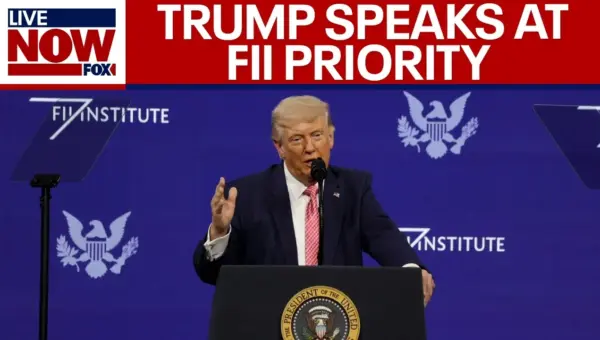
Trump Boasts Military Might, Slams Iran at Investment Summit
Former President Donald Trump spoke at the FII Priority Summit, detailing his administration's assertive stance against Iran and emphasizing the strength of the U.S. military. He claimed credit for dismantling Iran's military capabilities and preventing its nuclear ambitions. Trump also criticized NATO while praising Middle Eastern allies and touched on domestic issues like border security.
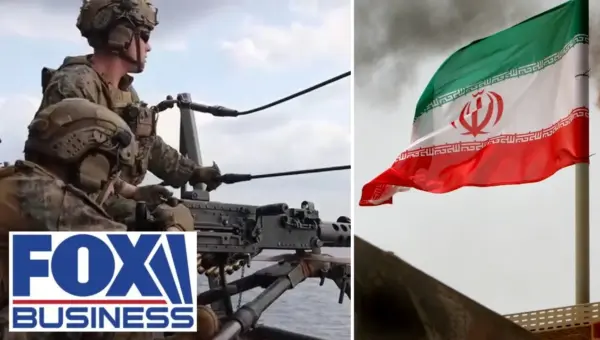
Pentagon Weighs 10,000 Troops for Iran Showdown
The Pentagon is reportedly weighing a significant troop increase of 10,000 soldiers to the Middle East, potentially escalating tensions with Iran. This move comes amid reports of U.S. precision strikes and interceptions of Iranian missiles by allies, raising concerns about regional stability and global oil supplies.

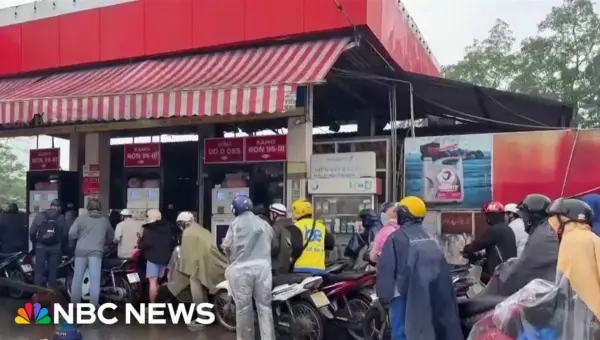
Asia Faces Oil Shortages as Middle East War Disrupts Global Energy
A war in the Middle East has triggered widespread oil and gas shortages across Asia, leading to protests, rationing, and long fuel lines. The crisis, described as the largest supply disruption in history, is forcing governments to take drastic measures and is creating economic strain throughout the continent. Analysts are closely watching the Strait of Hormuz and diplomatic efforts to ease the energy emergency.