Iran Conflict Shifts to Political Arena, Threatening Trump’s Base
The conflict with Iran has shifted from a military operation to a political challenge, potentially defining President Trump's legacy. Concerns over a potential military draft are resurfacing, threatening to alienate young voters crucial to Trump's base. While the military campaign has seen significant successes, the political ramifications are becoming increasingly complex.

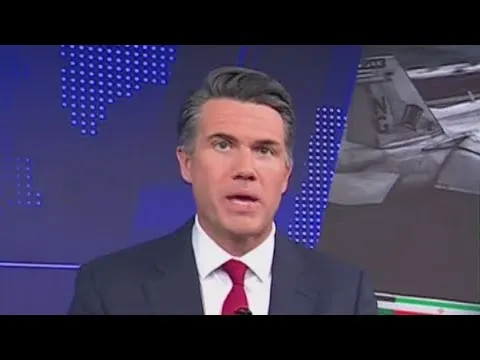
Iran Conflict Becomes Political Battleground, Imperiling Trump’s Strategy
The ongoing conflict involving Iran has moved beyond military actions and is now a critical political challenge. For President Trump, his time in office, and perhaps even his lasting impact, may be significantly shaped by how this crisis unfolds. The question is no longer just about military options, but about political strategy and public perception.
Military Buildup Raises Draft Concerns
Over the weekend, a significant military development occurred: the 82nd Airborne Division arrived in the Middle East. This deployment provides the President with a potential option for a ground invasion of Iran. However, this move has sparked worry, particularly about the possibility of a military draft. A congressman, Tim Burchett, a voice within the Republican party, stated that sending troops into Iran would be a step too far for many. He believes neither Republicans nor Democrats would support a ground war there.
The fear of a draft is palpable for many Americans. The word itself brings back memories of past conflicts, student protests, and widespread public unease with government decisions. This historical context makes the current conversation about a draft particularly sensitive. Some mothers are concerned their sons and daughters could be sent into conflict, especially if the war expands beyond the current air campaign.
Trump’s Base Faces a Divided Future
The conversation around a potential draft poses a serious problem for President Trump. His electoral success, particularly in 2016, relied heavily on winning over young male voters, including many college students. The idea of a draft is deeply unpopular with this group, and it could alienate them. These are the same voters who form a significant part of the Republican party’s base, especially the isolationist wing often associated with figures like J.D. Vance.
These voters, often white and not college-educated, have a direct connection to past wars. Many served in or knew people who served and died in conflicts like Iraq and Afghanistan. For a long time, it seemed like this group represented the future of the Republican party. However, the current situation suggests that older, more interventionist ideas, sometimes called neo-conservatism, are making a comeback. President Trump’s coalition brought together these different groups, including the J.D. Vance supporters and those with more traditional foreign policy views.
Economic and Military Considerations
The need for troops on the ground is linked to strategic goals, such as securing uranium. The transcript mentions a need for around 300,000 troops for such an operation. Democrats are expected to use any division within the Republican party to their advantage, just as Republicans often do when Democrats are divided. This political maneuvering could impact voter turnout, especially among younger, disillusioned voters who might otherwise be drawn to the Republican message.
Despite the political challenges, the military campaign against Iran has been presented as a remarkable success. In the last five weeks, thousands of targets have been hit, and a significant number of Iranian naval vessels have been destroyed. The air campaign has involved over 11,000 flights. What is particularly striking is Iran’s limited ability to respond effectively. This military performance has been described as an extraordinary victory in every sense.
Global Impact and Shifting Alliances
The current situation highlights a broader geopolitical trend: the re-emergence of traditional foreign policy debates within the United States. The conflict with Iran is no longer just about national security; it is deeply intertwined with domestic politics, electoral strategies, and the future direction of American foreign policy. The potential for a draft, while not officially confirmed, has touched a nerve with a generation that has largely been spared such a requirement.
Historically, debates over military service and conscription have been highly divisive in the U.S. The Vietnam War, for instance, saw widespread protests and social upheaval directly linked to the draft. The current discussions echo some of those concerns, even if the context is different. The administration’s stance of not ruling out any options, including a draft, keeps this sensitive issue alive.
Future Scenarios
One future scenario involves the conflict remaining primarily an air and naval campaign, minimizing the political fallout for Trump. Another scenario sees an escalation leading to a ground invasion, which would almost certainly intensify the debate over a draft and likely alienate key parts of Trump’s base. A third possibility is a diplomatic resolution, though the current trajectory makes this seem less likely in the short term. The political calculus for President Trump will depend heavily on how these military and political factors play out in the coming months.
Source: Conversation of draft for Americans terrible for Trump: Vittert | On Balance (YouTube)

Related Articles
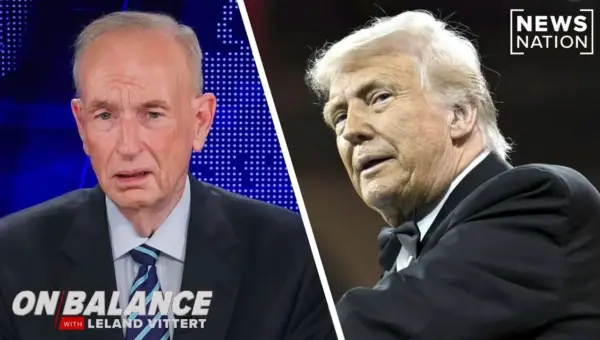
Trump Seeks Iran Deal Amid Midterm Pressure
President Trump faces pressure to secure a deal with Iran before the midterm elections. The agreement aims to halt uranium enrichment and could lower gas prices. However, Iran's strategy appears to be outlasting Trump's presidency amidst domestic political challenges and international dynamics.
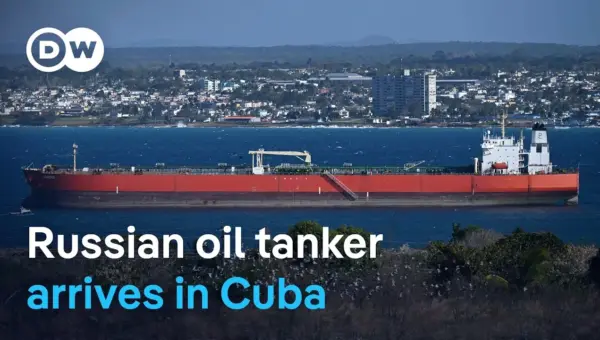
Russia Ships Oil to Cuba Amid US Blockade Pressure
A Russian oil tanker has delivered much-needed crude oil to Cuba, offering temporary relief amid a severe fuel shortage exacerbated by a US blockade. The blockade, aimed at pressuring the Cuban government for regime change, has led to rolling blackouts and disruptions in essential services, creating a humanitarian crisis. While Cuba has offered concessions, the US policy continues to face criticism for its impact on civilians and for potentially benefiting Russia.

Oil Shocks Threaten U.S. Economy, Recession Fears Grow
Growing fears of a U.S. recession are fueled by oil price spikes linked to the conflict in Iran. While higher oil costs hurt consumers and can increase inflation, the U.S. also benefits as an oil exporter. The Federal Reserve is watching closely, aiming to avoid policy missteps.