Iran Conflict Shifts Focus From US Economy
The conflict involving Iran is significantly influencing U.S. politics, forcing a debate on whether economic issues or national security will determine voter choice in the upcoming midterms. Both Democrats and Republicans are strategizing how to address voter concerns about the economy, debt, and security.

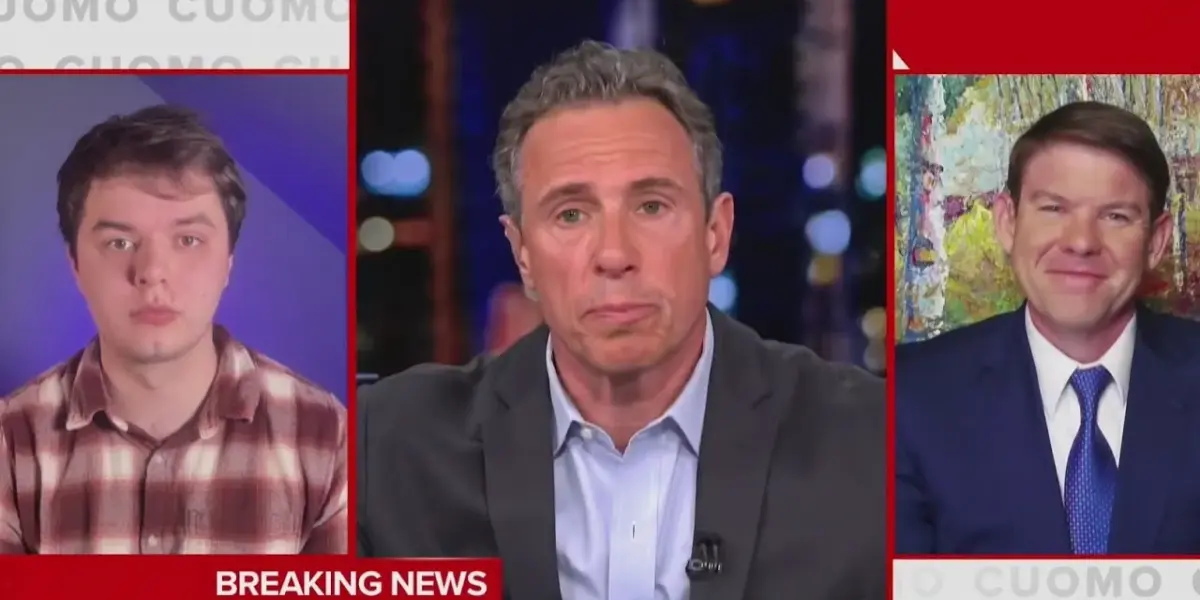
Iran Conflict Dominates US Political Debate
The ongoing conflict involving Iran has become a central point in the United States’ political discussion, especially as the country heads towards midterm elections. This situation is forcing politicians to consider how foreign policy events affect domestic issues like the economy and national security. The debate highlights differing views on how to address these challenges and win voter support.
Economic Concerns Remain Key for Voters
One perspective suggests that the economy is the most important issue for American voters. This view holds that the election outcome will depend on which party or candidate can best promise to put “America First” by fixing economic problems. Supporters of this idea believe that President Biden needs to quickly lower gas prices and focus on economic recovery to regain voter trust. They point to the fact that Democrats have already stated their intentions to pursue investigations or impeachments if they win, showing a clear agenda.
This line of thinking also suggests that the stock market has already recovered significantly from initial losses related to the conflict. It argues that lower gas prices are also on the horizon due to falling oil costs. National security is seen as the second most important issue for Americans. The belief is that the President can succeed by addressing both economic and security concerns simultaneously.
Democrats See Opportunity in Crisis
Another viewpoint argues that the current situation presents a major opportunity for Democrats. This perspective criticizes the focus on simply opposing former President Donald Trump without offering a clear, positive vision for the country. Instead, it proposes that Democrats should run on a strong anti-corruption platform.
A key part of this proposed strategy involves closing tax loopholes that benefit billionaires. The argument is that this could generate significant extra revenue. This money, it is suggested, could then be used to reduce the national debt and deficit. The high cost of interest on the national debt, which is currently around $1 trillion per year, is highlighted as a major concern.
Debate Over National Debt and Spending
The discussion on national debt and government spending has led to sharp disagreements. One side questions the accuracy of spending figures presented, particularly when used to criticize specific political figures like Donald Trump. The argument is made that Trump’s spending was not solely responsible for the national debt, and that other presidents, like Barack Obama, also contributed significantly.
Conversely, it is argued that Trump was one of the biggest spenders in history. The pandemic is cited as a major reason for increased spending under both Trump and President Biden. This highlights the complex factors contributing to the national debt, making it difficult to assign blame to a single administration or event.
Future Scenarios and Political Strategy
Looking ahead, both sides agree that the economy and affordability will be critical issues. The strategy for Democrats appears to involve highlighting economic recovery efforts and national security while also proposing policies to address wealth inequality and government debt. The success of this approach may depend on their ability to connect these issues to the daily lives of voters.
Republicans, on the other hand, may focus on the idea that the current administration is not adequately addressing economic concerns. They might also emphasize national security issues related to the conflict in Iran and other foreign policy challenges. The ability of either party to effectively communicate their plans and convince voters of their competence will be crucial in the upcoming elections.
Global Impact
The way the United States handles its domestic politics in light of international events like the conflict in Iran has global implications. The country’s economic stability and foreign policy decisions affect global markets and international relations. A divided or distracted United States can have ripple effects worldwide, influencing trade, security, and diplomatic efforts. The focus on domestic issues, while understandable, means that international crises are often viewed through the lens of their impact on American voters and election outcomes, potentially shaping global responses.
Source: Adam Mockler, Ben Ferguson debate Iran impact on US politics | CUOMO (YouTube)

Related Articles


Lawmakers Probe Geopolitical Betting Platform for Insider Trading
Lawmakers are demanding an investigation into the prediction market platform Polymarket due to anonymous bets placed on major geopolitical events hours before they happened. Concerns are mounting over potential insider trading and national security risks, as the platform's use of cryptocurrency makes user identities difficult to trace.

US Streamlines Draft List Amid Global Uncertainty
The U.S. is automatically adding men aged 18-25 to the Selective Service list, a potential draft registry. This administrative change, approved by Congress, aims to create a more complete list without requiring manual sign-ups. It does not, however, reinstate the military draft, which would require new laws and presidential approval.


Teachers Face Crisis Amid Shifting Education Goals
America's teachers are facing a crisis, struggling with declining student engagement and increasing politicization. Author James Patterson's new book highlights these challenges, emphasizing the need to let teachers teach and support their vital role in shaping the nation's future.