Iran Conflict: ‘Rescue Mission’ Ends, Future Rests With People
The conflict in Iran is being reframed as a 'rescue mission' to dismantle repressive machinery, with the future now resting with the Iranian people. While military capabilities are degraded, questions linger about the true end of hostilities and the potential for regime change.

Iran Conflict: ‘Rescue Mission’ Ends, Future Rests With People
In the wake of recent military actions in Iran, a complex narrative is emerging, shifting from a declared war to what some describe as a “rescue mission” aimed at dismantling the apparatus of repression. While former President Donald Trump has offered fluctuating statements on the conflict’s conclusion, the focus is increasingly turning towards the Iranian people and their agency in shaping their nation’s future. The military infrastructure of Iran has been significantly degraded, leaving the country without a functioning navy, air force, anti-aircraft capabilities, radar, or telecommunications. The leadership vacuum is also noted, with the assertion that “it’s all gone.” This presents a critical juncture, with the potential to be viewed as a “tremendous success” or the beginning of a more prolonged process.
Ambiguous Endpoints and Shifting Strategies
The definition of when the conflict is truly over remains a subject of debate. According to statements attributed to Donald Trump, the objective is to reach a point where Iran “will no longer have any capacity whatsoever for a very long period of time of developing weaponry that could be used against the United States, Israel or any of our allies.” This perspective acknowledges the presence of “great allies in the Middle East” who were compelled to engage after being targeted.
Diaspora Voices and Amplified Concerns
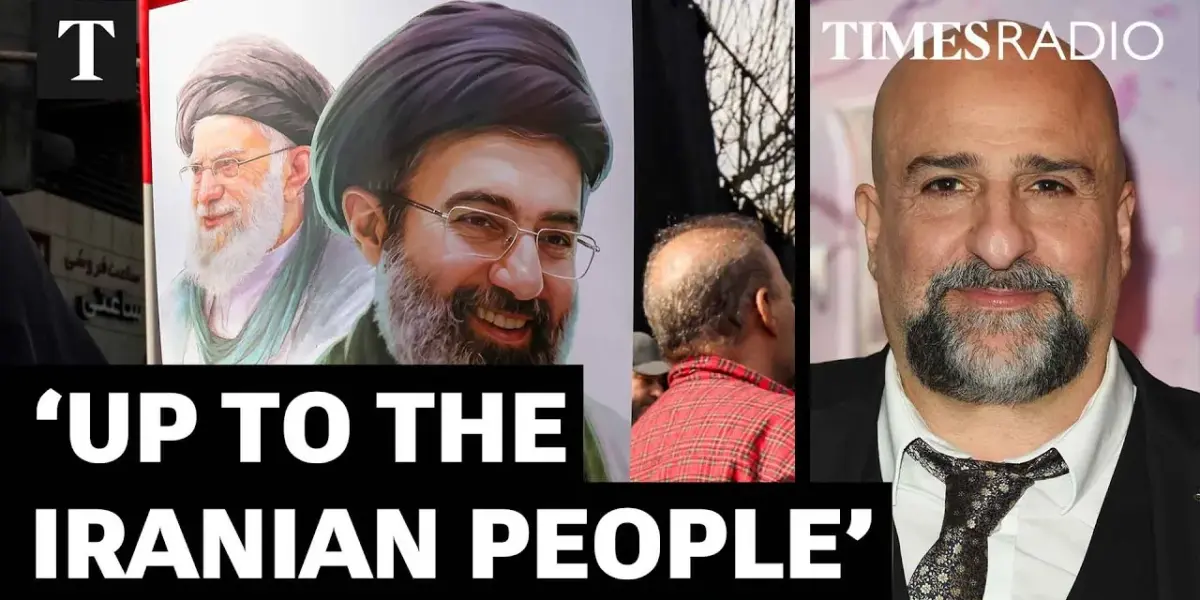
Omid Djalili, a writer and actor of Iranian descent, has become a vocal advocate for the self-determination of the Iranian people. Speaking on the program, Djalili highlighted the challenges faced by the Iranian diaspora in representing the voices of those within Iran, particularly due to internet restrictions and low connectivity. He explained that the diaspora often acts as a conduit, amplifying the sentiments of the Iranian populace. The prevailing sentiment, according to Djalili, is that “this job is not done until this regime go.” He characterized the recent actions as a “rescue mission” to remove the machinery of repression.
“The main feeling here is This job is not done until this regime go. It was always meant to be some kind of rescue mission.”
Challenging Narratives and Historical Parallels
Djalili addressed the skepticism and criticism from some Western circles who downplay the experiences of Iranians. He recounted an instance where a British woman allegedly told Iranians at a demonstration that “Everything you hear is lies.” Djalili emphasized that Iranians have actively sought change, recalling past protests where “They killed 40,000 of us.” He asserted that the responsibility for any further casualties lies with the “Islamic Republic of Iran,” not those seeking liberation.
Furthermore, Djalili raised critical questions regarding specific incidents, such as the bombing of a school that resulted in the deaths of young girls. He questioned the proximity of the school to a military base and cited concerns about media reports, like those from BBC Verify, which he suggested relied on sources provided by the Iranian regime. Djalili pointed to historical precedents, including the Cinema Rex fire and the downing of Ukrainian flight PS752, where the regime initially blamed external actors before evidence emerged implicating them.
The Fog of War and Unanswered Questions
Acknowledging the “fog of war,” Djalili stressed the importance of addressing the questions being raised by the people of Iran. He stated, “We have to accept that. Absolutely. And and and by the way, there’s nobody more anti-war than me. uh this is the the fog of war. We don’t know.” He recounted the Cinema Rex incident, where an arson attack killed 300 people, initially blamed on the Shah, but later attributed to Islamic extremists. He also cited the downing of Ukrainian flight PS752 by IRGC missiles, where the regime initially blamed the U.S. before evidence emerged.
Concerns Over Regime Perpetuation and Western Complicity
A significant concern articulated by Djalili is the potential for the current actions to merely replace one version of the regime with another. He expressed worry over statements suggesting the war is already over, emphasizing that if the people of Iran desire regime change, the ultimate decision rests with them. Djalili found a degree of “cleverness” in the approach, as it avoids the perception of Western imperialism, a sentiment he understands given Iran’s history. However, he questioned the West’s inaction regarding the assets of the current Iranian leadership, drawing a parallel to the seizure of assets from Russian oligarchs following the Ukraine war.
“We always saw this less of a war, more of a a rescue mission to I suppose take out the machinery of repression that killed so many uh Iranian people. So what now that that’s done, it’s really up to the Iranian people.”
The Plight of Iranian Women and Athletes
The conversation also touched upon the precarious situation of the Iranian women’s football team. Djalili shared his distress over reports of team members being forcibly put onto a bus, with one player appearing to seek help from an Australian policeman who seemed unable to intervene. He expressed deep concern for their safety, fearing dire consequences should they return to Iran. Djalili noted that similar pressures have been applied to the men’s team, referencing their reluctance to sing the national anthem at the 2022 World Cup, which led to forced participation.
The visibility of these events is seen as crucial, with Djalili expressing gratitude that the stories are gaining traction. The fear for the athletes’ well-being is paramount, as he stated, “if they go back, there is no question something terrible is going to happen to them.”
Looking Ahead
As the geopolitical landscape surrounding Iran continues to evolve, the focus remains on the agency of the Iranian people. The dismantling of the regime’s repressive machinery has created an opening, but the path forward is uncertain. The international community and the Iranian diaspora will be watching closely to see how the internal dynamics unfold and whether the international response aligns with the aspirations of the Iranian populace for genuine self-determination, free from external interference and the shadow of their current leadership.
Source: Iran’: Less Of A War, More Of A Rescue Mission’ | Omid Djalili (YouTube)

Related Articles
Trump Claims Iran’s Military Power Severely Crippled
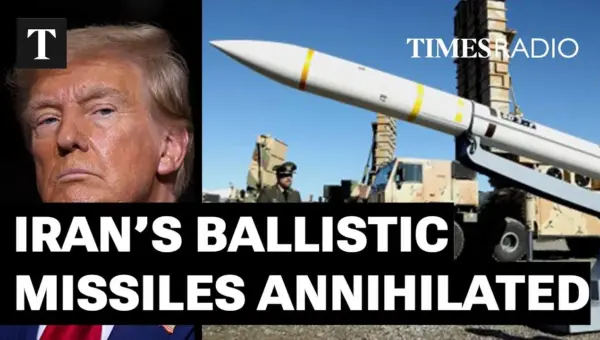
President Donald Trump claims the US and Israel have significantly degraded Iran's military capabilities, potentially "wiping out" its ability to develop long-range weaponry. However, on-the-ground reports from the region highlight the ongoing, deadly reality of the conflict for civilians. The ultimate success metrics and geopolitical implications remain uncertain.


US Unleashes Fury: Iran Faces Devastating Strikes
In a significant escalation, the United States and its allies have launched massive strikes against Iran, targeting key military assets and infrastructure. President Trump has issued stark warnings regarding the Strait of Hormuz, threatening severe retaliation if oil flow is disrupted.

Global Allies Ditch Trump’s War, Leaving Him Isolated
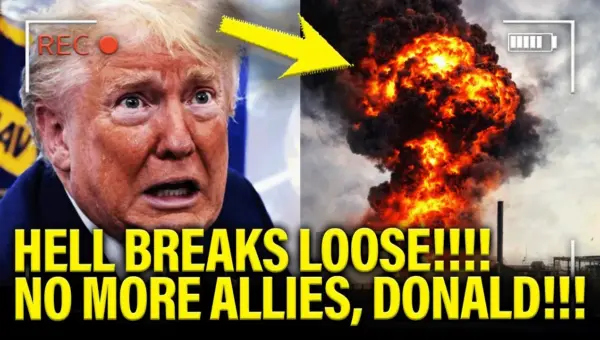
Key international partners, including Middle Eastern and European nations, are refusing to join Donald Trump's offensive operations. This widespread reluctance signals a significant erosion of support for the conflict and highlights a growing rift in U.S. foreign policy.