Iran Conflict: People Power, Not US Troops, Will Topple Regime
An expert argues that the true path to regime change in Iran lies with its own people, not U.S. military might. The current conflict aims to empower internal dissent by targeting the regime's repressive apparatus and enabling communication. This strategy relies on Iranian citizens as the 'boots on the ground' for lasting change.

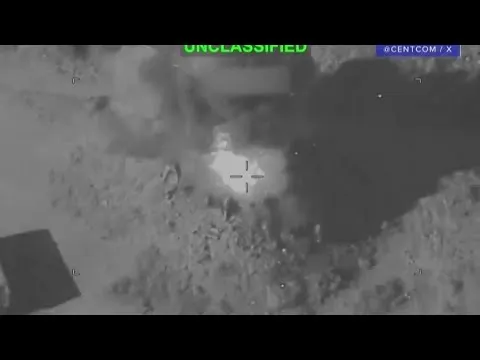
Iran Conflict: People Power, Not US Troops, Will Topple Regime
The United States is stepping up its military presence around Iran, flying B-52 bombers over Iranian airspace for the first time since the conflict began a month ago. Over 11,000 targets have already been hit. President Trump is set to address the nation tonight, with speculation that he might announce an end to the current military operations.
Regime Change: The Ultimate Goal
Andrew Khalil, Policy Director for the National Union for Democracy in Iran, believes the true objective should be regime change in Iran. He argues that this is the most important outcome, even if it means higher prices and a shaky stock market in the short term. The current military buildup, with 50,000 U.S. troops in the region, is seen as providing options for the President.
The Iranian People: The True Force for Change
Khalil strongly emphasizes that the only real chance for successful regime change lies with the Iranian people themselves. He points to the uprisings in January, where millions took to the streets, showing their willingness to fight against the current government. The military campaign, in his view, is meant to create an opportunity for these internal protests to succeed. While U.S. ground troops might secure coastal areas or islands, taking control of cities like Tehran would require the Iranian people to lead the charge.
Intensifying the Pressure
Looking ahead, Khalil suggests the next two to three weeks of potential strikes should focus on Phase 2 of the conflict. This would involve targeting the regime’s tools of repression. Key actions would include hitting the infrastructure of the Islamic Revolutionary Guard Corps (IRGC), disrupting their command and control, and undermining their intelligence and surveillance networks. He also calls for resuming efforts to target the political and military leaders of the regime. Crucially, enabling internet access for the Iranian people is seen as vital for their ability to organize and communicate.
Media’s Narrow Focus
Khalil notes that Western media coverage often simplifies the situation, presenting it as a choice between being for or against the war. He highlights the ongoing brutality of the Iranian regime, including high levels of executions, the violent suppression of protesters in January (even children), and the child marriage crisis. These human rights issues are central to the conflict but can get lost in the broader military narrative.
The Regime’s Weakness
Despite the ongoing conflict, Khalil believes the Iranian regime is significantly weakened. He cites their desperate recruitment of children as young as 11 or 12 into paramilitary forces as a clear sign of their decline. Talks reportedly involving the Iranian Parliament Speaker meeting with President Trump are seen as a sign of desperation rather than strength. Khalil points out that there is no unified leadership within the country, as the IRGC and its leaders hold the real power. This fractured command structure means that even if some concessions were offered, the leaders might not have the authority to follow through. This internal disarray also helps explain the seemingly random attacks coming from the regime.
Global Impact
This situation highlights a potential shift in U.S. foreign policy, moving towards supporting internal dissent as a primary tool for geopolitical change. The emphasis on the Iranian people’s role suggests a strategy that relies less on direct military intervention for regime overthrow and more on empowering local populations. This approach, if successful, could influence future U.S. strategies in other regions facing authoritarian governments.
Historical Context
The current events echo past U.S. foreign policy debates about intervention versus supporting internal movements. While direct military action has been a common tool, the current focus on enabling popular uprisings draws parallels to earlier Cold War strategies that supported anti-communist movements within Soviet bloc countries. However, the specifics of Iran’s internal power structure, particularly the role of the IRGC, add a unique layer to this strategy.
Economic Leverage
The threat of attacks on American companies in the Middle East and the ongoing military operations have economic implications. While the transcript doesn’t detail specific sanctions or trade figures, the mention of potential higher prices and a volatile stock market indicates that the conflict is impacting global markets. The U.S. strategy, as described, seems to accept short-term economic pain for the long-term goal of regime change.
Future Scenarios
One likely scenario is a continued, intensified campaign targeting the regime’s infrastructure and leadership, combined with efforts to boost internal dissent. Another possibility is a diplomatic resolution, though the expert suggests that negotiations with figures who don’t represent true change might be ineffective. A less likely but possible scenario is a full-scale ground invasion, which the expert believes would be unsuccessful without the active participation of the Iranian people.
Source: ‘Only chance’ at regime change is Iranian people, not US military: Expert | Morning in America (YouTube)

Related Articles

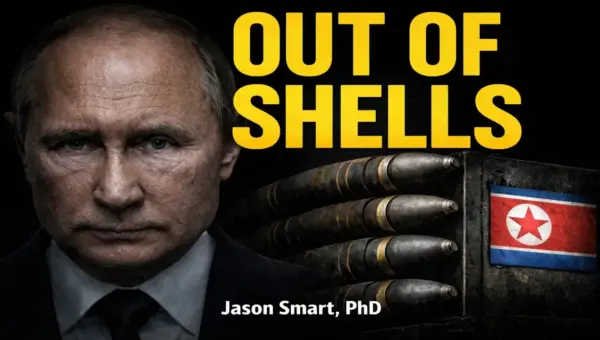
North Korea Sells Arms, Labor to Russia
Russia's reliance on North Korea for artillery shells and labor highlights Moscow's weakening military and economic position. Meanwhile, China leverages Russia's dependence for strategic gain, demonstrating a significant shift in regional power dynamics.
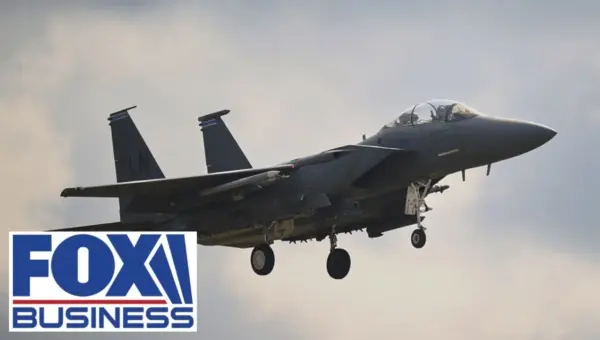
Iran Downs US F-15; One Pilot Rescued, Second Missing
A U.S. F-15 fighter jet has been shot down over Iran, with one pilot rescued and a search underway for the second. Iran is leveraging the incident for propaganda purposes, while the U.S. prioritizes the rescue mission.

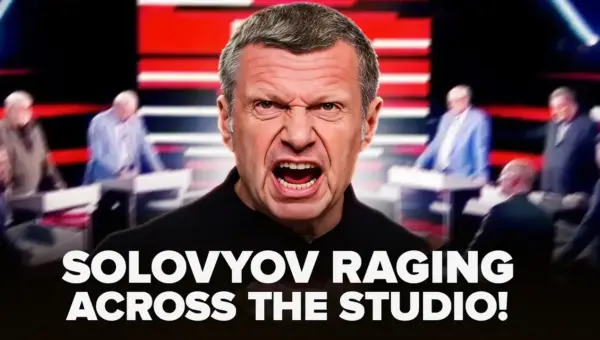
Kremlin Media Warns of Ukraine’s Long-Range Strikes
Russian state television is amplifying warnings about Ukraine's potential to strike deep into Russian territory with newly supplied long-range weapons. Prominent figures voice concerns over targeting key Russian sites, while historical narratives are selectively used to criticize European nations, particularly Germany. The media aims to foster domestic unity by framing dissent as treason and emphasizing perceived external threats from NATO.