Iran Conflict: Military Pressure Won’t Solve Regional War
Military pressure alone will not resolve the complex regional conflict involving Iran, according to experts. A political understanding and renewed trust are essential to end hostilities and reopen the Strait of Hormuz. Past attempts at negotiation have been marred by escalations, creating a significant obstacle to peace.

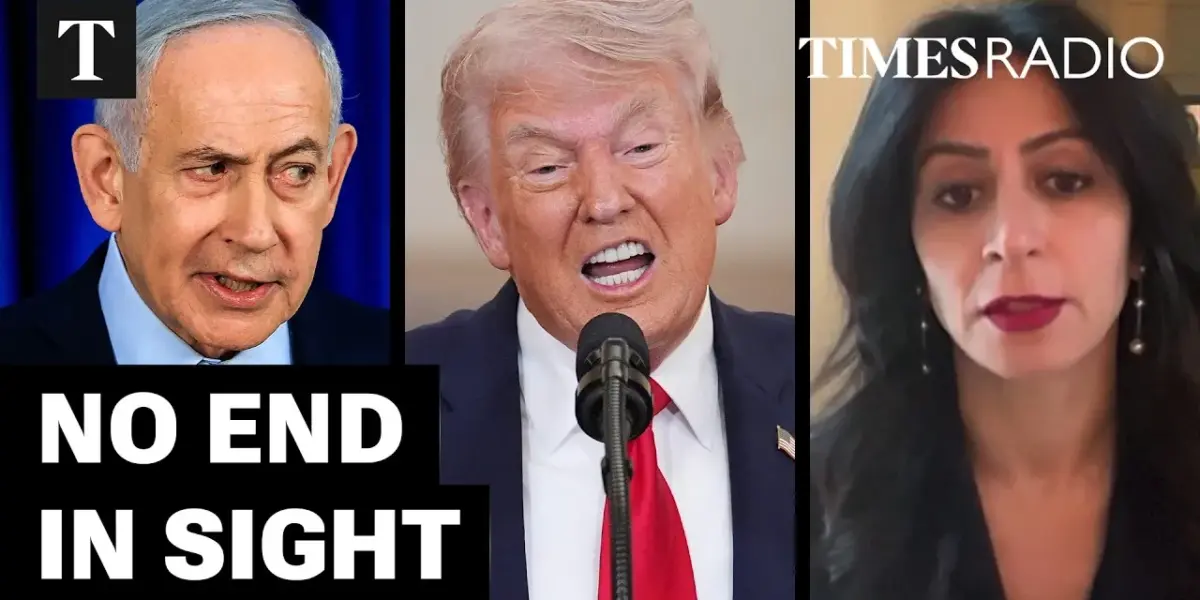
Iran Conflict Needs Political Solution, Not Military Might
The escalating conflict involving Iran is not a simple two-party dispute but a complex regional war. Experts suggest that military pressure alone will not resolve the situation. Instead, a political understanding and a crucial element of trust are needed to end the hostilities and reopen vital shipping routes.
Strait of Hormuz Reopening Uncertain Amidst Escalation
Reports indicate that Iran and the United States may have received a plan to end the current conflict and potentially reopen the Strait of Hormuz. However, the timeline for such a reopening remains unclear. Former President Donald Trump has issued strong warnings to Iran, suggesting severe consequences if the strait is not reopened. Despite these threats, the path to resolution appears far from immediate.
Nancy Okail, CEO of the Center for International Policy, a Washington D.C.-based think tank, shared her insights on the situation. She emphasized that immediate resolution is unlikely. While pressure from various global players, including the Gulf region and the United States, is present, Okail stressed that military pressure is not the answer. “It has to have a political understanding,” she stated, highlighting the lack of trust as a major obstacle.
Trust Deficit Hinders Diplomatic Efforts
Past attempts at negotiation have been undermined by escalations, creating a significant trust deficit between the involved parties. Okail pointed to instances in June 2025 and again before February 28th of this year, where negotiations were underway only to be disrupted by military strikes. “It’s very hard to believe that on any side there will be real confidence,” she commented, underscoring the deep-seated mistrust.
A proposed plan is reportedly circulating, suggesting a 45-day pause in hostilities to allow for negotiations aimed at ending the war and reopening the Strait of Hormuz. However, Iran’s demands go beyond a simple ceasefire. They seek an end to the war, concessions, and the lifting of sanctions. Crucially, Iran requires guarantees that not only will the U.S. cease attacks but also that it can control Israel’s actions to prevent further strikes after an agreement is reached.
Iran’s Objectives and Regional Impact
Israel’s stated goal is to reduce Iran’s military capabilities and that of its proxies. However, Iran’s objectives are political, focusing on control of the Strait of Hormuz and inflicting economic harm. Iran’s tactics, such as strikes on American assets and bases in the region, create global economic concerns. The mere threat of disruption to shipping through the Strait of Hormuz can lead to increased oil prices and stock market declines.
Domestically, the conflict is causing significant pressure for the U.S. administration, particularly concerning rising gas prices and a lack of clarity regarding the war’s objectives. Okail noted that initial goals, such as regime change, appear unattainable. Furthermore, actions like the recent strike on Sharif University, a leading scientific institution in Iran, and the reported civilian casualties, including children, raise questions about the humanitarian justification for the conflict.
Iranian Regime’s Resilience Despite Pressure
Despite facing intense pressure and expected collapse, the Iranian regime has shown resilience. Okail explained that the regime is not a fragile entity that would crumble by removing a few individuals. It possesses a stable structure and a clear command hierarchy. While leadership changes can have an impact, they do not guarantee the regime’s collapse. She criticized the approach of targeting individuals, noting that some, like Ali Larani, could have been key figures in potential negotiations.
The conflict’s regional nature, with Israel’s involvement aimed at dismantling Iran’s military capabilities, suggests a prolonged struggle. The absence of trust and the cycle of escalation and counter-escalation make a swift resolution highly improbable. The international community faces the challenge of fostering a political dialogue that addresses the core issues of security, sanctions, and regional stability.
Looking Ahead: The Path to De-escalation
The coming days will be critical in determining whether diplomatic channels can overcome the deep-seated mistrust and military escalations. The focus will be on whether the proposed plan can gain traction and if Iran and the United States can find common ground for a lasting political understanding. The international community’s role in facilitating trust-building measures and ensuring adherence to any future agreements will be paramount in de-escalating the regional conflict and ensuring the free flow of trade through the Strait of Hormuz.
Source: Military Pressure Won't Resolve The Iran Conflict | Nancy Okail (YouTube)

Related Articles
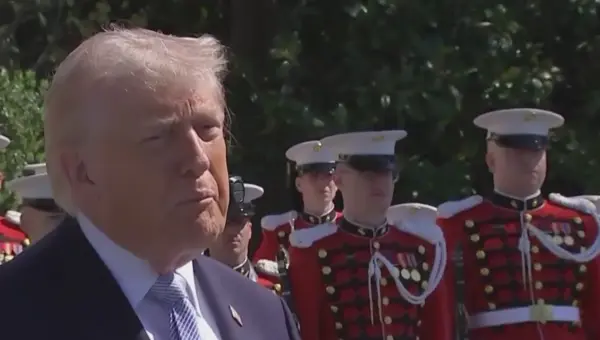
Iran Rejects Ceasefire, Escalates Mideast Tensions
Iran has rejected a 45-day ceasefire proposal, offering its own 10-point plan instead. This move escalates tensions in the Middle East, with threats to the vital Strait of Hormuz looming. World leaders are concerned about potential disruptions to global oil supplies and further conflict.
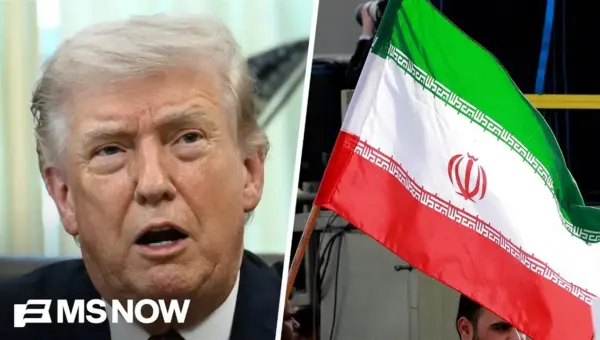
Trump Threatens Iran with ‘Hell’ Over Strait of Hormuz
President Trump issued a severe threat to Iran, vowing to target its infrastructure if the Strait of Hormuz isn't reopened, while a diplomatic push led by Pakistan seeks an immediate ceasefire. Concerns are rising over the legality of such threats and their potential impact on international law.

US Reputation Suffers Under Trump’s ‘War on Iran,’ Says Ex-Diplomat
Former Undersecretary of State Rick Stengel warns that America's global reputation may be permanently damaged by the Trump administration's foreign policy, particularly its actions concerning Iran. He argues that the U.S. has lost its "soft power," replaced by the "ugly American" image. General Barry McCaffrey also raised concerns about military leadership shake-ups and the strategic challenges in Iran.