Iran Conflict Looms: US Dismantles Capabilities, Escalation Fears Grow
The U.S. military is actively dismantling Iran's capabilities amid fears of a larger regional escalation. Analysts warn of persistent risk premiums in oil markets due to the threat to the Strait of Hormuz, while economic indicators show a slowdown with persistent inflation concerns.

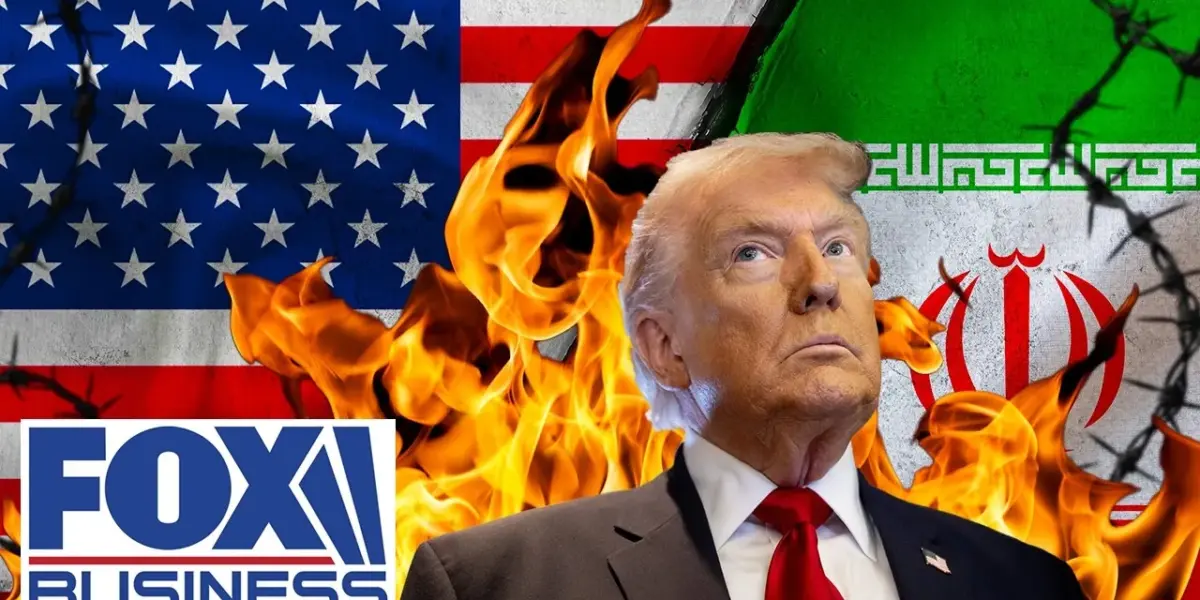
US Military Strikes Iran, Strait of Hormuz Threat Persists
In the ongoing ‘Operation Epic Theory,’ the United States military has been actively dismantling Iran’s military capabilities over the past two weeks. Despite these efforts, concerns are mounting that a larger escalation in the region may still be on the horizon. American forces are reportedly destroying Iran’s offensive assets, though the nation still retains the ability to disrupt commercial shipping and threaten the vital Strait of Hormuz.
Economic Ramifications and Geopolitical Chess
The conflict’s impact on global energy markets remains a significant concern. While the U.S. has seen record crude oil output, reaching 13.6 million barrels a day last year, the threat to the Strait of Hormuz, a critical chokepoint for global oil transport, introduces a persistent risk premium into market prices. This premium, according to analysts, could lead to significantly higher oil prices if the situation deteriorates further.
Speaking on ‘The Big Money Show,’ Forbes Media Chairman Steve Forbes highlighted the surprise at the sheer volume of weaponry Iran possessed, including thousands of missiles and drones. “If we did not take that stuff out now, not just the material itself but the means to make drones and those missiles. The world would be a much more unsafe place,” Forbes stated, emphasizing the necessity of seeing the operation through.
The geopolitical landscape is also being closely watched. Russian President Vladimir Putin is reportedly observing the developments, with potential implications for his own strategic interests. Experts suggest Putin may seek to leverage the situation, possibly by increasing pressure on Taiwan or by pursuing an agreement in Ukraine that aligns with Russian objectives, even if immediate military victory is not attainable.
Economic Uncertainty Amidst Geopolitical Tensions
The economic outlook for the United States is facing headwinds, with preliminary GDP growth estimates cut in half to 2%. This slowdown, coupled with persistent inflation concerns, paints a complex picture. While recent economic data shows modest growth in personal income and spending, much of it was recorded before the significant escalation in the Middle East and other global uncertainties.
“War always has surprises. Sometimes good and sometimes very unpleasant. I don’t think they foresaw the intensity.” – Steve Forbes
Analysts note a growing anxiety among consumers regarding inflation and rising bond yields. The economic tailwinds that were previously anticipated may be offset by these emerging challenges. The potential disruption to oil supply from the Strait of Hormuz, even if resolved, could keep crude prices elevated, impacting everything from energy costs to the broader economy.
Policy Debates and Energy Independence
Discussions are ongoing regarding potential policy adjustments to mitigate the economic impact. Suggestions include temporarily suspending the Jones Act, a 1920 law that regulates maritime commerce, to allow foreign-flagged ships to transport crude oil to the Northeast United States, potentially easing gas prices. However, such measures also raise questions about supporting the American shipbuilding industry.
The role of domestic energy production is also a key point of discussion. Proponents of increased U.S. oil and gas output argue that greater energy independence can cushion the economic blow of international conflicts. The Biden administration has expressed optimism that if the current operations are seen through, oil prices could settle in a range of $40-$60 per barrel, a level considered favorable for both producers and consumers, potentially paving the way for economic growth.
Call for Clear Communication and Strategic Vision
There is a call for more direct and clear communication from the administration regarding the stakes involved in the current conflict. Some experts suggest that a calm, direct address from the President, explaining the rationale and objectives, could help set public expectations and provide a framework for understanding future developments, drawing parallels to historical instances where presidential addresses successfully garnered public support for complex military actions.
The ultimate goal, as articulated by some, is not just military action but a potential regime change in Iran, eradicating the threat posed by its current leadership and forces. The hope is that by dismantling Iran’s military capabilities, the people of Iran will ultimately bring about the desired change.
AI Race Continues Amidst Global Turmoil
In parallel to the geopolitical and economic discussions, the artificial intelligence race continues. Meta’s upcoming AI model, reportedly codenamed ‘Avocado,’ faces potential delays, with reports suggesting it might not be ready until May or June, or even later. This delay comes at a time when competitors are rapidly advancing their AI capabilities, potentially impacting Meta’s market position.
Source: ‘BIGGEST ESCALATION MAY STILL BE AHEAD’: Are we on the brink of something MUCH larger? (YouTube)

Related Articles

U.S. Iran Tensions Rise Amid Shifting Alliances
Rising tensions between the U.S. and Iran are creating a volatile geopolitical situation. With conflicting signals on de-escalation and potential shifts in alliances like NATO and U.S.-Israel relations, the path forward remains uncertain. The global economy and regional stability hang in the balance.


Iran Targets US With Cyberattacks, Escalating Digital Warfare
Iran is increasingly using cyberattacks to challenge the U.S., as seen in a recent hack of the FBI director's account. Experts say this is a strategic shift due to Iran's limitations in conventional warfare. The U.S. needs to strengthen its digital defenses, focusing on encryption and cloud computing, rather than solely relying on traditional security measures.

Ukraine Strikes Russian Oil Refinery, Eyes Iran Threat
Ukrainian forces struck a key Russian oil refinery, disrupting Moscow's war capabilities. Meanwhile, Finland's president urged continued U.S. support for Ukraine, as Kyiv shares its air defense expertise globally amid growing geopolitical complexities involving Iran and potential sanctions against Hungary.