Iran Conflict Looms: Trump’s Ultimatum Sparks Global Concern
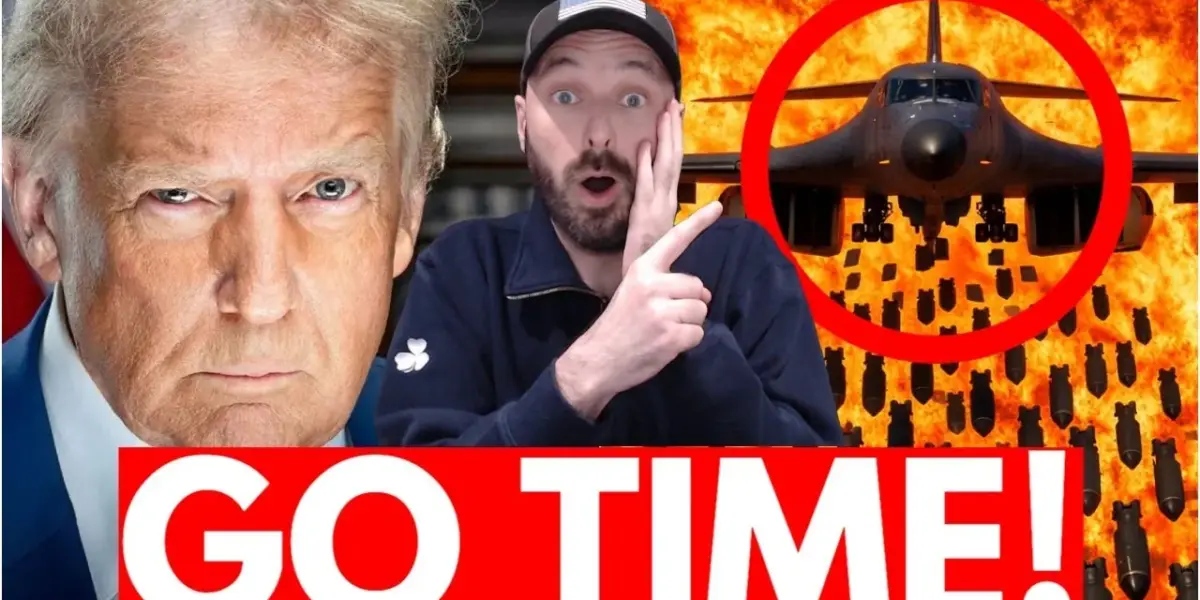
President Trump's ultimatum to target Iran's power plants and bridges is approaching its deadline, raising global concerns. Analyst David Hookstead discusses the potential consequences of striking civilian infrastructure, emphasizing the need for diplomacy over military action. This situation highlights the delicate balance of international relations and the importance of peaceful conflict resolution.

Iran Conflict Looms: Trump’s Ultimatum Sparks Global Concern
A looming deadline for President Donald Trump’s threat to target Iran’s power plants and bridges has sent ripples of anxiety across the globe. This potential escalation, discussed by analyst David Hookstead, raises serious questions about international relations and the future of peace in the Middle East.
Hookstead highlights the urgency of the situation, noting the approaching deadline for Trump’s ultimatum. The threat involves a significant military response, including striking vital infrastructure. This kind of action could have devastating consequences, not just for Iran but for the entire region.
Understanding the Stakes
When leaders talk about attacking power plants and bridges, they are talking about disrupting everyday life for millions of people. Power plants provide electricity for homes, hospitals, and businesses. Bridges are essential for transportation and trade. Destroying them isn’t just a military act; it’s an act that cripples a nation’s ability to function.
The implications of such an order are vast. It could lead to widespread civilian hardship, potentially fueling further instability and resentment. International law generally frowns upon attacks on civilian infrastructure unless there is a clear and direct military necessity. This raises questions about the legality and morality of such potential actions.
Historical Context: Escalation and Diplomacy
Throughout history, threats and escalations have often been part of international disputes. However, the path of military action, especially against civilian infrastructure, rarely leads to lasting peace. More often, it breeds cycles of retaliation and deeper conflict.
Diplomacy, on the other hand, offers a way to de-escalate tensions and find common ground. While difficult, talking through disagreements is generally seen as a more constructive approach than resorting to force. The international community often works through organizations like the United Nations to facilitate dialogue and prevent conflict.
Viewer Questions and Potential Outcomes
The discussion around Trump’s ultimatum naturally invites questions from the public. Viewers are likely wondering about the specific triggers for such an action, the potential for wider conflict, and the diplomatic efforts being made behind the scenes. These are valid concerns when a nation’s leadership speaks of such drastic measures.
The scenario Hookstead describes is one where rapid updates are expected as the situation develops. This suggests a volatile environment where decisions made in the coming days could have immediate and far-reaching effects. The world watches closely, hoping for a de-escalation rather than an intensification of hostilities.
Why This Matters
The potential for military conflict, especially one involving attacks on infrastructure, affects everyone. It impacts global markets, international relations, and the safety of people in the affected regions and beyond. It underscores the importance of clear communication, de-escalation, and the pursuit of peaceful resolutions to international disputes.
Decisions made by world leaders carry immense weight. The threat of striking civilian infrastructure is a grave matter that demands careful consideration of all consequences. It highlights the delicate balance of power and the constant need for responsible statesmanship in a connected world.
Implications, Trends, and Future Outlook
The trend in international relations has often seen periods of heightened tension followed by efforts at diplomacy. However, the rhetoric of targeting infrastructure represents a stark departure from typical diplomatic engagement. It signals a willingness to inflict significant damage, potentially crossing established norms of warfare.
Looking ahead, the outcome of this specific situation will likely influence future diplomatic strategies and military posturing. If such threats lead to conflict, it could embolden similar aggressive stances elsewhere. Conversely, if diplomacy prevails, it could reinforce the value of negotiation, even in the face of extreme pressure.
The constant flow of information and analysis, as suggested by the promise of rapid updates, reflects our interconnected age. Events unfold quickly, and understanding their potential impact requires ongoing attention. The focus on power plants and bridges is a stark reminder of how interconnected and vulnerable modern societies are.
Ultimately, the situation serves as a critical case study in crisis management and the enduring challenges of maintaining global stability. The choices made in these moments define not only the immediate future but also the long-term trajectory of international peace and security.
Source: IRAN WAR: Power Plants And Bridges Night | Viewer Q&A (YouTube)

Related Articles
Experts Warn Trump Lost Control, Fueling Iran Conflict
Trita Parsi and Michael Weiss argue that President Trump has lost control, escalating tensions with Iran into a dangerous, potentially perpetual conflict. They criticize the administration's strategy, suggesting it's based on flawed assumptions about Iranian public opinion and lacks a clear political endgame. The analysts warn of a long-term entanglement where the U.S. may be forced into indefinite vigilance against Iran.
Trump’s Iran Threats Spark War Crime Fears, Military Dilemma
President Trump's fiery rhetoric threatening Iran with "mass destruction" has plunged the U.S. military into an ethical and legal quandary. As diplomatic efforts crumble, military leaders grapple with the potential for war crimes charges if they follow the president's aggressive public statements, while Iran vows severe retaliation and regional instability grows.

Trump’s Words Harm US Standing, Damage Democracy: Law Prof
Legal experts warn that President Trump's rhetoric has already harmed America's global standing and strained its democracy. Discussions highlight concerns over potentially unlawful military orders targeting civilian infrastructure and the legal obligations of service members. The debate also revisits the effectiveness of the Iran nuclear deal, with former negotiator Robert Malley asserting diplomacy's superiority over military action.