Iran Conflict Jolts Mideast AI Data Center Boom
Escalating conflict in the Middle East, including direct strikes on AWS data centers, jeopardizes a multi-billion dollar AI infrastructure buildout by U.S. tech giants. Rising energy costs and supply chain concerns add further pressure, forcing investors to reassess the region's appeal.

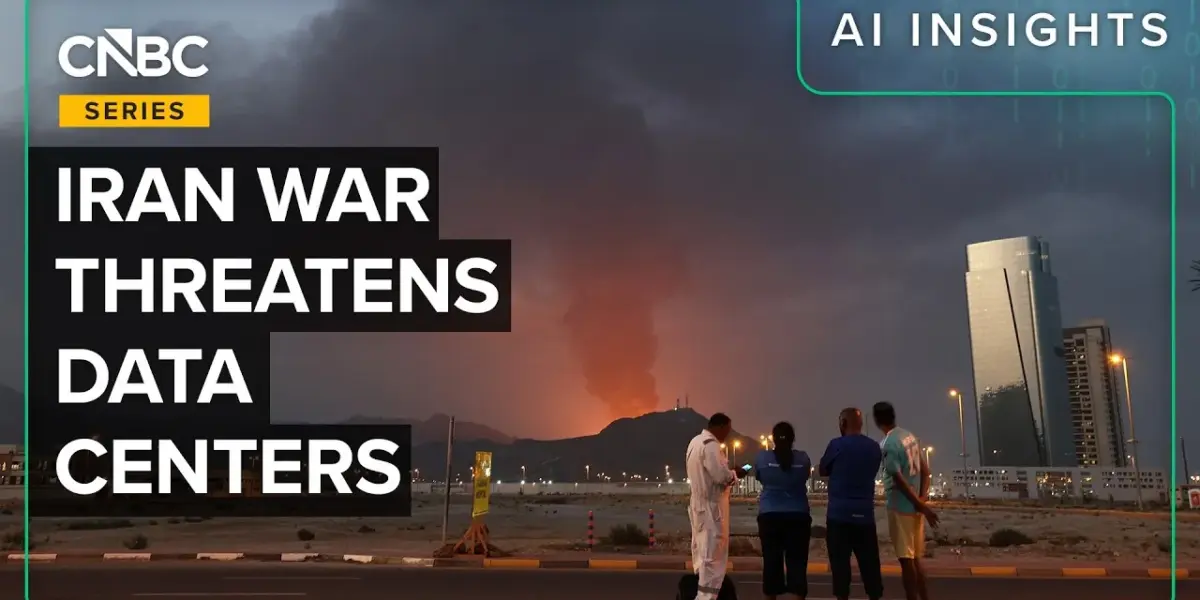
Iran Conflict Disrupts Ambitious Mideast AI Data Center Expansion
The Middle East, once heralded as the next major frontier for artificial intelligence (AI) infrastructure, is facing significant headwinds as escalating geopolitical tensions threaten a multi-billion dollar buildout by American tech giants. Following a series of strikes by the U.S. and Israel on Iran, and subsequent retaliatory actions, the region’s burgeoning AI data center ecosystem, heavily backed by sovereign wealth funds and promising access to cheap energy and Asian markets, now appears far less certain.
Escalation and Infrastructure Targets
The conflict escalated dramatically with Iran striking three Amazon Web Services (AWS) data centers – two in the United Arab Emirates (UAE) and one in Bahrain. This marks a significant moment, representing one of the first instances where the critical infrastructure of a major cloud provider has been directly targeted in a military engagement. Prior to this escalation, the Gulf region was largely perceived as stable, a sentiment underscored by extensive investment pledges during recent high-profile diplomatic tours.
The region was viewed as relatively stable. We haven’t seen this kind of conflict in the Gulf since the first Gulf War in 1990-91.
Last year’s White House tour of the region saw commitments totaling tens of billions of dollars from nations like Qatar, the UAE, and Saudi Arabia, aimed at fostering partnerships with leading technology firms including Microsoft, Amazon, Google, OpenAI, and Oracle. These collaborations are crucial as AI and cloud computing become increasingly integral to national security and economic strategy. Notably, major tech players like Amazon, Google, Microsoft, and Oracle already hold significant cloud contracts with the U.S. Department of Defense. OpenAI, in particular, is developing the largest data center outside the U.S. in the UAE and recently secured a defense contract, highlighting the deep entanglement of AI technology with military objectives.
Rising Costs and Supply Chain Concerns
The conflict’s implications extend beyond direct physical threats to data centers. The cost of building and maintaining this vital infrastructure is rising sharply. Crude oil prices have surged, at one point exceeding $100 per barrel, driven in part by Iran’s actions, including the disruption of the Strait of Hormuz, a critical global shipping lane. This surge in energy prices directly challenges the foundational economic appeal of the Gulf region for data center development, where cheap energy was a primary draw. The security calculus for constructing these expensive facilities did not initially account for the current level of geopolitical risk, posing a substantial challenge for future projects.
Domestically, the U.S. is also experiencing rising costs associated with data center expansion. Furthermore, concerns are mounting over the semiconductor supply chain. A prolonged regional conflict could impact the availability of key materials such as helium and bromine, both essential components in the manufacturing of memory chips, further complicating the AI hardware landscape.
Market Impact and Investor Outlook
For investors, the central question is whether the current geopolitical turmoil will lead to increased spending by major tech companies or merely cause delays. The immediate outlook suggests a negative impact on the economics of these large-scale investments. If the conflict endures and energy costs remain elevated, the operational expenses for data centers will likely increase, potentially slowing the pace of expansion. This uncertainty also forces Big Tech to reconsider the long-term viability of such substantial investments when geopolitical landscapes can shift rapidly.
The strategic importance of AI infrastructure to the U.S. military, coupled with the increasing integration of AI into both commercial and defense sectors, raises concerns that these data centers could become more frequent targets. As the lines between civilian and military applications of AI blur, the physical infrastructure supporting these technologies faces heightened risks. This evolving threat landscape necessitates a re-evaluation of risk mitigation strategies and investment priorities in the global AI ecosystem.
What Investors Should Know
- Geopolitical Risk Premium: The conflict in the Middle East introduces a new layer of geopolitical risk to planned and existing AI data center investments in the region.
- Rising Operational Costs: Increased energy prices, particularly for oil and gas, directly impact the cost-effectiveness of data centers that rely on cheap power.
- Supply Chain Vulnerabilities: Potential disruptions to key materials like helium and bromine could affect semiconductor manufacturing, a critical component of AI hardware.
- Strategic Targeting: As AI becomes more embedded in military operations, its supporting infrastructure, including data centers, may become targets in conflicts.
- Investment Reassessment: Tech companies and their investors may need to reassess long-term capital allocation strategies given the heightened volatility and potential for rapid shifts in the geopolitical environment.
Source: How The Iran War Threatens Big Tech’s AI Data Center Buildout In The Middle East (YouTube)

Related Articles
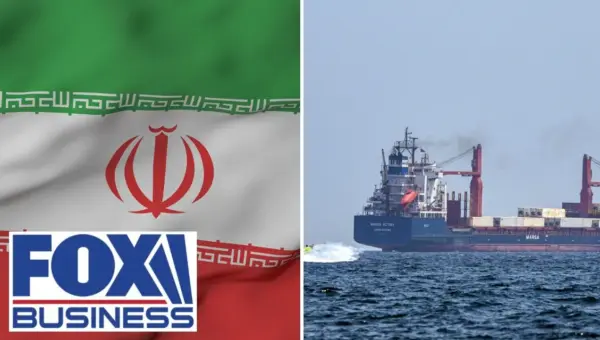
Iran Conflict Sparks Market Volatility, Experts Weigh In
Geopolitical tensions in the Middle East have rattled global markets, with stocks falling and safe-haven assets like the U.S. dollar strengthening. Experts suggest the market may have overreacted, creating potential buying opportunities, but warn of a "bumpy journey" ahead due to infrastructure damage and potential oil shortages. Concerns also linger about the Federal Reserve's independence amidst political commentary.

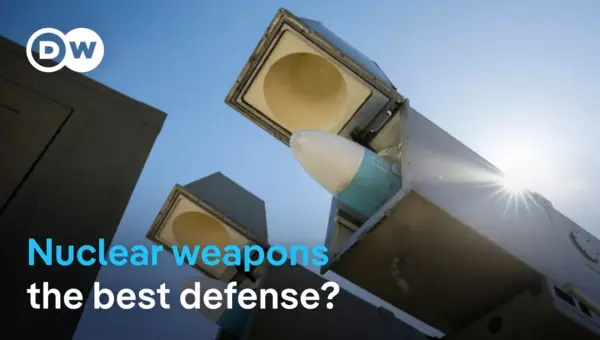
Iran War Sparks Nuclear Fears: Is a Global Arms Race Brewing?
The conflict in Iran has heightened global fears of nuclear proliferation and a potential arms race. Experts warn that Iran may pursue nuclear weapons if its current deterrence fails, while historical examples show the dangers of unchecked nuclear ambitions. The world faces uncertain scenarios, ranging from renewed diplomatic efforts to a dangerous escalation of nuclear threats.


Iran’s Capabilities Destroyed, Stocks to Soar: Analyst
Geopolitical analysis suggests Iran's military capabilities are nearing destruction, paving the way for U.S. control of the Strait of Hormuz. This resolution is expected to lower oil prices and significantly boost the stock market, according to market watchers.