Iran Conflict Jolts Global Economy, Oil Prices Surge
The escalating conflict involving Iran has sent shockwaves through the global economy, primarily impacting oil prices and the critical Strait of Hormuz. Experts warn of systemic consequences for regional economies, while US markets show resilience amid broader global concerns.

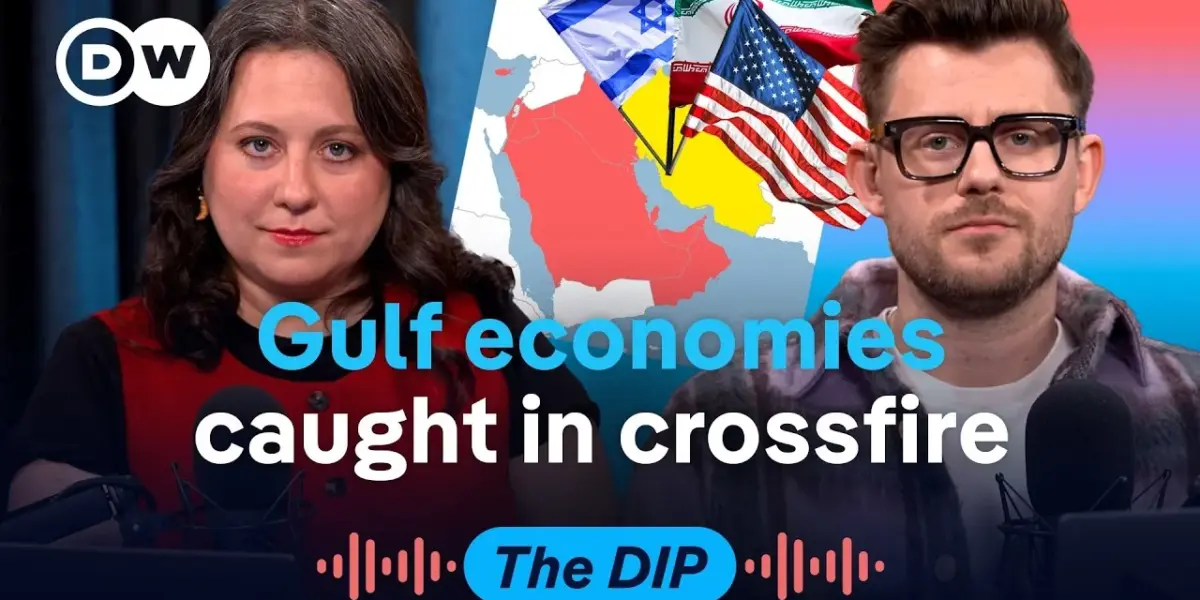
Global Markets Reel as Iran Conflict Sparks Economic Shockwaves
The escalating conflict involving Iran and its response to attacks on neighboring countries has sent significant shockwaves through the global economy, impacting everything from oil prices and shipping to essential services and tourism. The strategic Strait of Hormuz, a critical chokepoint for global energy transit, has become a focal point, raising concerns about supply chain stability and potential price hikes worldwide.
Strait of Hormuz: A Vital Artery Under Threat
The Strait of Hormuz, a narrow waterway connecting the Persian Gulf to the open ocean, is of paramount importance to the global energy market. Experts estimate that approximately 20% of the world’s oil and gas transits through this critical passage. Any disruption or threat to this artery can have immediate and far-reaching consequences.
“The Strait of Hormuz is this tiny outlet where everything needs to pass through,” explained Hal Azim, Director of the MINA Futures Lab at the Atlantic Council. “Roughly about 20% of the world’s oil and gas transits through that space.” The global nature of oil and gas markets means that even regional supply shocks can directly impact prices on a global scale.
US Response and Market Resilience
In response to the heightened tensions, the Trump administration has outlined measures to ensure safe passage through the Strait. These include potential US Navy escorts for ships and support from the US Development Finance Corporation for shippers and insurance providers. However, details remain sparse, and questions linger about the effectiveness and scale of these measures.
“Are there going to be enough warships to go around? Because we’re talking about a lot of tankers down there and also not a lot of them are US owned,” noted Janelle Dumalan, DW US Correspondent, highlighting potential logistical challenges.
Despite the gravity of the situation, US markets have shown a degree of resilience. This is partly attributed to the anticipation of potential conflict and the US’s reduced direct exposure compared to Europe and Asia. Furthermore, some analysts suggest that US markets are becoming accustomed to volatility, potentially influenced by perceptions of the Trump administration’s approach to global affairs.
“US markets simply are getting used to Trump where volatility has become part of the norm,” Dumalan observed. “There is a certain way they are rolling with the punches because there are a lot of punches.”
Oil Prices and Inflationary Fears
The conflict has inevitably raised concerns about a potential surge in oil prices, with the $100 per barrel mark frequently cited as a significant threshold. While markets have not yet fully priced in an extreme scenario, volatility has increased. The potential for OPEC members to boost production could offer some stabilization, but the ability to deliver that increased supply to the market remains a key question.
“The question really is, can they get the product to market?” Azim questioned. “So if they can increase the supply is one thing, but they have to also store the supply, they have to load ships with the supply and they have to get those ships out to market to end customers.”
The fear of a return to inflation is palpable. A poll conducted around the time of the strikes indicated that 63% of Americans surveyed were worried about the impact on gas prices. The conflict’s duration and severity will be critical determinants of its inflationary impact across various sectors, from air travel to groceries.
Beyond Oil: Impact on LNG, Tourism, and Services
The economic repercussions extend beyond crude oil. Liquefied Natural Gas (LNG) is also significantly affected, with the Strait of Hormuz being a crucial route for its transport. The US, as a major LNG exporter, is positioned to potentially benefit from increased demand due to its expanded production capacity.
“The US was smart or fortunate, depending on how you want to categorize it, in the buildout of LNG production and its ability to export. So they’re picking up, had the capacity to pick up some of the supply constraints. And so that’s that’s to their benefit,” Azim commented.
The tourism industry, particularly in the UAE, has taken a substantial hit, with travel coming to a standstill. More concerning is the impact on critical infrastructure. Drone attacks have reportedly struck regional Amazon Web Services (AWS) data centers in the UAE and damaged facilities in Bahrain, raising questions about the vulnerability of essential service centers.
“They’re extremely important. You know, how vulnerable is in more of a national security question,” Azim stated, emphasizing that the impact isn’t limited to data centers but also includes vital services like water purification plants. Disruptions to these basic necessities can severely impact GDP and the overall quality of life for populations in the region.
Iran’s Fragile Economy on the Brink?
Iran’s economy was already in a precarious state prior to the recent escalation. Experts point to a significant surge in inflation, reaching levels not seen since the late 1970s, just before the revolution. This heightened inflation directly impacts the purchasing power of citizens and puts immense pressure on the regime.
“Periods of heightened inflation are very, very problematic because it doesn’t just impact the protesters on the street. It impacts the regime. Everyone’s pocketbook is impacted,” explained Azim. This economic strain could potentially trigger broader systemic changes within the government itself.
Looking Ahead: The Tipping Point
The ultimate economic consequences remain uncertain, hinging on the duration and intensity of the conflict. Experts suggest that there will be a tipping point where the systemic impact becomes more pronounced and durable. Identifying this point in advance is challenging, but its eventual arrival could lead to significant, long-lasting repercussions for the region’s economies.
“There’s going to be a point where there is going to be a systemic impact which is going to have a longer, more durable consequence to the economies of the region,” Azim concluded. The coming days and weeks will be critical in determining the trajectory of this unfolding economic crisis.
Source: Iran war sends shockwaves through global economy | The Dip Podcast (YouTube)

Related Articles


Iran War Sparks Oil Surge, Economic Woes for Trump
The war in Iran has triggered a sharp rise in oil prices, threatening economic stability and posing a significant challenge for the Trump administration. As gas prices surge and a key jobs report shows a slowdown, the White House faces mounting pressure to address domestic concerns. Meanwhile, regional tensions escalate with an intensifying conflict in Lebanon and ongoing investigations into civilian casualties.


Karoline Leavitt’s War Spin Crumbles Under Scrutiny
Karoline Leavitt faces mounting pressure to spin escalating US-Israel military actions against Iran, struggling with shifting justifications and contradictory claims about threats and preparedness. The analysis delves into the administration's messaging, historical precedents, and the implications for 'America First' policy.


Iran Nuclear Tensions Spark Global Oil Shock
A coordinated military strike on Iran's nuclear facilities and naval assets has triggered retaliation, disrupting critical oil supplies and reserves in the Persian Gulf. The geopolitical escalation poses significant risks to global energy markets and the broader economy.