Iran Conflict: Israel’s War Aims Served, US Goals Unclear
Richard Spencer reports from Iraq that the ongoing conflict in Iran appears to be primarily serving Israel's strategic aims, while U.S. objectives remain unclear. President Trump's mixed messages on Kurdish involvement have added to the confusion on the ground.

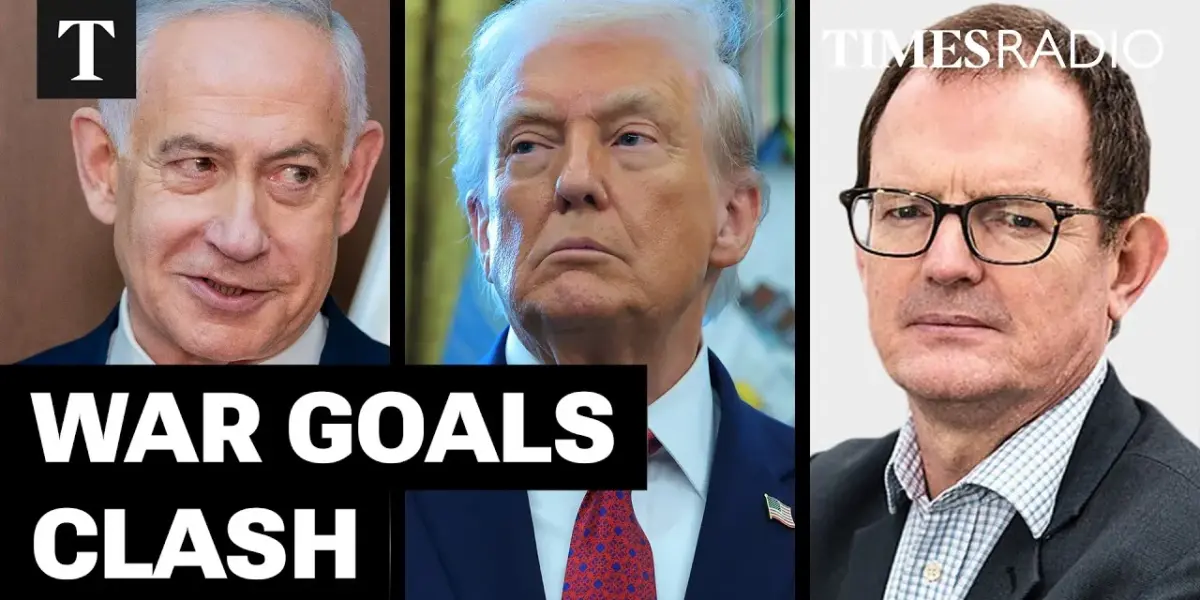
Israel’s Strategic Gains Emerge Amidst Shifting US Objectives in Iran Conflict
The ongoing conflict involving Iran appears to be significantly serving Israel’s strategic war aims, while the ultimate objectives of the United States remain less clear, according to insights from Richard Spencer, a correspondent for The Times, reporting from Babil, Iraq. While many Americans reportedly believed the intervention was aimed at regime change, the current situation suggests a more complex geopolitical landscape where Israel’s primary concerns about weakening Iran’s military and nuclear capabilities may be taking precedence.
US Policy on Kurdish Involvement Sparks Confusion
Recent statements from U.S. President Donald Trump regarding the involvement of Kurdish forces in the conflict have generated confusion and mixed messages. Trump expressed a desire to keep Kurdish fighters out of the fray, stating, “I don’t want the Kurds going in. I don’t want to see the Kurds get hurt, get killed… The war is complicated enough without having getting the Kurds involved.” These comments, made aboard Air Force One, were met with a degree of uncertainty on the ground in Iraqi Kurdistan, where residents were just beginning to process the news.
Richard Spencer detailed the nuanced situation on the ground, explaining that the Kurds themselves are divided on the issue. While Iranian Kurdish armed groups, based in Iraqi Kurdistan, view the conflict as a potential opportunity to advance their rights within Iran, Spencer cautioned that a direct, unassisted intervention could lead to their “massacre.” He elaborated, “the Kurds are a minority, they’re about 10% of the population. But these armed groups represent only a part of those.”
“I think as it was put to me yesterday as a sort of game of chicken things like this, if if if you know America goes in, if there’s a momentum, then people will join in and be pleased. If there isn’t momentum then you know the first the first mover or advantage is still with Iran.”
Spencer highlighted conversations with key Kurdish leaders, including Baffl Talibani of the PUK, who reportedly conveyed to President Trump the significant risks involved for both the Iranian Kurds and the fragile stability of the Kurdish region in Iraq. Talibani emphasized that while the desire for greater Kurdish freedom, particularly in Iran, is widely shared, direct involvement in the war would be “very risky.” Similarly, although President Trump also spoke with KDP leader Masoud Barzani, the nature of that discussion remains undisclosed, though a similar message is suspected.
Assessing the Long-Term Goals and Potential Outcomes
The differing interpretations of U.S. objectives underscore a broader debate about the administration’s long-term strategy. Spencer posited that if the goal is to strike a deal with a more amenable regime figure within Iran, leaving vulnerable minorities exposed to potential retribution would be irresponsible. Conversely, if the aim is outright regime change, potentially involving a significant U.S. military commitment akin to the 2003 invasion of Iraq, then different considerations apply. He noted that the autonomy of Kurds in Iraq was a direct result of such American interventions.
The situation is further complicated by impending internal developments within Iran. The impending selection of a new Supreme Leader, with reports suggesting that the son of the current leader may not be accepted, could prove to be a pivotal moment. Spencer noted the potential for divisions within the Iranian regime on this matter and questioned whether the successor would pursue a path of “resistance” or be open to a deal with the United States.
On-the-Ground Realities and Broader Geopolitical Context
Reporting from Babil, Iraq, Spencer described a tense but relatively stable situation overnight, with reports of intercepted missile attacks near the local airport. He offered a cynical yet pragmatic assessment of the current phase of the conflict:
“I think if I was going to be totally cynical, I would say that at the moment it’s it’s serving is Israel’s war aims. Um, but maybe not entirely America’s war aims as far as we can see them.”
He contrasted this with the perceived American public’s expectation of regime change. While acknowledging the significant damage inflicted on Iran’s military capabilities, Spencer suggested that Israel’s primary concern has historically been weakening Iran’s military and nuclear infrastructure, with regime change being a secondary objective.
Drawing parallels with past U.S. administrations, Spencer reflected on the challenges of shaping geopolitical events. He cited the examples of George W. Bush’s attempts to reshape the Middle East and Barack Obama’s pivot to Asia, both of which resulted in unintended consequences. This historical perspective highlights the inherent difficulties in controlling the outcomes of complex international interventions.
Looking Ahead: Kurdish Reactions and Iranian Succession
Moving forward, Spencer indicated that his reporting would focus on the reactions of the Iranian Kurds to the evolving U.S. messaging and the crucial developments surrounding the succession of Iran’s Supreme Leader. These intertwined issues are likely to shape the trajectory of the ongoing conflict and its regional implications.
Source: Iran Conflict Serves Israel’s Aims More Than America’s | Richard Spencer (YouTube)

Related Articles


Iran’s Escalating Attacks Spur US Ground Operations Talk
Iran's escalating attacks, including strikes on civilian infrastructure, have prompted discussions of potential U.S. ground operations to secure nuclear materials. The conflict showcases Iran's persistent threat capabilities against allied air dominance, with significant geopolitical implications.

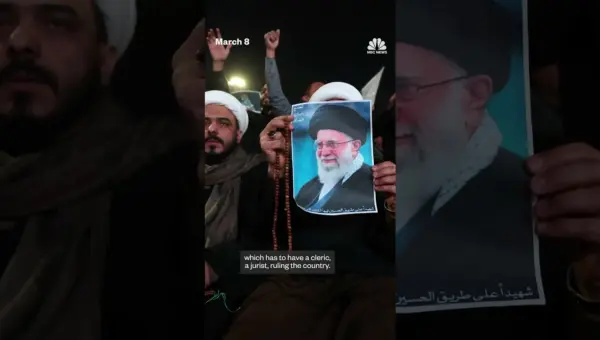
Iran Selects New Supreme Leader Amidst Israeli Warning
Iran has announced a consensus has been reached on a successor to Ayatollah Khomeini, selecting a qualified cleric and jurist for the role. However, Israel has issued a direct and ominous warning, threatening to target those involved in the selection process.

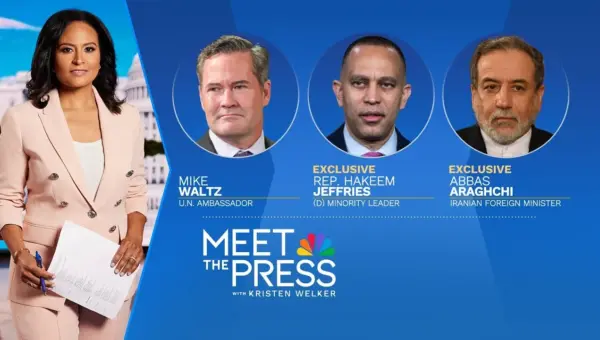
Trump Escalates Iran Conflict, Faces Growing Domestic Opposition
President Trump's conflict with Iran escalates, drawing international concern and sparking sharp bipartisan debate in Washington. While the administration defends its actions, critics label it a "war of choice" and question the strategy, even as reports surface of potential ground troop considerations and Russia's involvement.