Iran Conflict: Inside Look at Border Exodus and Regime Stability
Thousands flee intensified conflict in Iran, facing harrowing border conditions and difficult choices between safety and family. A generational divide highlights differing perspectives on the regime and future, while geopolitical tensions and the potential for a prolonged conflict loom large.

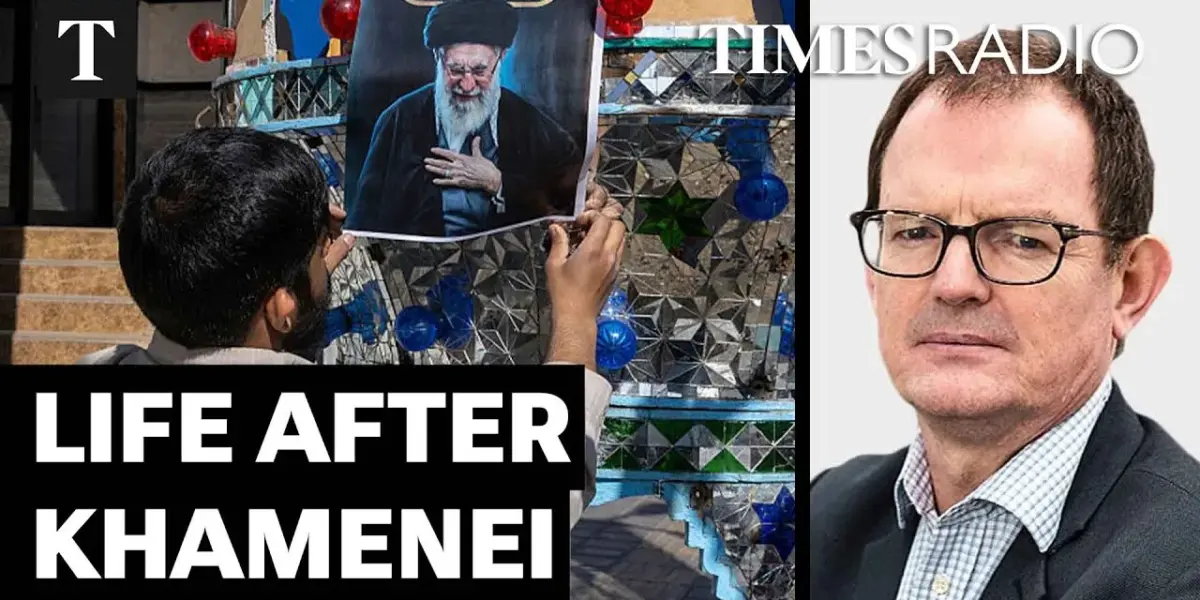
Border Chaos Amidst Intensified Conflict
The border between Turkey and Iran has become a scene of desperation and difficult choices as conflict intensifies, forcing thousands of Iranians to flee bombing and destruction. Richard Spencer, a correspondent for The Times, reported from the mountainous border region, describing a dramatic landscape marred by the reality of war. “Snow-covered mountains… otherwise really quite beautiful apart from you know what’s going on behind those mountains where we know there is intense bombing,” Spencer observed. He recounted harrowing stories from those escaping, including a woman who narrowly avoided a missile strike on a factory road just hours before crossing into Turkey. This exodus highlights the immediate human cost of the escalating hostilities, with many desperately seeking safety from aerial attacks.
Dilemmas of Displacement and Family Ties
The situation at the border is complex, with people not only trying to leave Iran but also attempting to return to be with their families. “People are trying to leave… people are trying to get away from the bombing. Uh people particularly obviously people with visas or dual nationals who have passports enabling them to get out,” Spencer explained. However, leaving is not straightforward, as Iranian authorities reportedly disrupted immigration servers, making departure difficult. For those trying to re-enter, the cut-off internet and phone lines meant a terrifying lack of contact with loved ones. Spencer elaborated on the profound personal dilemmas faced by individuals: “Do you stay with your families? Do you try and take your families… away and then you know risk never going home again?” He shared the story of a migrant worker in Turkey who felt compelled to return to his wife and four children in Iran, despite the uncertainty of providing for them amidst the crisis. This underscores the agonizing decisions individuals must make when caught between personal safety and familial duty.
Generational Divide and Regime Resilience
A stark generational divide in perspective is emerging among Iranians regarding the ongoing conflict and the future of their country. Older generations, who lived through the devastating Iran-Iraq War, possess a deeper understanding of the potential for prolonged suffering and possess a more philosophical outlook. “The older people tend to be a little bit more um philosophical, should we say, about about what’s happening,” Spencer noted. In contrast, younger Iranians, who have grown up under the current regime and experienced years of sanctions, crackdowns, and international isolation, exhibit greater fragility. “The younger people really who… they both have grown up under this regime and and can see no end to it,” he stated. Lacking the direct experience of heavy aerial bombardment and with limited understanding of alternative political systems, they grapple with profound uncertainty about their future and that of their children.
Internal Dynamics and Potential for Change
Speculation surrounds the potential for regime change within Iran, with mixed signals from international players like the Trump administration. While some within the U.S. administration have expressed a desire for change, there remains ambiguity about the preferred method. Israel, meanwhile, clearly seeks a weaker Iran, less capable of posing a threat. However, the immediate prospects for popular uprising appear limited due to stringent security measures. “The besiege, which is the Revolutionary Guard Police Force, have set up checkpoints everywhere. There’s really not much incentive to to try and topple the regime from the streets,” Spencer observed. He suggested that any significant shift in leadership would more likely originate from within the regime itself, potentially through an internal coup within the Revolutionary Guard or the clerical establishment, leading to the appointment of a new leader capable of negotiating with international powers. However, he stressed that there are currently no visible signs of such a development.
Geopolitical Considerations and Kurdish Question
The possibility of external actors arming opposition groups, such as Kurdish rebel movements, has been raised. While the CIA possesses the capability to support such groups, historical outcomes for Kurdish allies have often been unfavorable, leading to them being perceived as expendable. Spencer highlighted the complex ethnic and historical dynamics within Iran, noting that armed Kurdish groups represent a smaller fraction of the overall Kurdish population and that an insurrection could be unpopular among the broader Iranian population due to historical animosities between Kurds and Persians. The potential ramifications for regional stability, particularly concerning Turkey, remain unclear. The geopolitical landscape, therefore, presents a complex web of interests and potential interventions, with uncertain consequences.
Life Under Threat in Qatar
The conflict has not been confined to Iran’s borders. Professor Mean Kamarava, based in Qatar, described a significant disruption to daily life in Doha. “Life in Qatar has come to a standstill for the last four or five days,” he reported. Residents have been under shelter-in-place orders, with most staying indoors due to the shattering of their sense of safety and tranquility. “That sense of comfort has been shattered by um loud uh explosions over uh overhead,” Professor Kamarava stated, noting the recurring explosions that have become a nightly occurrence. This heightened tension and uncertainty is a stark departure from Qatar’s usual environment of safety, impacting the local population profoundly.
Regime’s Crisis Management and Prolonged Conflict
Despite the external pressures and internal anxieties, the Iranian regime has demonstrated a historical capacity for crisis management. Professor Kamarava noted that while the government has been “lousy at management,” it has proven adept at navigating existential crises over its four-decade history. Regarding the current conflict, he indicated that the Iranian government is prepared for a prolonged engagement, believing Iran possesses a higher threshold for enduring hardship than its adversaries. “The Americans and the Israelis want a quick and decisive victory. And the Iranians want… a prolonged conflict through which they can um grind down American resolve,” he explained. The duration of the conflict, therefore, hinges on differing strategic objectives and the resolve of each party involved.
Source: What Iranians Inside The Regime Think About Khamenei's Death | Richard Spencer (YouTube)

Related Articles

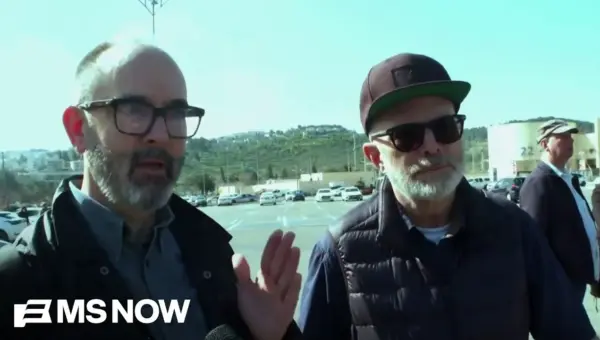
Americans Evacuate Middle East Amid Widening Regional Conflict
Americans are rushing to depart the Middle East as regional conflict escalates, with the U.S. urging citizens to leave over a dozen countries. The first chartered evacuation flights have begun amid ongoing Israeli bombardments and reports of Iranian missile strikes across the region.
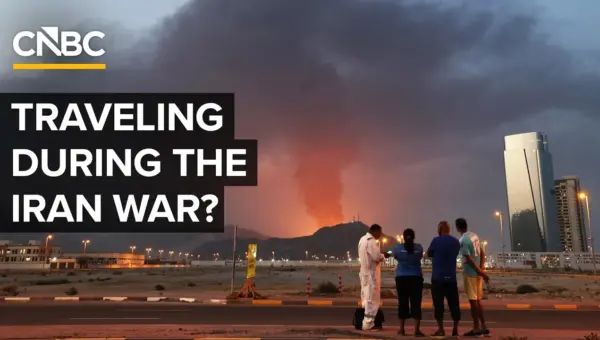
Iran Conflict Grounds 1 Million Air Travelers, Halts Dubai Hub
Over one million air travelers have been affected by widespread flight cancellations and airspace closures across the Middle East following strikes on Iran. Dubai International Airport, a critical global travel hub, has been severely impacted, leading to significant logistical challenges and economic uncertainty. The conflict's duration poses a substantial threat to regional tourism and global supply chains.


US Torpedoes Iranian Ship in First Since WWII Amid Escalating Conflict
The U.S. military has sunk an Iranian Navy ship using a torpedo, marking the first such combat engagement since World War II. The strike comes amid escalating U.S. and Israeli attacks on Iran, with Tehran vowing retaliation. The conflict's widening scope is impacting regional stability, global markets, and causing a significant humanitarian crisis.