Iran Conflict Grounds 1 Million Air Travelers, Halts Dubai Hub
Over one million air travelers have been affected by widespread flight cancellations and airspace closures across the Middle East following strikes on Iran. Dubai International Airport, a critical global travel hub, has been severely impacted, leading to significant logistical challenges and economic uncertainty. The conflict's duration poses a substantial threat to regional tourism and global supply chains.

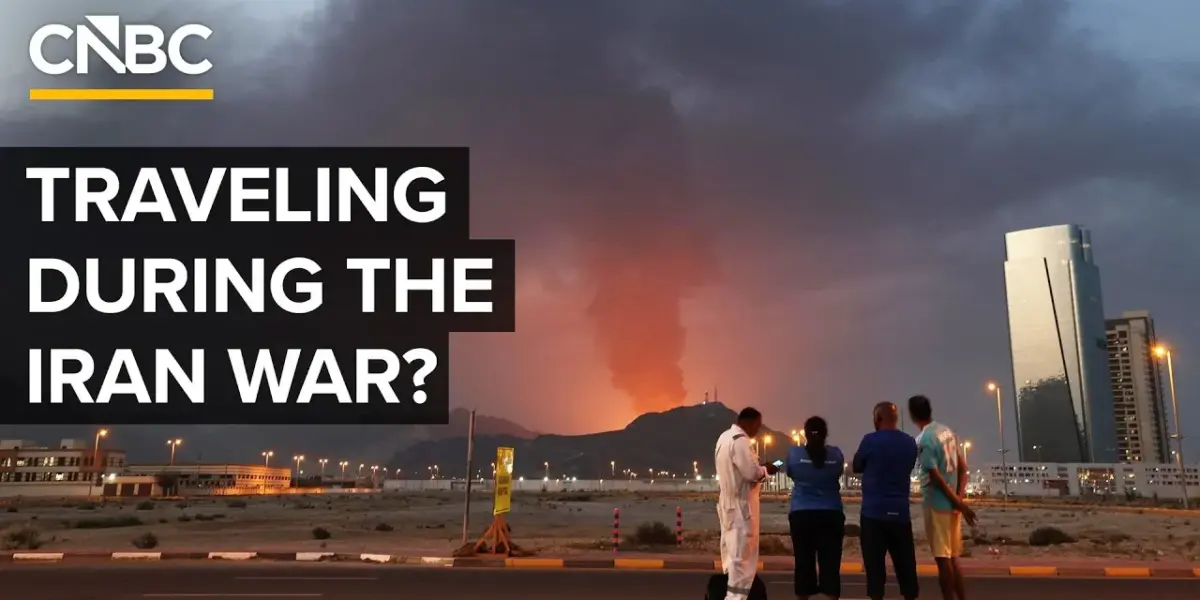
Middle East Airspace Closures Strand Over 1 Million Passengers
The escalating conflict involving Iran has triggered widespread flight cancellations and airspace closures across the Middle East, impacting more than a million air travelers since the United States and Israel launched strikes over the weekend. Dubai International Airport, the world’s busiest international travel hub, has been particularly affected, with nearly all inbound and outbound flights suspended. This disruption is creating significant economic hardship and logistical challenges for passengers and the aviation industry.
Dubai’s Critical Role and Immediate Impact
Dubai International Airport, which saw 95.2 million passengers pass through in 2025, serves as a vital nexus connecting global travel routes. The airport, located just 20 minutes from Dubai, has been directly targeted, with reports of missiles being fired towards the city. The UAE, being a primary target due to its relationship with the United States, has experienced extensive disruptions. “Virtually all of the flights in and out of the UAE have been canceled since Saturday,” a CNBC aviation correspondent reported, noting the stark emptiness of what is usually a bustling hub. The arrivals board was described as “just blank.”
The ripple effect of these cancellations has stranded an estimated 138,000 passengers daily who typically connect through major Middle Eastern hubs like Dubai, Abu Dhabi, and Doha. Messages from individuals across Australia and Asia confirm they are still stranded, awaiting passage home or to their destinations.
Evacuation Efforts and Future Uncertainty
Local authorities have since granted permission for a limited number of flights to resume from Dubai International Airport, primarily to facilitate the evacuation of stranded passengers. However, it is anticipated that the airport will remain closed or operate under severe restrictions for the foreseeable future. The immediate priority is clearing the backlog of passengers, a task that will likely take considerable time.
While some airports in Saudi Arabia, Egypt, and Jordan remain operational, airlines are now coordinating massive repatriation efforts. This may involve the deployment of the world’s largest passenger aircraft and potentially private jets to move citizens out of the affected region. However, the frequent and extensive airspace closures present significant logistical hurdles, even for these large-scale operations.
In Abu Dhabi, stranded individuals have been accommodated in hotels, with the government reportedly covering the costs, signaling a commitment to ensuring everyone’s eventual departure. For those planning travel to the Gulf region, the advice is to remain vigilant, monitor the situation, and contact travel providers to understand refund policies. Standard travel insurance may not cover such events, highlighting the importance of “cancel anytime” policies.
Economic Repercussions Beyond Travel
The targeting of airports is seen as a strategic move by Iran to exert political pressure by disrupting commerce, business, and tourism. If the conflict and resulting airspace closures persist for several weeks, the economic impact could be severe. Dubai, heavily reliant on tourism, faces a significant downturn as visitor numbers are expected to plummet. The hospitality industry, dependent on daily supplies arriving via air and sea, is also facing disruption.
The one word that describes the environment we are in today, right now is uncertainty. The conditions on the ground can change like that. You’ve got to be prepared logistically.
Furthermore, with the Suez Canal facing potential disruptions, the conflict could eventually affect the global oil and gas markets and the ability of nations to sustain their economies. The UAE is a crucial trade partner for the United States, with bilateral trade reaching $39 billion in 2025. The UAE also holds over $1 trillion in U.S. investments and has pledged an additional $1.4 trillion over the next decade. The current situation may prompt the UAE to seek assurances of U.S. defense support.
Geopolitical Strategy and Investor Outlook
The Iranian strategy of targeting airports appears aimed at creating political pressure, potentially compelling the UAE to question its alignment with the U.S. and seek greater security guarantees. The Dubai government has emphasized its commitment to maintaining economic stability and protecting its residents, asserting that the emirate will not be allowed to fail, given its established reputation and significant investments.
The broader implications of the airspace closures extend beyond passenger travel. Increased shipping costs and surcharges are anticipated as airlines and cargo carriers are forced to take longer, more fuel-intensive routes to circumvent closed airspace. This will inevitably translate into higher prices for consumers.
The current environment is characterized by profound uncertainty. The potential for retaliatory strikes elsewhere in the region remains a significant concern. As the conflict unfolds, unexpected developments are likely, underscoring the need for preparedness and adaptability. The long-term economic stability of Dubai and the wider region hinges on a swift and peaceful resolution to the current geopolitical tensions.
Market Impact: What Investors Should Know
The immediate market impact is most evident in the aviation and tourism sectors, with significant revenue losses expected for airlines and hospitality businesses operating in and transiting through the Middle East. The disruption to Dubai as a global logistics and travel hub has far-reaching consequences for international trade and supply chains.
Investors should monitor the duration of the airspace closures and the extent of the conflict. A prolonged situation could lead to sustained increases in air cargo costs, impacting consumer prices and corporate earnings across various industries. The geopolitical risk premium in energy markets may also see an uptick, influencing oil and gas prices.
The strategic economic ties between the UAE and the U.S. add another layer of complexity. Any significant deterioration in these relations or economic fallout could have implications for U.S. markets and investment flows. Companies with substantial exposure to the Middle East, particularly in aviation, tourism, and logistics, warrant close scrutiny. The current situation serves as a stark reminder of how geopolitical events can rapidly disrupt global markets and create significant operational and financial challenges.
Source: What The Iran War Means For Air Travelers (YouTube)

Related Articles


US Torpedoes Iranian Ship in First Since WWII Amid Escalating Conflict
The U.S. military has sunk an Iranian Navy ship using a torpedo, marking the first such combat engagement since World War II. The strike comes amid escalating U.S. and Israeli attacks on Iran, with Tehran vowing retaliation. The conflict's widening scope is impacting regional stability, global markets, and causing a significant humanitarian crisis.

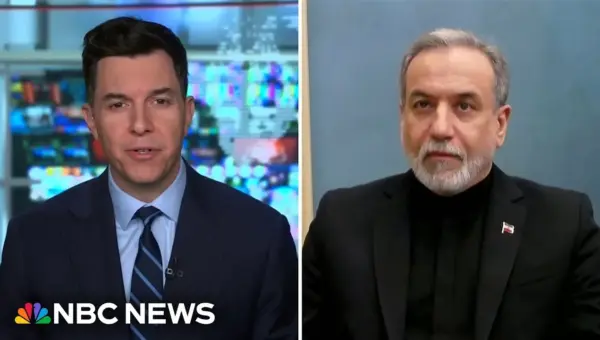
Iran Minister: Escalating Middle East Conflict Threatens Global Stability
Iranian Foreign Minister Mohammad Javad Zarif warned of escalating Middle East conflict threatening global stability in an exclusive interview. He urged diplomacy and restraint amid heightened regional tensions and discussed Iran's nuclear program and the impact of sanctions.


Miller’s Iran War Defense: A Desperate Echo of Bush-Era Rhetoric
Stephen Miller's defense of potential military action against Iran revives decades-old grievances, drawing parallels to George W. Bush's 'War on Terror' rhetoric. Critics argue this justification contradicts Trump's anti-war platform and risks perpetuating conflict.