Iran Conflict Fuels Inflation, Threatens Mortgages and Pensions
A conflict in Iran is disrupting vital shipping lanes, fueling inflation fears and impacting global markets. The economic fallout could lead to higher mortgage rates for homeowners and increased costs for consumers, though savers might see some benefits.

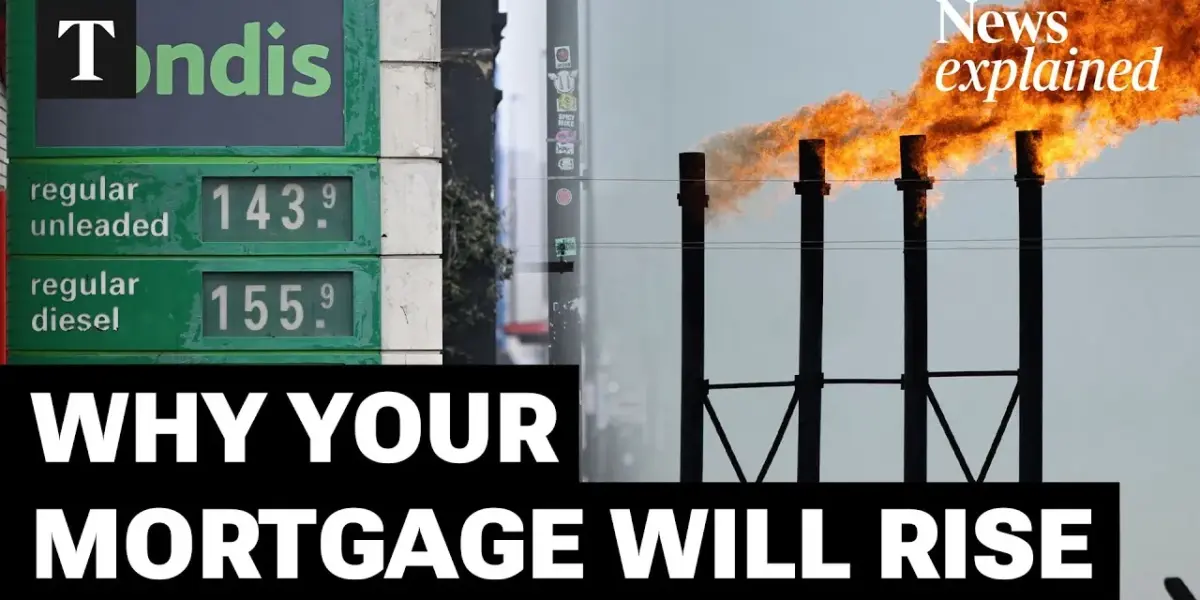
Global Markets Brace for Impact as Iran Conflict Disrupts Trade
A growing conflict in Iran is sending shockwaves through the global economy, impacting everything from energy prices to the cost of everyday goods. The disruption, centered around a critical shipping lane, is fueling inflation fears and raising concerns about the financial stability of ordinary Americans. Stock markets have reacted negatively, ending the week with losses as investors grapple with the widening economic fallout.
Strait of Hormuz Disruption Sparks Inflation Fears
The strategic location of the conflict is directly affecting major global trade routes. The Strait of Hormuz, a vital waterway that handles 20% of the world’s oil and a third of global fertilizer, has become a focal point of concern. Hundreds of ships are already reported to be backed up, creating significant delays and uncertainty in supply chains.
We have to reopen the Strait of Hormuz to ensure stability in the market.
The disruption to this key shipping lane means that rising costs for businesses may eventually be passed on to consumers. Farmers, in particular, face higher fertilizer prices, which could lead to increased costs for fruits and vegetables. Experts warn that a broad range of products will likely become more expensive as higher transport and energy costs force producers to raise their prices.
Energy Prices and UK Households Face Uncertainty
While the United Kingdom produces a significant portion of its own natural gas, global price spikes could still triple wholesale costs if shipping routes remain closed. This situation poses a threat to the energy price cap, which currently protects consumers. Although the existing cap is in place until June, a new cap set to be introduced in July might reflect these rising energy expenses.
The price of petrol and diesel is also expected to be volatile. Analysts estimate that for every $10 increase in the price of Brent crude oil, consumers could see their petrol costs rise by 7 pence per liter. These rising energy expenses contribute to broader inflation concerns.
Mortgage Rates and Property Market Under Pressure
Higher energy costs and inflation could lead to increased interest rates. This is particularly bad news for the property market. Mortgage rates are closely tied to swap rates, which are essentially the rates banks use to lend to each other. Since the conflict began, swap rates have been on the rise, potentially leading to higher mortgage rates for millions of homeowners.
Landlords may also face increased costs as higher borrowing expenses make it more expensive for them to manage their debts. This could have a knock-on effect on rental prices. For prospective buyers, securing financing for a home could become more difficult and costly, potentially cooling down the entire property market.
Investor Behavior Shifts Amidst Volatility
In times of economic uncertainty and conflict, investors often seek safer investments. Bank shares may initially see a dip due to market volatility. However, many investors tend to move their money into assets considered safe havens, such as gold. Other investors might turn to defensive sectors like utilities or food producers, which are known for their more predictable earnings even during economic downturns.
Potential Benefits for Savers and Pensioners
Despite the widespread negative impacts, there are some potential upsides for certain individuals. Higher interest rates, while bad for borrowers, can be good news for savings accounts. This could also lead to better annuity rates, which are important for those looking to secure a guaranteed income during retirement.
For individuals nearing retirement or already retired with a pension, it is crucial to ensure their investments are managed appropriately. A process called ‘lifestyling’ involves moving investments into less volatile markets as retirement approaches. This strategy helps protect the income stream that retirees rely on.
Global Interconnectedness Highlighted by Conflict’s Reach
The far-reaching effects of the conflict underscore the deep interconnectedness of the global economy. What happens in one region can quickly impact financial markets, consumer prices, and personal finances thousands of miles away. If the conflict continues, these economic pressures are likely to intensify, leading to further uncertainty for individuals and businesses worldwide.
Source: How Iran War Could Affect Mortgage Rates and Pensions (YouTube)

Related Articles

Stocks Ignore War Risks, Focus on “Taco Moments”
Stock markets appear to be overlooking the severe supply chain risks stemming from the Iran conflict, focusing instead on potential diplomatic de-escalations. While the S&P 500 shows resilience, bond and commodity markets signal deep concern over disruptions to critical resources like LNG, helium, and fertilizers.


Iran War Claims Ring Hollow as US Troops Injured in New Attack
Days after Donald Trump claimed "we've won" the war with Iran, a new attack injured approximately a dozen U.S. troops and damaged aircraft. This incident contradicts Trump's assertions of victory and raises serious questions about the strategy and reality of the ongoing conflict.


US Weighs Shifting Ukraine Weapons to Iran Amid Missile Shortage
The U.S. is reportedly considering diverting weapons destined for Ukraine to support operations against Iran, driven by rapidly depleted missile stocks. This potential shift raises concerns about Ukraine's defense capabilities and highlights the complex interplay between global conflicts.