Iran Conflict: Ex-MI6 Chief Warns of Spreading Pain
Former MI6 Director Nigel Inkster warns that Iran's conflict strategy aims to "spread the pain" globally, making casualties "inevitable." The former intelligence chief discusses potential Russian involvement in drone attacks and the growing threat of Iran-backed plots on UK soil.

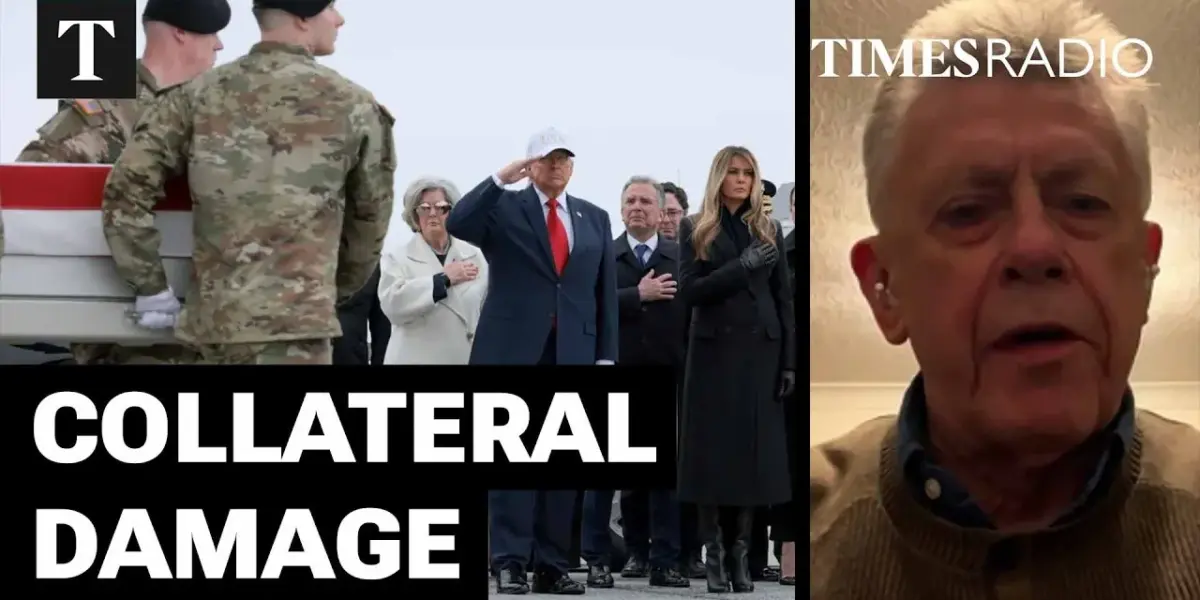
Ex-MI6 Director Warns of Escalating Iran Conflict and ‘Inevitable’ Casualties
In the escalating conflict with Iran, former MI6 Director Nigel Inkster has warned that casualties are “inevitable” and that Iran’s strategy is to “spread the pain as far and wide as possible.” The grim assessment comes as Iran’s new supreme leader vowed to avenge fallen Iranians, and a British military base in Iraq was targeted by an Iranian drone swarm. The situation raises significant concerns for national security, particularly in the UK.
Iran Vows Retaliation, Targets UK Base
Iran’s new supreme leader, Ayatollah Mushtaba Khamenei, delivered a stark message via state television, vowing to avenge the “blood” of Iranians killed in the ongoing conflict. He also issued a warning to neighboring countries hosting U.S. bases. This pronouncement coincided with an Iranian drone attack on a British military base in Iraq. UK Defense Secretary John Healey confirmed that a team had been actively engaged in downing drones and enhancing defenses in the region since January, in response to Iran’s “indiscriminate and widespread” attacks.
“From day one of this conflict… we’ve had a team at the base in Heriel that’s been pulling down drones, protecting themselves but also protecting the base and other service people that they serve with there. It’s part of a big operation stepping up our defenses in the region from January onwards.” – John Healey, UK Defence Secretary
Russia’s Potential Role and Iran’s Asymmetric Strategy
Nigel Inkster, former Director of Operations and Intelligence at the Secret Intelligence Service and now a Senior Fellow at the International Institute for Strategic Studies, suggested that Russia may be providing intelligence to Iran for its drone attacks. Inkster views this as a retaliatory measure by Russia for Western intelligence support to Ukraine. He believes Iran’s core strategy is to inflict widespread pain, aiming to fatigue international support for U.S.-Israeli actions and ultimately compel a de-escalation.
Inkster also elaborated on the potential evolution of the conflict. “The United States and Israel are sooner or later going to run out of credible military targets and actually may have to try and conserve their ammunition,” he stated. He anticipates that Iran may increasingly resort to asymmetric warfare, including acts that could be characterized as terrorism, to achieve its objectives.
Threats on the Home Front: UK Vulnerabilities
The rhetoric from Iran’s new supreme leader, suggesting the opening of new, vulnerable fronts against adversaries, raises concerns about potential repercussions on the UK’s home front. A 2023 House of Commons briefing highlighted that Iranian state-backed threats are “wide-ranging, persistent, and unpredictable,” with security agencies tracking over 20 “potentially lethal Iran-backed plots” in the UK in the past year alone.
Inkster acknowledged the existence of sympathetic individuals and networks within the UK that Iran could potentially exploit. He also pointed to Iran’s global networks of Shia sympathizers, including concentrations in areas like the tri-border region of South America and parts of West Africa, as potential resources for its operations.
“We have to assume that that probability does exist… there are within the UK people who are sympathetic to the Iranian cause… We’ve also seen indications that the Iranian intelligence services have been trying to recruit other actors, criminals to undertake these activities.” – Nigel Inkster
Intelligence Efforts and Unforeseen Casualties
Despite the significant number of thwarted plots, Inkster noted that UK intelligence services have, to date, maintained reasonable coverage of these activities. However, he cautioned that it remains unclear whether this success is due to deep penetration of Iranian networks or the relative amateurism of the Iranian operations themselves.
The discussion also touched upon an unconfirmed report of a U.S. plane being lost, not necessarily due to hostile action, but underscoring Inkster’s earlier point about the inevitability of casualties in conflict. “Well, there already have been casualties,” Inkster reiterated, referencing earlier reports of higher-than-expected American casualties in Kuwait. “And this is inevitable in a conflict. I mean, in any military activity, even in military training exercises, you will get casualties, but in a real life conflict like this, such casualties are inevitable.”
Future Outlook: Escalation or De-escalation?
As the conflict continues to unfold, the focus remains on whether Iran’s strategy of spreading the conflict will succeed in pressuring adversaries to de-escalate, or if it will lead to further escalation and increased risks for nations involved, including potential blowback on the UK’s home front. The effectiveness of intelligence operations in countering these threats and the potential for unforeseen casualties will be critical factors to monitor in the coming weeks and months.
Source: ‘American Casualties Are Inevitable’ | Former MI6 Director Breaks Down Trumps Operation In Iran (YouTube)

Related Articles

G7 Allies Clash Over Iran War Strategy, Urge Focus on Russia
G7 foreign ministers met in Paris, revealing deep divisions over the U.S. war with Iran. European allies urged the U.S. to pressure Russia, linking its actions to the conflict and fearing support for Ukraine will wane.


US Must Block China’s Tech Access for Security
US national security experts are raising alarms about China's access to advanced AI chips, arguing it threatens strategic advantages. This, coupled with charges against Chinese entities for fentanyl precursor sales and a ban on foreign routers, signals a growing effort to prioritize security over business ties.

Iran Blocks China Ships, Exposing Beijing’s Weak Grip
Iran's recent decision to block Chinese ships at the Strait of Hormuz is exposing the limits of Beijing's influence in the Middle East. This action is causing delays and cancellations for Chinese manufacturers, turning a perceived geopolitical win into an economic strain.