Iran Conflict Escalates: US Weighs Ground War, Diplomatic Off-Ramps Narrow
Concerns are mounting over potential U.S. ground operations in Iran, with lawmakers questioning the lack of Congressional approval and the risk of a protracted conflict. Iran claims it can still inflict pain despite strikes, while diplomatic options appear increasingly narrow.

Iran Conflict Escalates: US Weighs Ground War, Diplomatic Off-Ramps Narrow
New reports suggest the Pentagon is preparing for weeks of ground operations inside Iran. This comes as President Trump has not sought official approval from Congress for military action. The potential for a long and costly war is raising serious concerns among lawmakers.
Concerns Over Congressional Approval and Funding
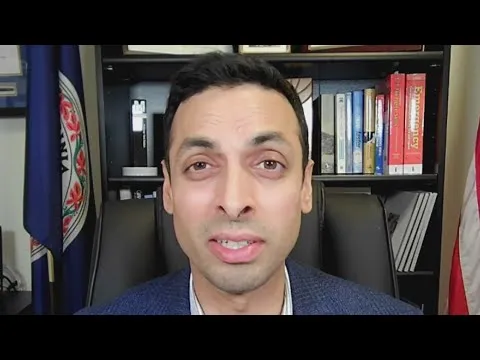
Democratic Representative from Virginia, who spoke on NewsNation Prime, confirmed hearing significant chatter on Capitol Hill about potential ground troop deployments. “We’re hearing a lot of chatter about that,” the Representative stated. A major point of contention is that the President has not asked Congress for authorization to wage this war. Furthermore, the administration is reportedly considering a budget of $200 billion for these operations. This has led to worries that the conflict could become a prolonged engagement, lasting much longer than initially suggested.
Opposition to Ground Troops
The Representative voiced strong opposition to sending U.S. ground troops into Iran. “I do not support U.S. troops on the ground,” they stated clearly. An exception might be made for a very specific and limited mission. However, the Representative believes that starting this war was a mistake. They argued that better diplomatic solutions should have been pursued. While acknowledging Iran is a difficult country to negotiate with, the current approach has, paradoxically, strengthened Iran rather than weakening it.
Iran’s Perceived Strength Despite Strikes
Despite reports of successful U.S. strikes on Iranian leadership and key missile facilities, Iran claims it can still inflict pain on the U.S. and its allies. The Representative explained that Iran’s strategy involves leveraging its position. For example, they might block passage through the Strait of Hormuz, a vital oil shipping route. This action, which wasn’t happening as much before, would give Iran more power in any future negotiations. The belief is that Iran feels emboldened, making them more likely to act aggressively.
Risky Uranium Extraction Mission
Further complicating matters, a Wall Street Journal report indicates President Trump is considering options to extract 1,000 pounds of uranium from Iran. This mission is described as complex and risky, requiring troops on the ground for an extended period. The Representative expressed concern about this plan as well. They noted that Iran has many different sites, and even with good intelligence, reaching them would be difficult and dangerous. Such an operation would require significant military assets and carries a high risk of failure or escalation.
Limited Diplomatic Options
Looking ahead, the situation presents a difficult path for de-escalation. One potential off-ramp involves the President working with Congress to find a diplomatic solution. However, the current administration’s approach has made Iran less willing to negotiate. It’s also unclear who in Iran could agree to a deal, as leadership has become more regionalized. Even if a deal is struck with top leaders, it’s uncertain if regional commanders would comply. Questions also remain about the long-term control of the Strait of Hormuz and how a unilateral U.S. withdrawal would be perceived by Iran.
Global Impact
The potential for a prolonged ground war in Iran carries significant global implications. A conflict could disrupt global oil markets, particularly by threatening the Strait of Hormuz. This would likely lead to higher energy prices worldwide. Furthermore, a drawn-out conflict could destabilize the entire Middle East region, potentially drawing in other actors and increasing the risk of wider regional war. The economic strain on the U.S. from such an operation would also be substantial, diverting resources from domestic priorities.
Historical Context
The current tensions echo past conflicts and diplomatic struggles in the region. The history of U.S.-Iran relations has been marked by periods of hostility and uneasy detente since the 1979 revolution. Previous U.S. administrations have also faced difficult decisions regarding military intervention versus diplomatic engagement in the Middle East. The debate over seeking Congressional authorization for military action has a long history, stemming from the War Powers Resolution of 1973, which aims to limit the president’s ability to commit U.S. forces to armed conflict without congressional consent.
Economic Leverage and Dependencies
Economic factors play a crucial role in this geopolitical standoff. Iran’s ability to threaten the Strait of Hormuz highlights its control over a critical global energy chokepoint. U.S. sanctions have aimed to cripple Iran’s economy, but their effectiveness in forcing policy changes is debated. The potential for increased oil prices due to conflict could impact global economies, creating leverage for oil-producing nations and economic pressure on importing countries.
Future Scenarios
Several future scenarios are possible. One is a full-scale U.S. ground invasion, which the Representative believes would be disastrous. Another is a continued series of targeted strikes with no clear objective, potentially leading to a stalemate. A diplomatic resolution, though difficult, remains a possibility if both sides find a way to de-escalate. Finally, a U.S. withdrawal without a clear agreement could lead to further instability and embolden Iran. The most likely scenario, given the current rhetoric and preparations, appears to be a prolonged period of high tension and potential for limited clashes, rather than an immediate full-scale invasion or a swift diplomatic breakthrough.
Source: Rep. Subramanyam: Trump’s actions signal a ‘drawn‑out war’ in Iran | NewsNation Prime (YouTube)

Related Articles


US Border Crisis Stalls, Iran Tensions Flare Amidst Stalemate
U.S. lawmakers are on recess, leaving TSA workers unpaid amidst a DHS funding stalemate. Simultaneously, tensions with Iran are rising, with reports of potential U.S. ground operations clashing with diplomatic talks.


Trump’s Mideast Gamble Fuels Global Oil Crisis
Escalating U.S.-Iran tensions have triggered a global oil crisis, sending prices soaring and forcing nations to ration fuel. Iran's oil revenue is up despite battlefield pressure, while storage limits loom for producers. This instability threatens widespread economic disruption and highlights the human cost of conflict.

US Strikes Iran’s Power Grid, Airport in Escalating Conflict
US and Israeli forces have launched significant strikes against Iran, targeting the nation's electrical grid and Marabad Airport. These attacks aim to cripple the regime's communication and operational capabilities, potentially paving the way for ground operations and reopening key shipping lanes.