Iran Conflict Escalates: US Strikes Intensify Amidst Leadership Questions
Escalating tensions in the Middle East see intensified U.S. strikes on Iran amidst questions about the health of its new Supreme Leader. The conflict's economic impact is felt globally, with rising oil prices and threats to the Strait of Hormuz, while the U.S. grapples with domestic concerns over the war's objectives and severe weather.

Iran’s Leadership Questioned Amidst Escalating Middle East Conflict
The Middle East is on a knife’s edge as the conflict with Iran intensifies, marked by escalating U.S. strikes and renewed questions surrounding the health of Iran’s new Supreme Leader. Reports from Iran’s state news agency, quoting the Iranian President’s son, claim the new Supreme Leader is safe and healthy. This assertion follows earlier reports, including one from The New York Times citing unidentified Iranian and Israeli officials, suggesting Mojtaba Khamenei had been injured in recent attacks. U.S. defense officials have declined to comment on these specific reports, emphasizing instead the U.S. military’s ongoing operational timeline.
U.S. Intensifies Strikes, Iran Retaliates
In a significant escalation, U.S. forces have launched what Defense Secretary Pete Hegseth described as the most intense day of strikes inside Iran, utilizing a greater number of fighters, bombers, and refined intelligence. This offensive action comes as Tehran has retaliated with its own waves of attacks against Israel and the Persian Gulf. The Israeli Defense Forces urged citizens to stay sheltered amidst the heightened hostilities.
“Today will be yet again, our most intense day of strikes inside Iran. The most fighters, the most bombers, the most strikes, intelligence more refined and better than ever.”
Devastation in Lebanon and Economic Ramifications
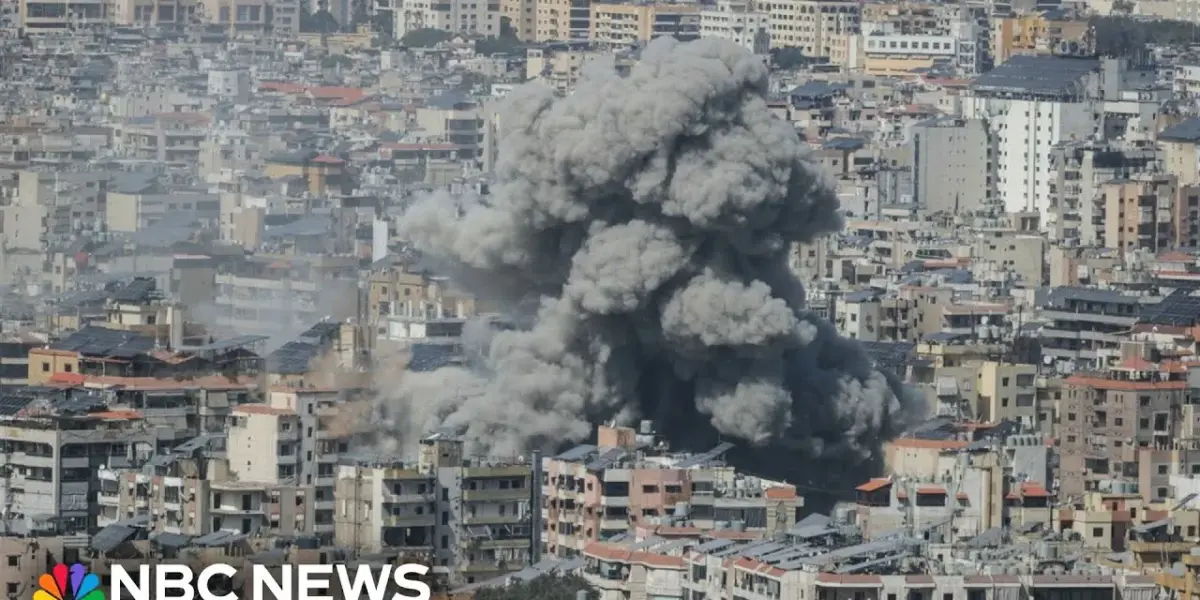
The widening conflict has not spared Lebanon, where Israeli strikes targeting the Iranian-backed militant group Hezbollah have resulted in widespread destruction. Reports indicate that nearly 500 people have been killed and thousands injured in these operations. Back in the United States, the geopolitical tensions have directly impacted the economy, with oil prices experiencing volatility. President Trump has threatened severe repercussions, including “fire and fury,” should Iran continue to threaten the Strait of Hormuz, a critical waterway for global oil transport. Iran, in turn, has vowed to prevent any oil from leaving the Middle East until U.S. and Israeli attacks cease.
Strait of Hormuz: A Vital Chokepoint
The U.S. military has released video footage showcasing strikes on suspected Iranian mine-laying ships in the Strait of Hormuz, underscoring the strategic importance of this maritime passage. The ongoing confrontation highlights the delicate balance of power and the significant economic leverage Iran attempts to wield through its control over this vital shipping channel.
Divergent U.S. and Israeli Objectives
Analysis from the region suggests a potential divergence in objectives between the United States and Israel regarding the conflict’s ultimate aims. While the U.S. appears to be pursuing a more comprehensive approach, potentially aiming for regime change or a more permanent political solution in Iran, Israel’s primary focus is reportedly on neutralizing Iran’s military capabilities and its ability to threaten Israel and its allies. This difference in vision could shape the long-term strategy and potential outcomes of the ongoing engagement.
Washington’s Mixed Messaging and Congressional Concerns
In Washington, the White House has faced criticism for what appears to be mixed messaging regarding the war’s timeline and objectives. While President Trump has described the operation as a “little excursion” that would conclude soon, he has also stated that the U.S. has “not won enough.” Press Secretary Karoline Leavitt clarified that the determination of Iran’s “unconditional surrender” rests with President Trump, who will decide when Iran no longer poses a credible threat. However, this stance has drawn concern from some members of Congress. A classified briefing on the war left some lawmakers, like Senator Richard Blumenthal, “dissatisfied and angry,” particularly regarding the potential deployment of U.S. troops and the significant human cost, with seven U.S. service members already killed and 140 injured in the past 12 days.
Nation-Building Debate on Capitol Hill
The debate over the U.S. role in Iran has also surfaced on Capitol Hill, with House Speaker Mike Johnson expressing reservations about nation-building efforts. Johnson advocates for peace through strength but opposes interventionism, a sentiment echoed by Congressman Michael McCaul, who remarked, “We’re good at breaking things. We’re not good at rebuilding them.” This perspective contrasts with President Trump’s earlier description of the operation as the “beginning of building a new country.”
Economic Impact on American Consumers
The conflict’s economic fallout is palpable for American consumers, with gasoline prices climbing significantly since the war began. The average price per gallon has risen by $0.55, with California experiencing prices well above $5 a gallon. This surge in fuel costs is impacting daily life, particularly for those in transportation and delivery services, and poses challenges for farmers facing increased expenses for fuel and fertilizer. The disruption to oil markets, exacerbated by the closure of the Strait of Hormuz, suggests that prices may continue to rise.
Severe Weather Strikes the Midwest
Beyond the international conflict, the United States is also grappling with severe weather. Powerful storms, including tornadoes, have swept across the Midwest, from Indiana to Illinois. The region experienced heavy hail, with reports of ice chunks the size of baseballs. In Kankakee, Illinois, a tornado caused significant damage, ripping trees from their roots and downing power lines. Northwest Indiana has also been hit hard, with confirmed fatalities reported by the state’s Department of Homeland Security. Meteorologists warn of continued severe weather threats, including the potential for strong tornadoes, heavy rain, and flash flooding across various parts of the country in the coming days.
Looking Ahead
As the situation in the Middle East remains volatile, attention will be closely fixed on the health and actions of Iran’s leadership, the effectiveness of U.S. and Israeli military strategies, and the diplomatic efforts to manage the escalating conflict. Domestically, the economic consequences of the oil market disruptions and the ongoing severe weather events will continue to be a primary concern for American citizens and policymakers.
Source: This Morning’s Top Headlines – March 11 | Morning News NOW (YouTube)

Related Articles

Iran War: An ‘Israeli Expansionist Project,’ Activist Claims
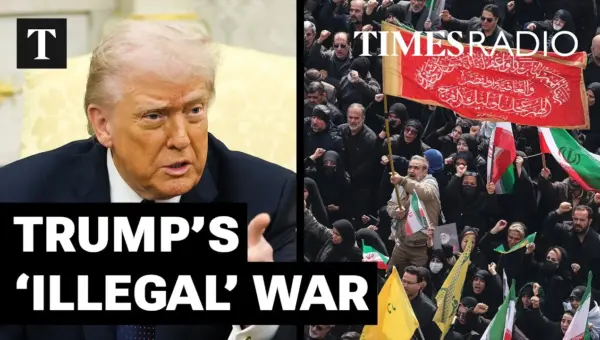
An activist has described the ongoing conflict in Iran as an 'Israeli expansionist project,' facilitated by the U.S. Susan Tamasi highlighted the devastating humanitarian impact, including the destruction of civilian homes and the erosion of women's rights. She criticized external calls for regime change, arguing that military interventions have historically led to chaos and destruction, not liberation.

Global Conflict Ignites: Is Trump’s Iran War a Catalyst?
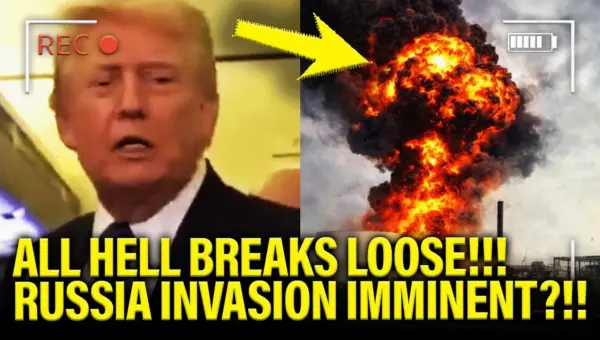
A provocative analysis suggests the conflict in Iran, under the Trump administration, is a catalyst for global war, potentially drawing in Russia and destabilizing regions from the Baltics to East Asia. The piece highlights shifting alliances, strategic vulnerabilities, and Ukraine's evolving role in drone warfare, painting a grim picture of escalating international tensions.

Middle East Conflict Halts 7 Million Barrels of Oil Daily
The Middle East conflict has triggered substantial oil supply disruptions, with 7 million barrels per day curtailed due to shipping insecurity and infrastructure threats. Analysts warn the economic repercussions could be prolonged, even if immediate hostilities cease.