Iran Conflict Escalates: US Eyes Retaliation, Global Tensions Rise
Escalating conflict in Iran sees intensified military action, a leadership crisis, and rising casualties, sparking global concerns. President Trump's ambiguous statements on domestic retaliation and shifting policy demands add to the volatile geopolitical landscape.

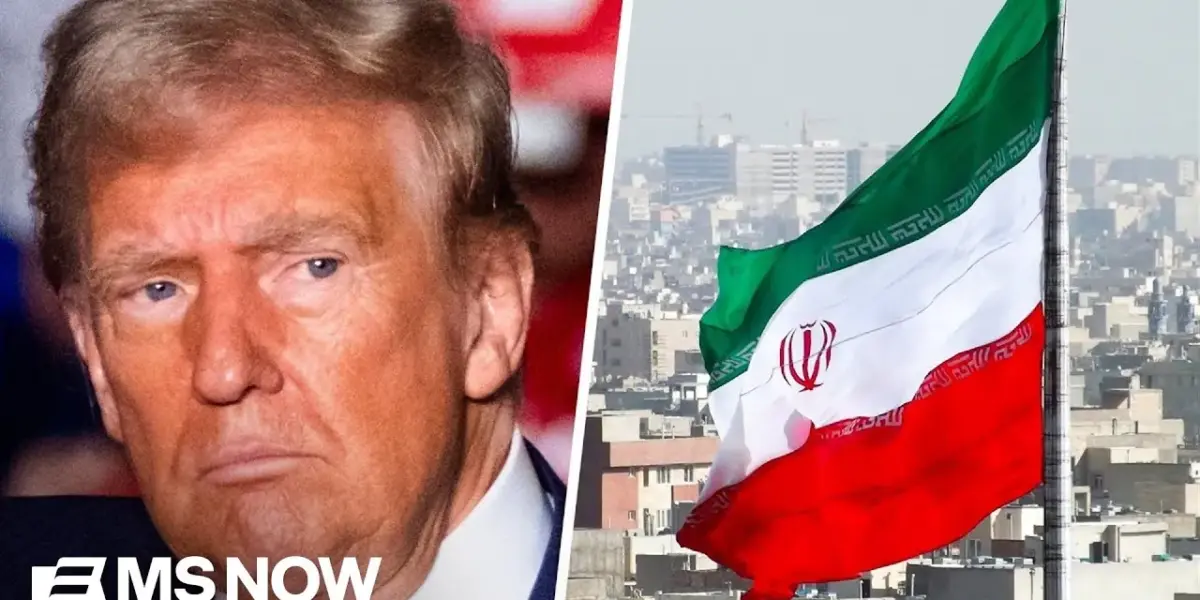
Iran Under Siege: Escalating Conflict and Global Ramifications
In a rapidly developing geopolitical landscape, Iran finds itself at the epicenter of escalating conflict, facing intensified military action from its neighbors and the United States, while grappling with internal turmoil and a looming leadership vacuum. The situation, marked by a severe communications blackout within Iran, has raised global concerns about potential retaliatory attacks and the broader implications for international stability. The United States, under President Trump, has signaled a prolonged engagement, with the President himself suggesting Americans should “guess” if they need to worry about attacks on home soil, a statement that has drawn criticism for its perceived flippancy amidst grave international threats.
Intensified Military Operations and Rising Casualties
Reports indicate that Iran and its proxy Hezbollah in Lebanon are facing sustained military pressure. Neighboring countries, including the UAE, have reported being targeted by hundreds of ballistic missiles and drones. The human cost is mounting, with over 1300 reported deaths in Iran and at least 200 children killed across the Middle East since the conflict began, according to UNICEF. The ongoing communications blackout in Iran, now in its sixth day, has obscured the full extent of the damage and the situation on the ground, while simultaneously fueling speculation about the succession of the Supreme Leader.
The Succession Crisis and Potential Leadership Contenders
The death of the Supreme Leader has triggered a leadership crisis within Iran, with the ruling council reportedly meeting to discuss the path forward. However, details remain scarce due to security concerns. The Israeli government has declared its intent to eliminate any successor to the Ayatollah, adding another layer of complexity to the internal power struggle. Former President Trump has expressed a desire to influence the selection process, a move that has been met with skepticism regarding its feasibility and implications.
“The Israelis have said that they would take out whoever the successor to the Ayatollah is.”
Internal Resistance and Mobilization Efforts
Amidst the external pressures and internal uncertainty, there are indications of organized opposition within Iran. The National Council of Resistance of Iran has reported an increase in the activities of its resistance units, targeting what they term “centers of repression,” such as IRGC district command centers. While the extent of their support and organization remains unclear, these efforts highlight a segment of the Iranian population seeking change. However, the overall strength of the opposition and the current regime’s support base are still subjects of intense observation.
Regional Spillover and International Military Deployments
The conflict’s potential to spread beyond Iran’s borders is a significant concern. European nations, including France and Britain, are deploying additional military assets to the region, including jets and a nuclear aircraft carrier. The U.S. base on Cyprus, now a target of Iranian drones, underscores the heightened risk for these allied nations. Australia has also been drawn into the fray, with reports of its nationals aboard a U.S. submarine involved in an incident that resulted in the deaths of 87 Iranian sailors, raising fears of further escalation and broader international involvement.
Economic Warfare and Strategic Calculations
Iran’s strategy appears to be centered on increasing the economic cost for the global community, thereby pressuring the United States to cease its airstrikes. Global oil prices have seen a significant rise of approximately 30 percent since the conflict’s inception, and U.S. stock markets have experienced volatility. The UAE’s move to freeze billions in Iranian assets represents a substantial economic blow. However, this strategy risks backfiring if it prompts further consolidation of opposition among Gulf states. The Iranian leadership’s calculus seems to be based on outlasting President Trump’s term, believing that if the regime remains intact by the end of his proposed airstrike duration, they will have achieved a form of victory.
Shifting Arab Gulf Perceptions
The actions of Iran, particularly its attacks on civilian infrastructure in places like Dubai, have fundamentally altered the perception of Iran among Arab Gulf countries. Previously, nations like Dubai served as economic conduits for Iran. Now, these countries increasingly view Iran as untrustworthy, marking a potentially permanent shift in regional dynamics. This change in attitude suggests a growing consensus against Iran’s current policies and a diminished hope for appeasement or containment.
President Trump’s Rhetoric and Strategic Disconnect
President Trump’s public statements regarding the conflict have been a subject of considerable debate. His response to questions about American safety, suggesting “I guess” when asked if citizens should worry about retaliatory attacks, has been criticized as dismissive. Furthermore, his shifting rhetoric, from demanding “unconditional surrender” to suggesting a desire to “cut a deal” with the current Iranian leadership, has created a disconnect between the administration’s stated objectives and realistic policy. Experts point out the impracticality of demanding unconditional surrender without a significant troop deployment, and the unlikelihood of the U.S. dictating Iran’s next leader, drawing parallels to the situation in Venezuela, which is considered an unlikely scenario in Iran.
“Americans should definitely be concerned about the terrorism threat from Iran. They have a long history of supporting terrorism, and that could be one of the ways that Trump could respond.”
The Front-Runner for Supreme Leader: A Dangerous Prospect?
Speculation is rife regarding the succession of the Supreme Leader, with Mojtaba Khomeini, the son of the late Ayatollah, considered a front-runner. Acquaintances describe him as highly intelligent, deeply ideological, and possessing violent inclinations, potentially more so than his father. His close ties to the military and security services, coupled with a hard-line, possibly millenarian, stance, raise concerns about his potential leadership. His views on nuclear weapons are also a point of alarm; unlike his father, who issued a fatwa against their use, Mojtaba is perceived as being less inhibited, especially if Iran feels cornered.
Uncertainty and Future Outlook
The ongoing conflict presents a complex and volatile situation with far-reaching implications. The effectiveness of Iran’s economic pressure tactics, the potential for wider regional conflagration, and the internal power dynamics within Iran remain critical areas to monitor. The disconnect between President Trump’s rhetoric and the Pentagon’s stated military objectives suggests a lack of clear strategy. As the situation evolves, the world watches to see if Iran’s strategy of outlasting the current U.S. administration will succeed, and whether the internal resistance movements can gain significant traction against a deeply entrenched regime. The potential rise of a hard-line leader like Mojtaba Khomeini could further destabilize an already precarious region.
Source: Trump on whether Americans should worry about retaliatory Iran attacks at home: 'I guess' (YouTube)

Related Articles


Presidential Slumber Amidst Global Conflict: A Nation’s Concern
A President's apparent struggle to stay awake during a conference, while regional conflicts escalate, raises serious questions about leadership and national security. This analysis explores the geopolitical context, contrasts administrations, and discusses the implications of perceived presidential disengagement.


Presidential Slumber Amidst Escalating Global Conflict
Observed presidential fatigue during a critical period of escalating global conflict raises serious questions about leadership priorities and the human cost of war. As regional tensions surge, the commander-in-chief's apparent disengagement from vital meetings and dismissive attitude towards casualties sparks widespread concern.


Trump’s Iran Policy: From ‘Never Again’ to Regional War
Governor Gavin Newsom criticizes former President Trump's "cluelessness" on Iran, highlighting a pattern of inconsistent rhetoric and actions that have led to regional war, economic instability, and human cost. The shifting justifications for escalation underscore a lack of strategic clarity with profound global implications.