Iran Conflict Escalates: US Deploys Troops Amid Shifting Sanctions
As the U.S. sends troops to the Middle East amid escalating tensions with Iran, conflicting messages emerge regarding objectives and strategy. Simultaneously, shifts in sanctions policy and Iran's demonstrated capabilities raise concerns about regional stability and global economic impacts.

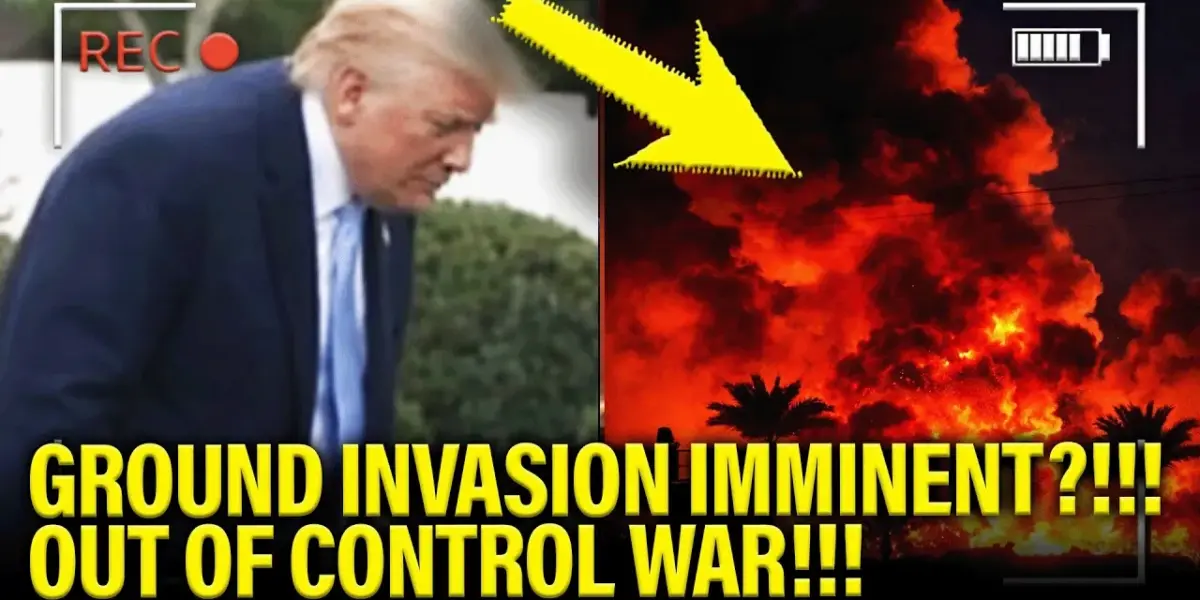
US Sends Troops as Iran Conflict Intensifies
The United States is sending military forces, including elements of the 82nd Airborne Division, to the Middle East. This move follows the deployment of the USS Boxer Amphibious Ready Group and about 2,500 Marines. More troops from Japan are also expected to arrive in the Persian Gulf region soon. These actions suggest a significant escalation in the ongoing conflict with Iran.
Conflicting Messages from Leadership
Amid these military deployments, President Trump made a social media post suggesting the U.S. was nearing its objectives and considering reducing its military presence. He stated goals like degrading Iran’s missile capabilities and defense industry, and preventing nuclear development. However, he also indicated the U.S. would not be policing the Strait of Hormuz, leaving it to other nations. This statement seems at odds with the troop movements, creating confusion about the administration’s strategy.
Sanctions Policy Shifts Amid Military Action
In a surprising development, the U.S. Treasury Department has issued a 30-day sanction waiver for Iranian oil. This allows nations to buy oil loaded before March 20th. This waiver, as explained by Gregory Brew, permits Iranian oil to be brought into the U.S. for the first time since the 1990s. This policy shift happens while the U.S. is in a state of conflict with Iran, and follows the lifting of oil sanctions against Russia, which has benefited from increased oil sales.
Iran’s Response and Regional Impact
Iran has responded to the escalating tensions with direct actions. Drone strikes have hit Kuwait’s largest refinery, causing fires and forcing a shutdown of affected units. Iraq has declared a ‘force majeure’ on its oil fields operated by foreign companies, meaning it may suspend output and export obligations due to the war. Iran has also warned of attacks on facilities in the United Arab Emirates, stating they have been used for actions against Iran.
Iran’s Missile Capabilities and Global Reach
Reports indicate Iran has targeted the U.S. base at Diego Garcia in the Indian Ocean with ballistic missiles. While the missiles did not hit the base, this event is significant because Diego Garcia is approximately 4,000 kilometers from Iran. This suggests Iran’s long-range missile capabilities may be more advanced than previously assessed, potentially capable of reaching targets in central Europe.
Historical Context: Grenada Invasion Comparison
The Marine force being sent to the region is roughly the same size as the force used to invade Grenada in 1983. This comparison highlights the potential scale of operations being considered, especially when contrasted with the populations of the areas Iran might be considering for operations, such as Kashm Island or cities along the coast. The troop numbers seem small for occupying a country of 90 million people.
Economic Repercussions and Market Volatility
The escalating tensions in the Middle East are impacting financial markets. U.S. inflation expectations have surged, and markets have shifted from expecting interest rate cuts to anticipating rate hikes. Billions of dollars have been wiped off the U.S. stock market due to the Middle East situation. This economic uncertainty adds another layer of complexity to the ongoing conflict.
Why This Matters
The current situation presents a deeply concerning picture of escalating conflict and uncertain leadership. The simultaneous deployment of troops and the issuance of sanction waivers create a confusing and potentially dangerous policy environment. Iran’s demonstrated ability to strike targets far from its borders, coupled with its responses in the economic and energy sectors, shows a capacity for asymmetric warfare that poses a significant challenge. The reliance on conflicting public statements and the lack of clear strategy raise questions about the long-term stability of the region and the effectiveness of U.S. foreign policy. The economic fallout, both domestically and internationally, adds further pressure to find a de-escalation pathway.
Implications and Future Outlook
The current trajectory suggests a continued period of high tension and potential for further military engagements. The effectiveness of U.S. sanctions is being undermined by waivers, and Iran’s ability to disrupt regional energy supplies and strike distant targets presents a serious threat. The international community faces a challenge in managing this conflict, especially given differing interests, such as China’s reliance on the Strait of Hormuz. The lack of a clear, unified strategy from the U.S. leadership could lead to prolonged instability and unintended consequences.
Source: Trump PANICS as GROUND INVASION IMMINENT in WAR!!! (YouTube)

Related Articles


G7 Allies Clash Over Iran War Strategy, Urge Focus on Russia
G7 foreign ministers met in Paris, revealing deep divisions over the U.S. war with Iran. European allies urged the U.S. to pressure Russia, linking its actions to the conflict and fearing support for Ukraine will wane.
Iran Blocks China Ships, Exposing Beijing’s Weak Grip
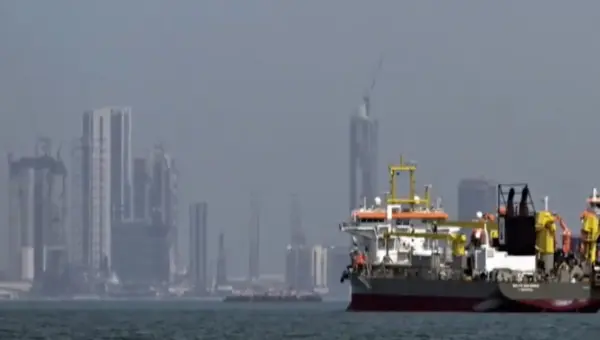
Iran's recent decision to block Chinese ships at the Strait of Hormuz is exposing the limits of Beijing's influence in the Middle East. This action is causing delays and cancellations for Chinese manufacturers, turning a perceived geopolitical win into an economic strain.
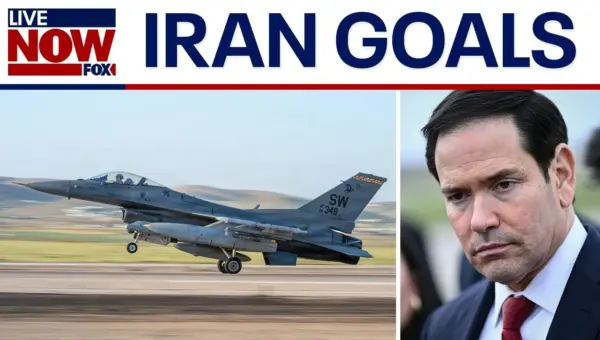
Rubio: US Can Achieve Iran War Goals Without Troops
Senator Marco Rubio outlined a strategy to counter Iran without deploying U.S. ground troops, focusing on weakening the regime and enhancing maritime security. He also criticized Cuba's economic system and expressed concerns about West Bank violence.