Iran Conflict Escalates: Military Expert Analyzes Regional War
An Israeli airstrike on Iran's Supreme Leader has ignited a wider regional conflict, with military expert Mark Urban analyzing the diverse weaponry and strategies employed by Iran and its adversaries. The conflict's duration and ultimate outcome hinge on factors like 'magazine depth' and the U.S.'s ambiguous objectives.

Iran Conflict Engulfs Region After Airstrike; Military Expert Weighs In
In a dramatic escalation of regional tensions, an airstrike targeting Iran’s Supreme Leader has ignited a broader conflict, drawing in multiple nations and prompting a detailed analysis of the military forces involved. The strike, reportedly executed by Israeli forces based on intelligence from the CIA, has been described as a significant display of U.S. and Israeli military and intelligence capabilities. Mark Urban, a columnist for The Sunday Times, provided insights into the unfolding situation, highlighting the critical role of intelligence in such “decapitation operations” and the potential long-term consequences for Iran and its proxies.
Unprecedented Scale and Unpredictable Strategy
The current conflict’s scale is being compared to historical U.S. interventions in the Middle East. While the 1991 Gulf War involved a significantly larger U.S. military footprint, including over half a million personnel and numerous aircraft carriers, the current operation is characterized by its reliance on air power, missiles, and a more covert approach. Urban notes that the absence of a large ground force deployment raises questions about U.S. objectives, particularly if internal strife in Iran leads to calls for intervention that the U.S. may not be logistically positioned to provide. This strategy, focused on air and missile power, is deemed a “unique and unpredictable experiment” by Urban.
Iran’s Weaponry and Regional Retaliation
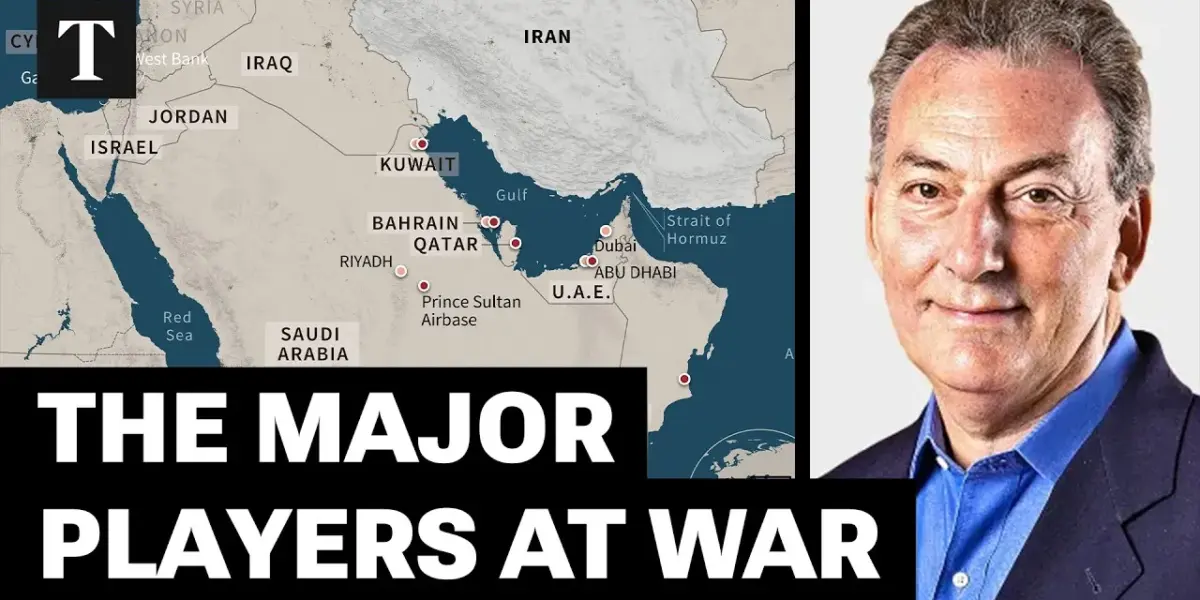
Following the airstrike, Iran has retaliated by launching strikes across the region, impacting at least nine countries, including members of the Gulf Cooperation Council such as Kuwait, Qatar, and the United Arab Emirates, as well as Oman, which had been mediating. A drone landing near a British base in Cyprus further underscores the widening scope of the conflict. Urban details Iran’s “panoply of weaponry,” including heavy ballistic missiles capable of devastating large areas and shorter-range missiles and drones that can now reach previously unaffected Gulf states. The ongoing battle is described as a dynamic exchange between American and Israeli air power attempting to neutralize Iranian launch sites and Iran’s persistent missile and drone attacks.
The ‘Magazine Depth’ Dilemma: A War of Attrition?
A crucial factor in the conflict’s duration is the concept of “magazine depth” – the available stock of advanced weaponry. Urban explains that sophisticated air defense systems, such as Patriot and THAAD missiles, are expensive and produced slowly. With a significant portion of existing U.S. stocks already depleted from supporting other global conflicts, the ability to sustain operations becomes a critical consideration. While U.S. and Israeli technological superiority is evident, Iran’s strategy may be geared towards a “marathon rather than a sprint,” leveraging its vast number of relatively inexpensive drones. The economic rationale of shooting down cheap drones with costly missiles is questioned, although the potential for significant damage to infrastructure, such as oil facilities or airports, could justify the expenditure.
Potential for Wider Contagion and Unforeseen Objectives
The conflict’s “contagion” is a significant concern. Beyond direct exchanges between Iran and its adversaries, Urban points to the potential for actions by Iran-backed militias in Iraq and Houthi forces in Yemen. The possibility of Iranian sleeper cells being activated globally to target U.S. and Israeli interests adds another layer of complexity. Regarding U.S. objectives, Urban highlights the ambiguity surrounding President Trump’s ultimate goals. While some speculate about toppling the Iranian regime, Trump’s statements have also alluded to a swift resolution and potential deals. This leaves open the extraordinary possibility of a ceasefire or settlement with the current Iranian authorities, potentially aimed at relieving Western sanctions, even as the rhetoric suggests a desire to dismantle the regime.
Uncertainty Clouds Future and U.S. Strategy
The profound uncertainty surrounding Iran’s ultimate aims and the U.S.’s precise objectives makes it difficult to assess who currently holds the upper hand. The effectiveness of the means being employed by the U.S. and its allies against the unpredictable ends desired remains a critical, unanswered question. The ongoing dynamic, characterized by intelligence gathering, rapid strikes, and counter-retaliation, underscores the volatile and unpredictable nature of this escalating regional confrontation.
Source: Iran Conflict Becomes Regional – Security Expert Analyses Which Military Forces Are Involved (YouTube)

Related Articles


Drapes Over Diplomacy: Trump’s Priorities Under Fire
Donald Trump's focus on drapes and building aesthetics over the human cost of military action against Iran has drawn sharp criticism. The lack of a consistent narrative from his administration regarding foreign policy raises concerns about leadership priorities and accountability.
Pentagon Hints at Iran Ground Troops: ‘Go As Far As We Need’
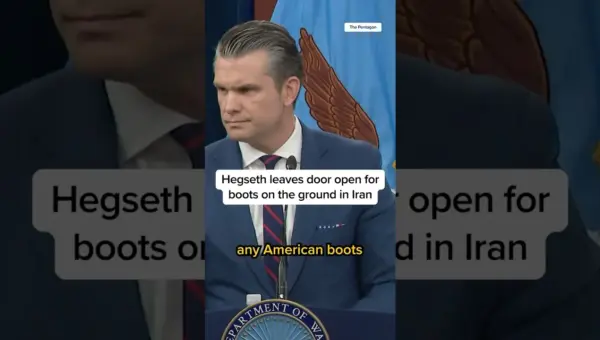
Defense Secretary Pete Hegseth has refused to rule out deploying U.S. ground troops into Iran, stating "We'll go as far as we need to go." The ambiguous comment from the Pentagon raises concerns about potential military escalation in the volatile Middle East region.

Trump Predicts Iran Operation Lasting Weeks, Cites Rapid Progress
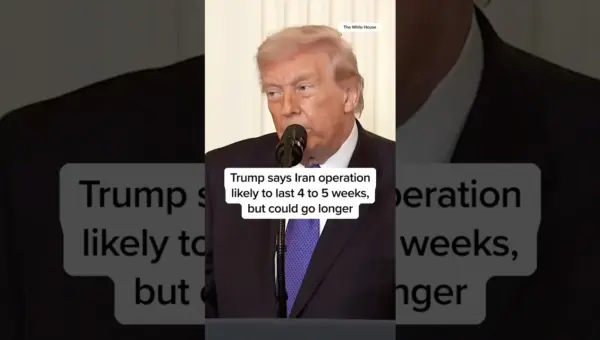
President Donald Trump stated that the U.S. military operation in Iran is progressing ahead of schedule and is likely to conclude within four to five weeks. He emphasized the nation's capability to extend the operation if necessary, signaling flexibility in strategic planning.