Iran Conflict Escalates: Global Repercussions Felt in Europe, Ukraine
The escalating conflict involving Iran is creating a volatile international landscape, with repercussions now being felt across Europe and impacting the war in Ukraine. Concerns are mounting over potential disruptions to global trade and energy supplies. The coming weeks will be critical in determining the path towards de-escalation and global stability.

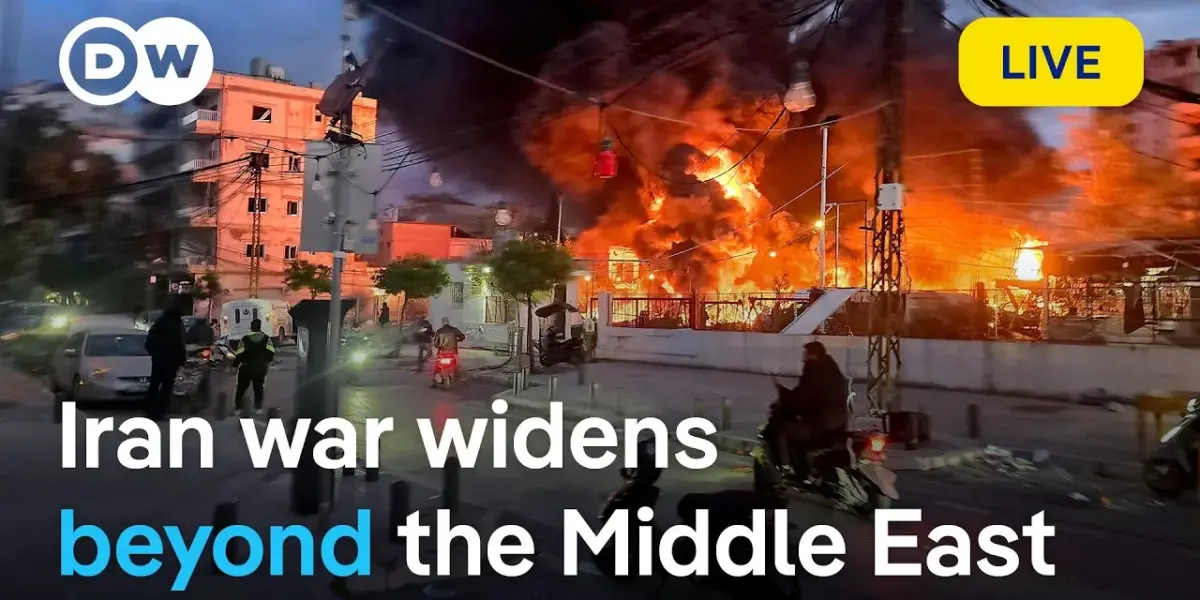
Global Tensions Surge as Iran Conflict’s Ripple Effects Spread
The escalating conflict involving Iran is sending shockwaves far beyond the Middle East, with significant repercussions now being felt across Europe and impacting the ongoing war in Ukraine. The complex geopolitical situation, characterized by the United States’ involvement alongside Israel, has created a volatile international landscape, prompting widespread concern about regional stability and potential global economic disruptions.
US-Israel Alliance and Regional Dynamics
The United States’ continued alignment with Israel in the face of regional tensions has been a central element in the unfolding crisis. This alliance, while longstanding, is now under intense scrutiny as the conflict broadens its scope. The involvement of Iran, a key player in the Middle East, introduces a layer of complexity that threatens to destabilize an already fragile region. Analysts are closely monitoring the strategic implications of this dynamic, particularly concerning Iran’s influence and its relationships with various non-state actors.
Economic and Political Fallout in Europe
Europe, a continent heavily reliant on global trade and energy supplies, is already experiencing the economic and political fallout from the conflict. Concerns are mounting over potential disruptions to vital shipping routes, particularly in the Persian Gulf, which could lead to increased energy prices and inflationary pressures. Diplomatic efforts are underway, with European nations urging de-escalation and seeking pathways to maintain stability. The interconnectedness of the global economy means that instability in one region can rapidly translate into challenges for others, and Europe is acutely aware of these vulnerabilities.
Impact on the War in Ukraine
The ripple effects of the Iran conflict are also extending to the war in Ukraine, adding another layer of complexity to an already protracted and devastating conflict. While the direct links may not be immediately apparent, geopolitical realignments and shifts in international focus can have indirect consequences. For instance, any diversion of military or diplomatic resources towards the Middle East could potentially alter the strategic calculus for actors involved in the Ukraine war. Furthermore, global energy market volatility, exacerbated by Middle Eastern tensions, can affect the economic capacity of nations supporting Ukraine. The intricate web of international relations means that crises in one part of the world can inadvertently influence events elsewhere, underscoring the interconnected nature of modern security challenges.
Broader Geopolitical Implications and Future Outlook
The escalating conflict involving Iran serves as a stark reminder of the fragility of international peace and security. The potential for miscalculation, escalation, and the involvement of multiple state and non-state actors creates a dangerous environment. The international community faces the daunting task of preventing a wider conflagration while addressing the underlying causes of the current tensions. The coming weeks and months will be critical in determining whether diplomatic channels can prevail over military confrontation and how the global order will adapt to these evolving challenges. The focus remains on de-escalation, humanitarian concerns, and the long-term implications for regional and global stability.
Source: Live: Iran war — ripple effects reach Europe, Ukraine and beyond | DW News (YouTube)

Related Articles
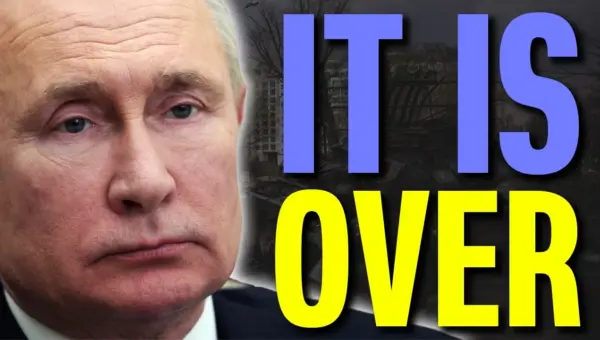
Ukraine War: Russia’s Gains Slow Amid Global Pressures
Recent analysis reveals Russia's incremental territorial gains in Ukraine are slow and costly, overshadowed by mounting global pressures. Events from rising energy prices to internal staffing shortages suggest the conflict is entering a more complex and potentially unsustainable phase for Moscow.

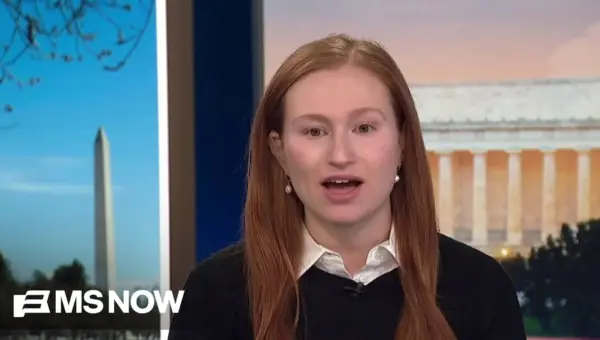
Gen Z Questions Foreign Policy Amidst Iran Conflict
Defense Secretary Pete Hegseth faced criticism for downplaying media coverage of the Iran conflict, while young voters express a mix of support and unease. Gen Z's skepticism towards institutions and a desire for stability shape their nuanced views on foreign policy.

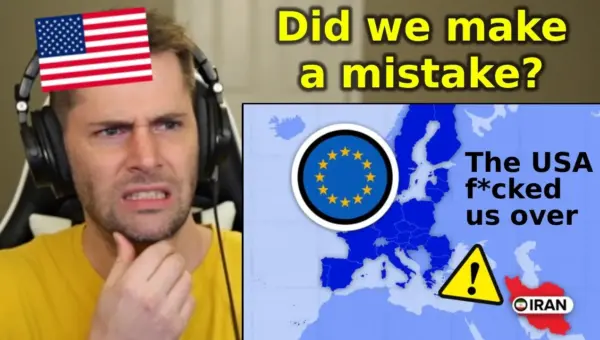
Europe’s Crisis: US Actions Ignite Regional Instability
A critical analysis reveals that European nations view escalating U.S.-Iran tensions as a direct threat, not a distant conflict. Unilateral U.S. actions risk dragging Europe into war, destabilizing its economy, and undermining its security interests.