Iran Conflict Disrupts Global Drug Supply, Oil Prices Surge
The escalating conflict involving Iran is causing major disruptions to global air cargo routes, threatening shortages of life-saving medicines like cancer treatments. Concurrently, oil prices have surged above $15 per barrel due to attacks on key infrastructure near the Strait of Hormuz, impacting global supply chains.


Iran Conflict Sparks Global Drug Shortages, Oil Prices Jump
The escalating conflict involving Iran is creating a dual crisis, disrupting the global supply of life-saving medicines and sending oil prices soaring. Pharmaceutical companies are issuing stark warnings about the impact of the war on critical air cargo routes, particularly those used for transporting temperature-sensitive medications like cancer treatments. These vital drugs often transit through major Middle East logistics hubs, including Dubai and Doha, which are now experiencing significant disruptions due to the ongoing hostilities.
Threat to Pharmaceutical Supply Chains
The reliance on Middle Eastern hubs for the transit of temperature-controlled pharmaceuticals presents a significant vulnerability. Pharmaceutical manufacturers are concerned that if the current situation persists, hospitals globally could face shortages of essential treatments within weeks. This disruption highlights the fragility of global supply chains for critical healthcare products, underscoring the need for resilient logistics networks.
Spreading Conflict and Infrastructure Attacks
The conflict’s reach is extending across the Gulf region, with recent drone strikes targeting key infrastructure. Dubai International Airport, one of the world’s busiest aviation hubs, has been directly impacted. Furthermore, attacks have occurred in Fujairah, United Arab Emirates, a crucial global export hub situated near the Strait of Hormuz. The Strait of Hormuz is a critically important energy choke point, with approximately 20% of the world’s oil and gas flowing through this narrow waterway daily.
Market Reactions: Oil and Beyond
Global energy markets have reacted swiftly to the heightened tensions. Oil prices have surged, surpassing the $15 per barrel mark. This rise in energy costs has far-reaching implications beyond gasoline prices at the pump. It directly impacts the cost of transportation, chemicals, fertilizers, agricultural production, and the broader global supply chain infrastructure. Businesses across various sectors are bracing for increased operational expenses.
Geopolitical Response and Reluctance
In response to the threats to shipping routes, the United States has called upon other nations to dispatch warships to secure passage through the Strait of Hormuz. However, major allies such as Japan and Australia have already declined to participate, and other countries appear hesitant to become directly involved. This reluctance underscores the complex geopolitical landscape and the potential for limited international cooperation in resolving the crisis.
What Investors Should Know
- Supply Chain Vulnerability: The conflict exposes the critical dependence on specific geographic regions for essential goods, particularly pharmaceuticals. Investors should monitor companies with significant exposure to Middle Eastern logistics and those reliant on temperature-controlled shipping.
- Energy Price Volatility: The surge in oil prices indicates heightened geopolitical risk premium in energy markets. This volatility can impact corporate earnings across sectors, from transportation and manufacturing to agriculture and consumer goods.
- Inflationary Pressures: Rising energy costs are a key driver of inflation. Investors should consider how sustained higher energy prices could affect consumer spending and corporate profit margins.
- Geopolitical Risk: The limited international response to securing shipping lanes suggests that geopolitical risks may persist, potentially leading to further market uncertainty and supply disruptions.
Long-Term Implications
The events unfolding in the Gulf have profound long-term implications. The disruption to pharmaceutical supply chains may necessitate a global re-evaluation of logistics strategies, potentially leading to diversification and increased investment in alternative routes and storage solutions. Similarly, the volatility in energy markets could accelerate the transition towards renewable energy sources and reduce reliance on traditional fossil fuels. The geopolitical stalemate also raises questions about the future of international cooperation in managing global crises.
What began as a regional conflict has evolved into a significant global concern, impacting essential medical supplies, energy markets, and international trade. The interconnectedness of global systems means that instability in one region can have cascading effects worldwide, demanding careful monitoring and strategic adaptation from businesses and investors alike.
Source: This is Serious (YouTube)

Related Articles

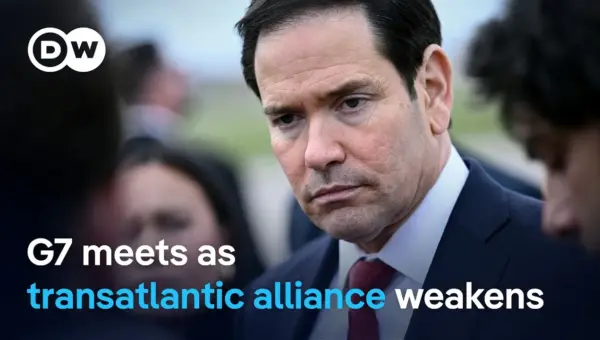
G7 Allies Clash Over Iran War Strategy, Urge Focus on Russia
G7 foreign ministers met in Paris, revealing deep divisions over the U.S. war with Iran. European allies urged the U.S. to pressure Russia, linking its actions to the conflict and fearing support for Ukraine will wane.
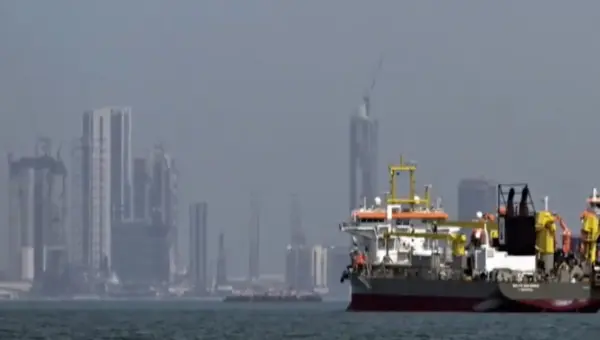
Iran Blocks China Ships, Exposing Beijing’s Weak Grip
Iran's recent decision to block Chinese ships at the Strait of Hormuz is exposing the limits of Beijing's influence in the Middle East. This action is causing delays and cancellations for Chinese manufacturers, turning a perceived geopolitical win into an economic strain.
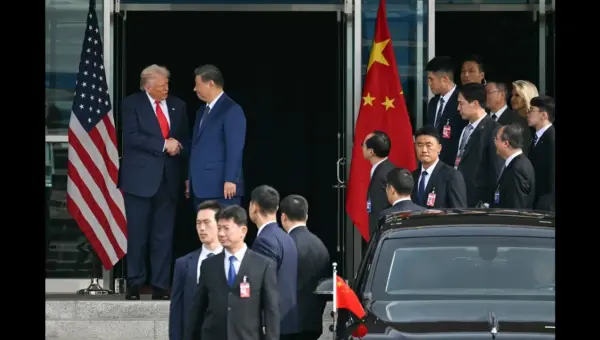
Trump’s “Walk Away” Tactic Signals Tougher Stance on China
Retired Air Force Brigadier General David Stillwell believes President Trump's strategy of being willing to walk away from negotiations puts pressure on China. This tactic, combined with US global actions and strengthened alliances, signals a more assertive American foreign policy.