Iran Conflict Backfires: Trump’s War Fuels Unrest, Profits
Donald Trump's approach to Iran is reportedly backfiring, fueling public unrest in Tehran and sparking accusations of family members seeking to profit from a new drone company. The conflict's economic impact is evident with disruptions to oil infrastructure, while political rhetoric focuses on internal divisions.

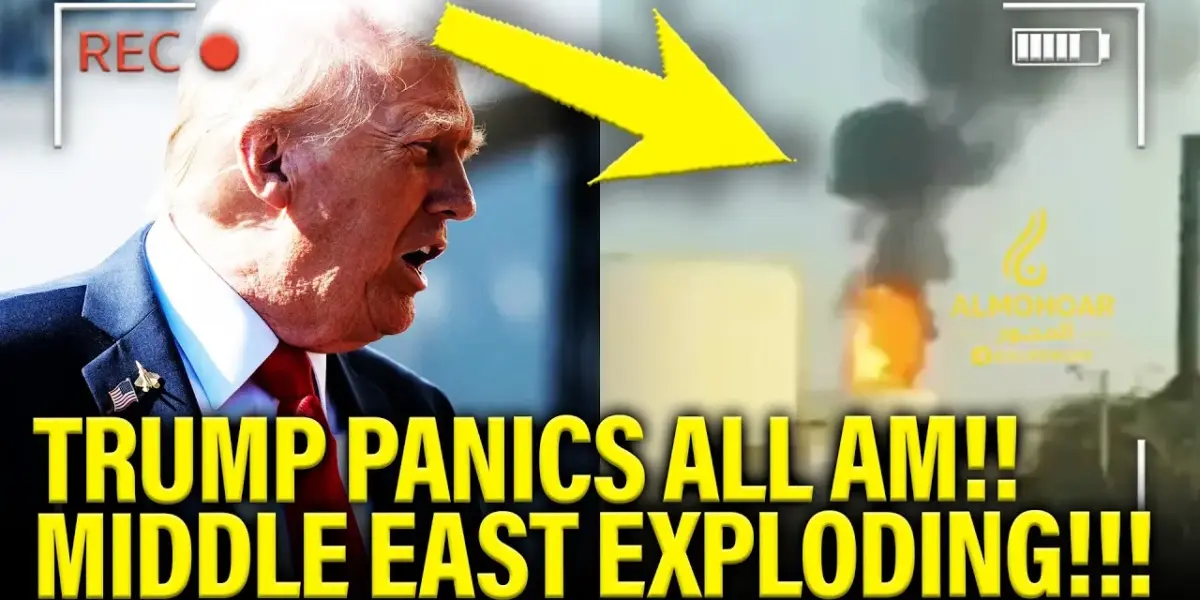
Trump’s Iran Strategy Sparks Unrest and Unease
The current geopolitical climate surrounding Iran has become a focal point of intense scrutiny, with accusations that Donald Trump’s approach has backfired, fueling public dissent and creating a volatile environment. Reports suggest that in Tehran, significant crowds have gathered, not only welcoming the selection of a new Ayatollah but also openly condemning the United States. Images from the revolutionary square depict widespread protests against what is perceived as Trump’s war, raising questions about the intended outcomes versus the actual consequences of US foreign policy.
Allegations of Exploitation and Conflict of Interest
Adding a layer of controversy to the situation is the revelation that Donald Trump’s sons are reportedly backing a new drone company, ‘Poweris,’ with ambitions for Pentagon contracts. This development, first reported by The Wall Street Journal, comes at a time when the US is reportedly seeking assistance from Ukraine regarding drone warfare. The timing has led to accusations that the Trump family is seeking to profit from escalating global tensions, potentially at the expense of international stability and even allies like Ukraine. The transcript highlights a perceived pattern of prioritizing personal financial gain amidst broader suffering, with American markets reportedly tanking and oil prices surging.
Economic Ramifications and Political Posturing
The conflict’s impact extends to the global economy, with reports of Bahrain’s state oil company, Bapco, declaring force majeure due to an Iranian attack that set its refinery ablaze. This incident has disrupted contractual obligations, underscoring the tangible economic fallout of the escalating tensions. Amidst these critical developments, Donald Trump’s public statements and social media activity have drawn criticism. His posts, which include reposting memes critical of Democratic politicians and calling for ‘cleaning house’ from ‘leftist agitators,’ are interpreted by some as a deflection tactic. The emphasis on political infighting, while the region faces instability and economic disruption, has been characterized as a deliberate strategy to damage political opponents, particularly with midterm elections on the horizon.
Hypocrisy and Shifting Alliances
A particularly stark point of contention raised is Trump’s call for asylum for the Iranian women’s soccer team, while simultaneously being accused of deporting Iranians from the US back to Iran, where they may face persecution or death. This perceived double standard is highlighted as an example of prioritizing political messaging over consistent humanitarian policy, and using international incidents to attack political rivals, in this case, Australia.
“The US has intercepted encrypted communication believed to have been originated in Iran that may serve as an operational trigger for sleeper assets outside the country… Iran may be activating sleeper terrorist cells in retaliation for Donald Trump’s invasion.”
State Media and Provocative Rhetoric
The analysis extends to media narratives, with Fox News being labeled as ‘state regime media.’ A segment featuring host Brian Kilme is cited, where he allegedly encouraged ship captains to patriotically transit the Strait of Hormuz, despite the risks posed by the conflict. This is framed as a provocative stance that could further escalate tensions and endanger lives, while simultaneously suggesting that the administration’s actions are intended to drive up oil prices, which could then necessitate drawing from the strategic oil reserve. The transcript also notes the administration’s $20 billion maritime reinsurance plan, intended to assure shippers amidst the fear-driven market conditions.
International Reaction and Regional Discontent
The sentiment that the conflict has backfired is echoed by international figures. An Emirati billionaire, Kalaf Ahmad Al-Habur, reportedly criticized Senator Lindsey Graham’s calls for Gulf Cooperation Council countries to join the war. Al-Habur articulated that the region is aware of the reasons for the attacks and that hasty American decisions have embroiled the region in conflict without consultation. He stated that while the Iranian threat is recognized, the current situation is a ‘dirty game’ where powers clash at the expense of the Middle East. He emphasized that the UAE and GCC countries will not enter a war to serve the interests of others and will not sacrifice their sons in a conflict that could have been avoided through diplomacy. The billionaire also challenged the notion of US protection, framing arms sales as a massive industry rather than a favor, and noted the US’s own reliance on acquiring weapons from other nations.
Political Framing of Conflict and Economic Impact
The political framing of the situation within the US is also under examination. JD Vance’s characterization of the situation as a ‘conflict’ rather than a ‘war’ is noted, particularly in the context of mourning fallen American soldiers. Similarly, Tom Emmer’s description of the situation as a ‘short-term experience’ is presented alongside concerns about rising oil prices and their domestic economic impact. The transcript concludes by highlighting the ongoing nature of the situation and the intention to provide continuous updates.
Why This Matters
This analysis underscores the complex and potentially counterproductive nature of foreign policy decisions. The situation in Iran, as presented, suggests that military actions, rather than achieving stated objectives, may be exacerbating regional instability, fueling anti-American sentiment, and creating opportunities for financial gain by those connected to political power. The narrative questions the efficacy of a strategy that appears to alienate potential allies, disrupt global economies, and provoke retaliatory actions, all while being perceived by some as driven by self-interest rather than national security or diplomatic resolution. The potential for escalating conflict, the economic repercussions, and the ethical questions surrounding profit from war are critical issues that demand public attention and robust debate.
Implications, Trends, and Future Outlook
The implications of the current situation are far-reaching. The potential activation of ‘sleeper assets’ signals a heightened threat of terrorism, directly linked to the perceived escalation by the US. The economic disruption, exemplified by the attack on Bahrain’s refinery and surging oil prices, has global ramifications, impacting consumers and industries worldwide. The trend of political figures’ families potentially profiting from conflict raises serious ethical questions and could erode public trust. Looking ahead, the situation highlights the persistent challenge of navigating complex international relations. The reliance on diplomatic solutions, as advocated by figures like the Emirati billionaire, versus a more militaristic approach, will likely continue to be a central debate. The future outlook hinges on whether de-escalation and negotiation can prevail over further confrontation, and whether international actors can find common ground to prevent the region from being drawn into a wider, devastating conflict.
Historical Context and Background
The current tensions between the US and Iran have deep historical roots, stemming from the 1953 coup that overthrew Prime Minister Mohammad Mosaddegh and installed the Shah, followed by the 1979 Iranian Revolution and the subsequent hostage crisis. Decades of strained relations, sanctions, and proxy conflicts have created a volatile dynamic. The Obama administration’s Joint Comprehensive Plan of Action (JCPOA) aimed to curb Iran’s nuclear program in exchange for sanctions relief, but the Trump administration’s withdrawal from the deal in 2018 and reimposition of stringent sanctions significantly escalated tensions. This recent period of conflict can be seen as a continuation and intensification of these long-standing adversarial dynamics, with actions and reactions feeding into a cycle of escalation.
Source: Trump PANICS as War BACKFIRES and CRIPPLES TERM!!! (YouTube)

Related Articles
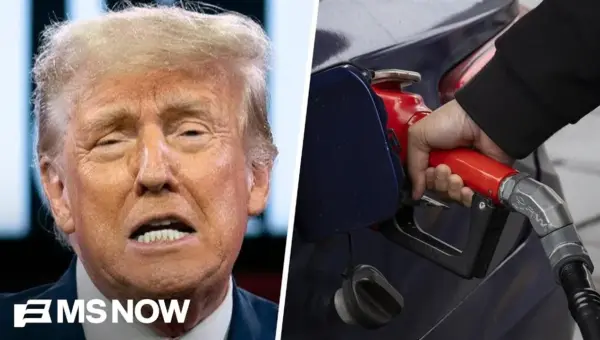
Gas Prices Surge: Americans Pay $200M More Daily Amidst Global Instability
Americans are now paying an additional $200 million daily for gasoline due to escalating global tensions and the closure of critical oil transit routes. The conflict's impact extends beyond fuel prices, affecting industries like agriculture and prompting significant financial aid requests from the government.
Cuban Exiles See Hope as Trump Targets Regime
Cuban exiles express profound hope as President Trump signals potential intervention in Cuba, likening the moment to a 'Berlin Wall moment.' Geopolitical experts weigh in on the challenges and potential diplomatic avenues, contrasting the situation with Venezuela and Iran.

Iran’s New Leader Wounded Amidst Escalating War and Sleeper Cell Fears
Iran's new Supreme Leader, Mostafa Kamani, has reportedly been critically wounded, sparking fears of internal instability and external intervention. Simultaneously, intelligence suggests Iranian sleeper cells may be activating, while Iran's firing on NATO forces escalates the conflict to a new, dangerous phase.