Iran Conflict: A ‘War of Choice,’ Analyst Argues
An analyst speaking with DW News challenges the Western narrative on Iran, arguing that the current conflict is a "war of choice" driven by specific political leaders rather than an unavoidable threat. The analysis suggests Iran has been on the defensive while facing internal and external pressures.

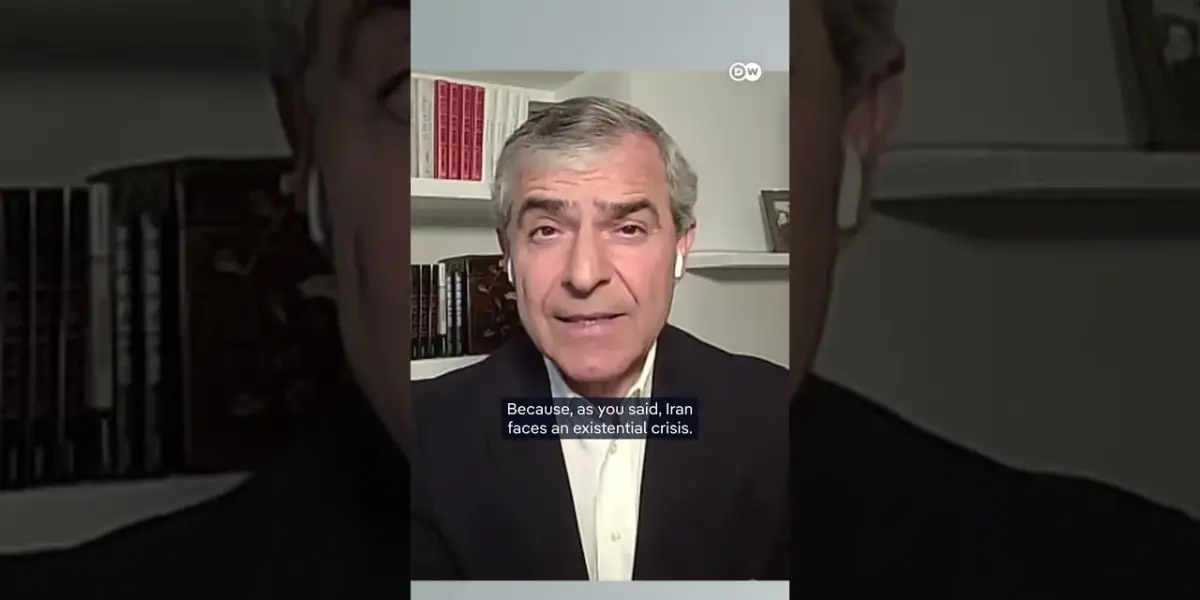
Iran Conflict: A ‘War of Choice,’ Analyst Argues
The escalating tensions and potential for wider conflict involving Iran have been framed by many in the West as an unavoidable response to a strategic threat. However, a recent analysis presented to DW News challenges this dominant narrative, suggesting that the current trajectory is, in fact, a “war of choice” driven by specific political actors rather than an inevitable confrontation.
Challenging the Dominant Narrative
The prevailing view in Western capitals, including Germany, often portrays Iran as an existential threat to Israel, the United States, and the broader West. This perspective frequently labels Iran as a “terrorist state” and inherently dangerous. Yet, according to the analyst speaking with DW News, the reality over the past few years paints a different picture. The assertion is that Iran has largely been operating on the defensive, while its adversaries, particularly Israel, have been engaged in continuous offensive actions across multiple fronts.
“The dominant narrative is that Iran is a terrorist state. Iran is dangerous. The reality is in the past few years, Iran really has been on the defensive as opposed on the offensive.”
These offensive actions by Israel are cited as extending into Lebanon, Syria, the West Bank, and Gaza, indicating a sustained campaign against Iranian interests and influence. This contrasts sharply with the portrayal of Iran as the primary aggressor, pushing for conflict.
Iran’s Defensive Stance and Existential Pressures
The analysis posits that Iran has made significant efforts to de-escalate and reach diplomatic solutions, evidenced by its willingness to make “painful concessions” to the United States in pursuit of a nuclear deal. This diplomatic push, the argument goes, stems from Iran’s own precarious internal and external situation. The country faces what is described as an “existential crisis,” a precarious position resulting from multiple pressures:
- Proximity to and ongoing conflict with Iraq.
- Significant internal popular opposition.
- The pervasive fear of an external war.
These factors, the analyst contends, necessitate a more cautious and defensive posture from Tehran, rather than an aggressive one that would provoke wider conflict. The pursuit of the nuclear deal, despite its difficulties, is presented as a clear indicator of Iran’s desire to avoid further escalation and manage its complex challenges through negotiation.
The ‘War of Choice’ Argument
The core of the analyst’s argument is that the current path towards potential conflict is not predetermined but rather a deliberate choice made by specific political leaders. The statement “this is a war of choice” is attributed directly to former U.S. President Donald Trump and Israeli Prime Minister Benjamin Netanyahu. This framing suggests that the escalation is driven by the political agendas and strategic decisions of these individuals, rather than by an objective, unavoidable threat posed by Iran.
The implication is that alternative paths exist, and that the current escalation is a result of policy decisions that could have been, and could still be, altered. The term “illegal” is also used in relation to this conflict, though the specific context or basis for this claim is not elaborated upon within the provided transcript excerpt. This suggests a critique of the legality or legitimacy of the actions leading to the current state of heightened tension.
Broader Implications and Context
Understanding the conflict with Iran through the lens of a “war of choice” has significant implications for international diplomacy and public perception. If the conflict is indeed a chosen path, it places greater responsibility on the decision-makers involved and opens avenues for de-escalation through political will and strategic re-evaluation. It also calls into question the dominant media narratives that often present such conflicts as inevitable outcomes of geopolitical forces.
The analysis encourages a more balanced reporting approach, urging audiences to consider counter-narratives and the complexities of the situation. It highlights the importance of questioning the framing of conflicts and understanding the motivations behind the policies that lead to war. The continuous offensive actions by Israel, as described, coupled with Iran’s defensive posture and internal vulnerabilities, paint a complex picture that deviates from the simplistic “aggressor vs. victim” dichotomy often presented.
Looking Ahead
The perspective that the current Iran conflict is a “war of choice” invites close scrutiny of the political decisions being made by key global leaders. As tensions remain high, attention will likely focus on diplomatic efforts, the internal political landscapes of Iran and its adversaries, and whether a shift in strategy away from escalation is possible. The international community’s role in encouraging dialogue and de-escalation will also be crucial in determining whether the current trajectory continues or if a different path can be forged.
Source: Iran war is a 'war of choice,' analyst tells DW | DW News (YouTube)

Related Articles

Iran Crisis Spikes Oil Prices, Threatens Global Energy Supply
Millions of barrels of crude oil are being held back daily from global markets, pushing prices up and threatening an energy crisis. The prolonged disruption highlights the world's continued dependence on fossil fuels and the geopolitical risks involved.
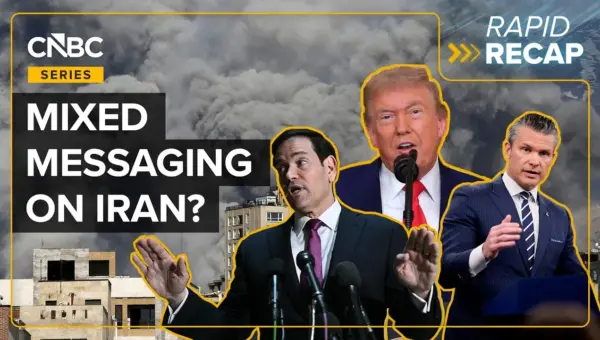
Iran Tensions Flare: US Vows “Annihilation” Amid Nuclear Fears
The Trump administration has adopted an aggressive tone towards Iran, vowing military action and highlighting concerns over the nation's nuclear ambitions. Officials cited "imminent threats" and Iran's development of missiles and drones as justifications for a preemptive stance.
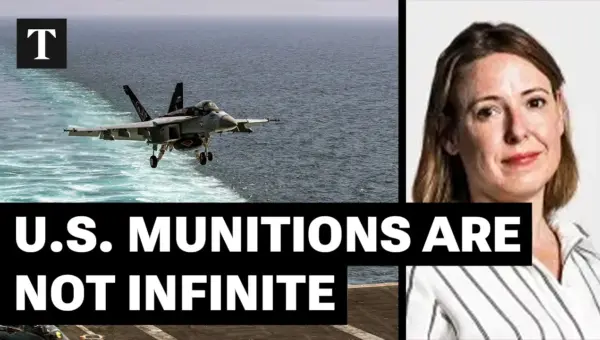
US Munitions Finite, Trump Claims Mislead Analysts
Analysis reveals that despite former President Trump's claims, U.S. munitions are not infinite, posing strategic challenges. UK forces successfully downed a drone, highlighting ongoing global security concerns and the costly economics of modern drone warfare.