Iran Confirms Supreme Leader Ayatollah Khamenei Killed in Strikes
Iranian state media has confirmed the death of Supreme Leader Ayatollah Ali Khamenei following reported strikes. This monumental event, reportedly involving the U.S. and Israel, signals a potential turning point for the region and raises significant questions about escalating conflict.

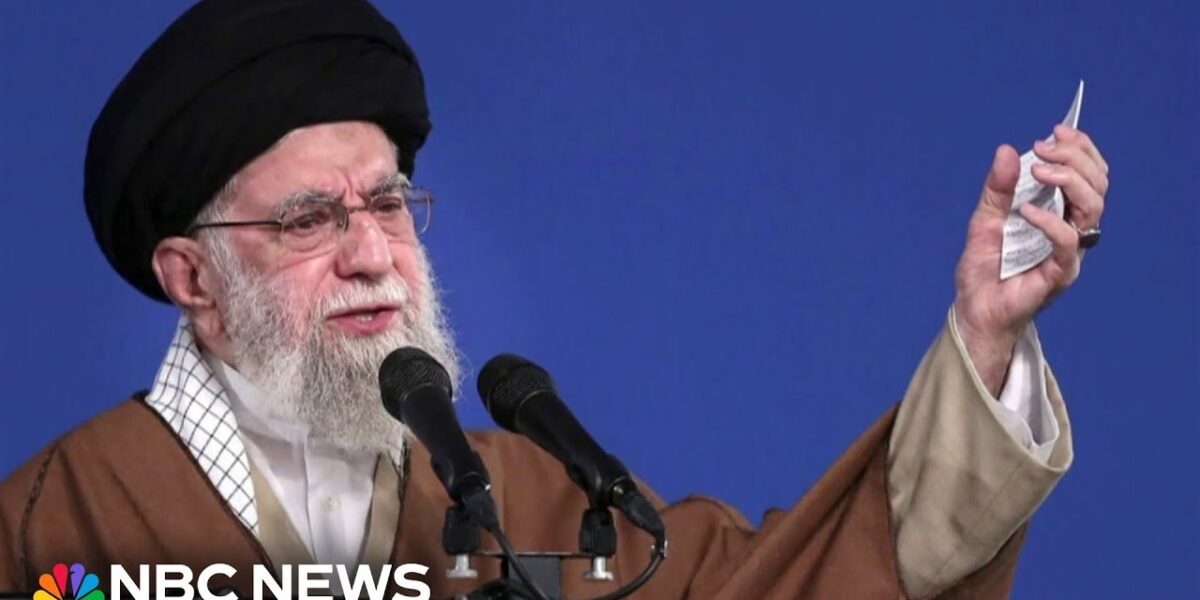
Iran Confirms Supreme Leader Ayatollah Khamenei Killed in Strikes
In a seismic development that has sent shockwaves across the globe, Iranian state media has confirmed the death of Supreme Leader Ayatollah Ali Khamenei. The confirmation follows earlier reports citing President Trump and Israeli Prime Minister Benjamin Netanyahu, marking a pivotal moment in regional and international affairs. Khamenei, who had held the ultimate authority in Iran since 1989, was reportedly killed in strikes, an event that Iranian state television has now acknowledged. This development is poised to dramatically reshape the geopolitical landscape of the Middle East and beyond.
A Historic Moment with Far-Reaching Implications
The confirmation of Ayatollah Khamenei’s death represents an unprecedented event, with the United States and Israel reportedly acting in concert. President Trump had alluded to intelligence suggesting Khamenei’s demise earlier in the day, and the subsequent acknowledgment from Iran’s state-run media solidifies the gravity of the situation. The loss of Iran’s supreme leader is expected to trigger significant political and strategic realignments within the country and across the volatile region.
“This may change the game completely for Iran, change the region. And from what we’ve seen now, this strike out and this killing of the Ayatollah has now started a regional war. Where it ends, we don’t know. How much further it goes from tonight and into the morning over there, we don’t know. But still a monumental moment.”
The immediate aftermath of the strikes and the confirmation of Khamenei’s death has raised immediate concerns about the potential escalation of conflict. Reports suggest that a regional war may have already been ignited, with its ultimate scope and duration remaining uncertain. The involvement of both the United States and Israel in the operation to eliminate Iran’s top leader is a historic, albeit highly consequential, undertaking.
Domestic Political Ramifications in Washington
While the international community grapples with the implications of Khamenei’s death, the political scene in Washington is also reacting. President Trump, currently at his Mar-a-Lago estate, is expected to return to Washington soon, with anticipation high for further White House statements. Meanwhile, within Congress, Democrats are signaling their intent to force a vote next week aimed at restricting the President’s war powers. However, with Republicans largely aligned with the President’s actions thus far, these efforts are not expected to significantly alter the current course, serving primarily as a platform for lawmakers to publicly register their opposition.
Uncertainty and the Path Forward
The confirmation of Ayatollah Khamenei’s death opens a Pandora’s Box of questions regarding the future trajectory of the conflict and the extent of American military involvement. The strategic vacuum left by Khamenei’s demise is likely to be filled by intense power struggles within Iran and a recalculation of alliances and rivalries throughout the Middle East. The international community will be closely monitoring all developments, particularly any official statements from the White House in the coming hours and days.
The coming days will be critical in understanding the immediate fallout, including potential retaliatory actions from Iran or its proxies, and how global powers will navigate this dramatically altered geopolitical landscape. The long-term consequences for regional stability, the global economy, and the future of Iran itself remain subjects of intense speculation and concern.
Source: Iranian state media confirms death of Ayatollah Ali Khamenei (YouTube)

Related Articles
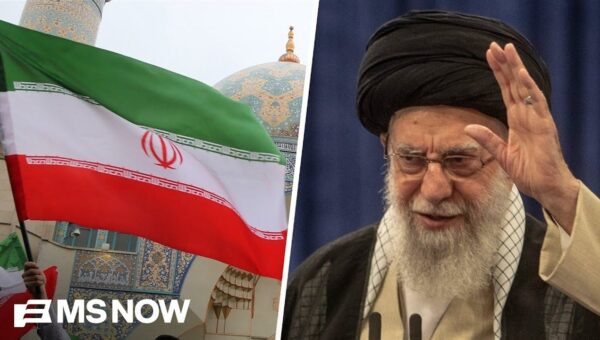
Iran Celebrates After Israeli Strikes Eliminate Top Leaders
Following Israeli airstrikes that reportedly killed Iran's Supreme Leader and top staff, celebrations have erupted among the Iranian diaspora. While a "monumental event," analysts caution against immediate expectations of a smooth democratic transition due to the IRGC's power and a divided opposition.

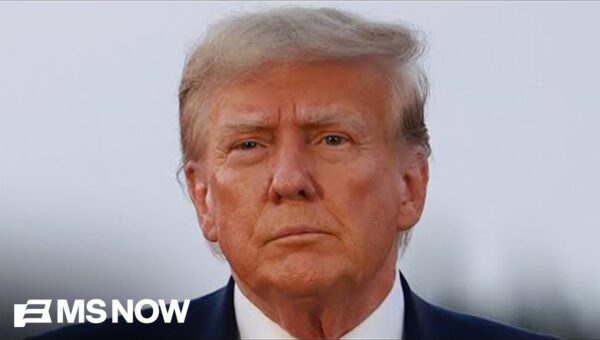
Dem Rep. Gomez: Trump Was Never Truthful About Peace
California Congressman Jimmy Gomez criticized the Trump administration's handling of intelligence regarding Iran, stating the President was "never truthful" about his intentions. Democrats plan to force a vote on a War Powers resolution, arguing the recent military actions lacked justification and congressional approval.
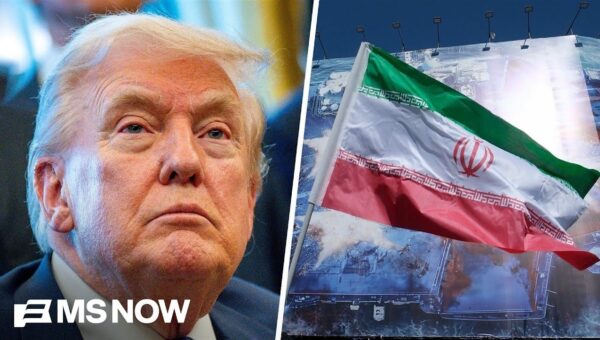
Trump Open to Iran Talks After Attacks, Shifts on Regime Change
President Trump has agreed to negotiate with Iran's new leadership following recent U.S. and Israeli attacks, signaling a potential shift from his regime change objective. The move has drawn scrutiny from former officials who question the strategic coherence of U.S. policy.