Iran Commander’s Death Sparks Gulf Chaos
The killing of a top Iranian IRGC commander and his staff is creating chaos and uncertainty in the Persian Gulf. This strategic move could disrupt Iran's operations in the vital Strait of Hormuz, impacting global oil markets. Analysts suggest that while this tactic has tactical importance, true regional stability requires broader changes in Iran's foreign policy and a commitment to peaceful coexistence.

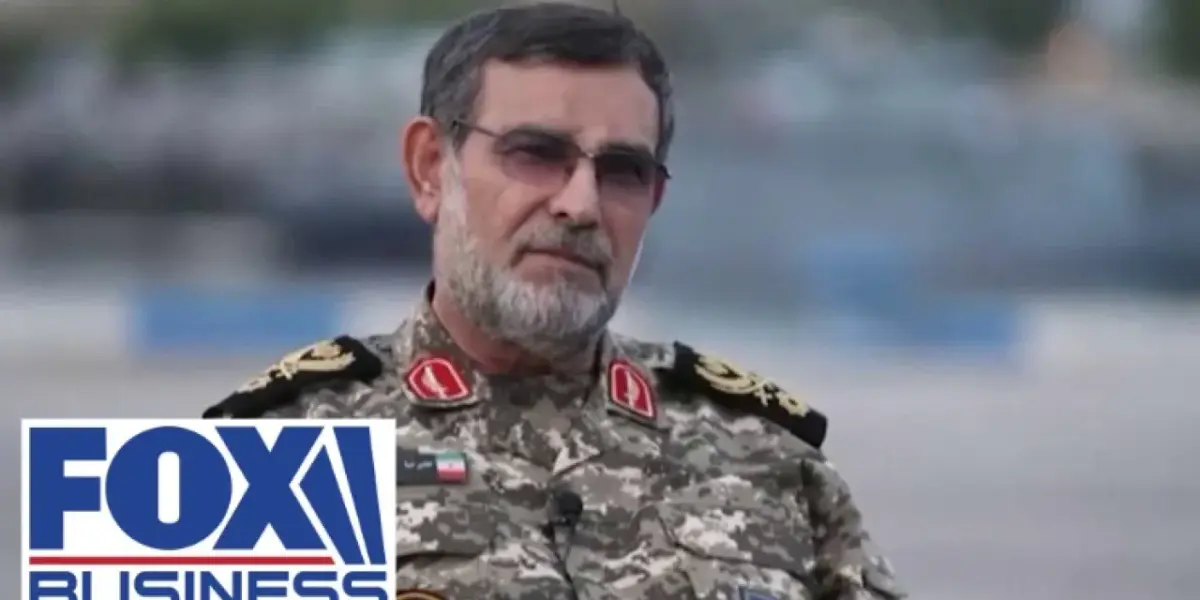
Top IRGC Commander’s Elimination Fuels Regional Uncertainty
The recent elimination of a key Iranian Revolutionary Guard Corps (IRGC) naval commander and his senior staff has sent shockwaves through the region, potentially creating significant short-term chaos for Iran’s operational planning in the Strait of Hormuz and the Persian Gulf.
While the full impact remains to be seen, former Navy Captain and Pentagon official Brent Sadler suggests this move, if followed up, could disrupt Iran’s ability to coordinate and execute operations. Sadler noted that the effectiveness of such tactics, often termed ‘decapitation’ in military strategy, lies in removing individuals crucial for effective coordination.
Strait of Hormuz Under Pressure
The Strait of Hormuz is a vital waterway for global oil shipments. Iran has previously launched multiple ballistic missile barrages, underscoring the strategic importance of this region. The elimination of operational leaders could directly impact Iran’s capacity to project power or disrupt shipping in this critical chokepoint.
Sadler expressed skepticism about the willingness of Iran to engage in meaningful talks with the U.S. at this stage. He stated that signals from Tehran should not be met with trust and that now is not the time for Western nations or Israel to ease military pressure on the Iranian regime.
“Nothing out of Tehran should be held in high regard with any level of trust. Clearly any signal coming out to try to relent on our part needs to be resisted. This is not the time to relent on the military operations to include the Israelis against this regime, press on quite frankly.”
Global Oil Market Dynamics
The conflict’s ripple effects are also being felt in the global oil market. A headline from Fortune suggests Vladimir Putin could be a winner in a U.S.-Iran conflict by putting Russian oil back on the map. However, Sadler argues this view misses a larger picture.
He explained that China’s demand for oil is immense, exceeding 13 million barrels a day last year. Russia’s maximum production capacity cannot meet this demand, especially with Venezuela and Iran’s oil supplies being limited. This forces China to seek cheaper oil elsewhere, putting pressure on prices.
While Putin might see some financial gain, Sadler believes the ongoing war in Ukraine is a significant drain on Russia’s resources. He emphasized the importance of encouraging Turkey and India to reduce their purchases of Russian oil to further isolate Moscow economically.
Path to Regional Stability
Looking ahead, Sadler outlined conditions that could lead to an end of the current hostilities. He suggested that ending the conflict would involve opening the Strait of Hormuz, halting Iran’s uranium enrichment, and securing any enriched uranium. This would pave the way for a new regime in Tehran that does not threaten American lives or regional interests.
A peaceful coexistence with neighbors, including Israel, is also a key factor. Sadler believes that when these conditions are met, military operations will naturally decrease, and the nature of the conflict will change. He also expressed hope for the Iranian people to regain control of their government, urging resistance against external interference in that process.
Market Impact
The elimination of senior IRGC officials introduces immediate uncertainty into the Middle East’s geopolitical landscape. This could lead to increased volatility in oil prices as traders assess potential disruptions to supply from the Strait of Hormuz. Investors should monitor statements from regional powers and international bodies for further developments. The situation also highlights the interconnectedness of geopolitical events and global energy markets, impacting sectors reliant on stable oil supplies.
What Investors Should Know
The current geopolitical tensions underscore the risks associated with investing in energy markets and companies with significant exposure to the Middle East. While the elimination of a key commander could temporarily disrupt Iran’s operations, its long-term impact depends on follow-up actions and broader diplomatic or military responses. Investors should consider diversifying portfolios to mitigate risks associated with regional instability and fluctuating energy prices. The ongoing conflict in Ukraine also continues to influence global energy supply and demand, adding another layer of complexity for market participants.
Source: 'DECAPITATION': Top commander TAKEN OUT triggering chaos Inside IRGC (YouTube)

Related Articles

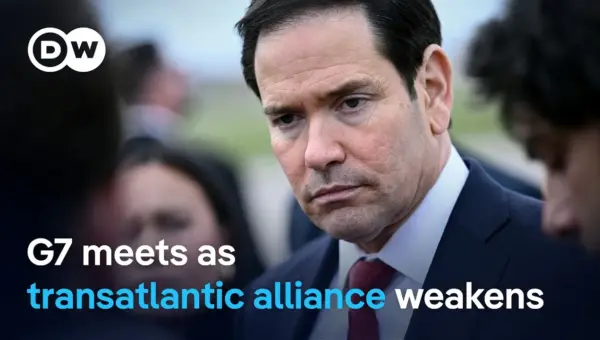
G7 Allies Clash Over Iran War Strategy, Urge Focus on Russia
G7 foreign ministers met in Paris, revealing deep divisions over the U.S. war with Iran. European allies urged the U.S. to pressure Russia, linking its actions to the conflict and fearing support for Ukraine will wane.
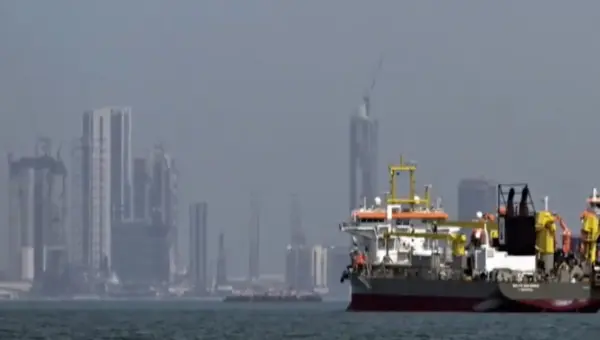
Iran Blocks China Ships, Exposing Beijing’s Weak Grip
Iran's recent decision to block Chinese ships at the Strait of Hormuz is exposing the limits of Beijing's influence in the Middle East. This action is causing delays and cancellations for Chinese manufacturers, turning a perceived geopolitical win into an economic strain.
Rubio: US Can Achieve Iran War Goals Without Troops
Senator Marco Rubio outlined a strategy to counter Iran without deploying U.S. ground troops, focusing on weakening the regime and enhancing maritime security. He also criticized Cuba's economic system and expressed concerns about West Bank violence.