Iran Closes Strait of Hormuz, Global Oil Flow Halts
Iran has effectively closed the Strait of Hormuz, halting global oil and gas shipments and causing a massive buildup of over 200 vessels. The blockade, coupled with ongoing attacks on shipping, is sending shockwaves through global energy markets. The conflict's implications are expanding beyond regional military concerns, with potential global economic ramifications.

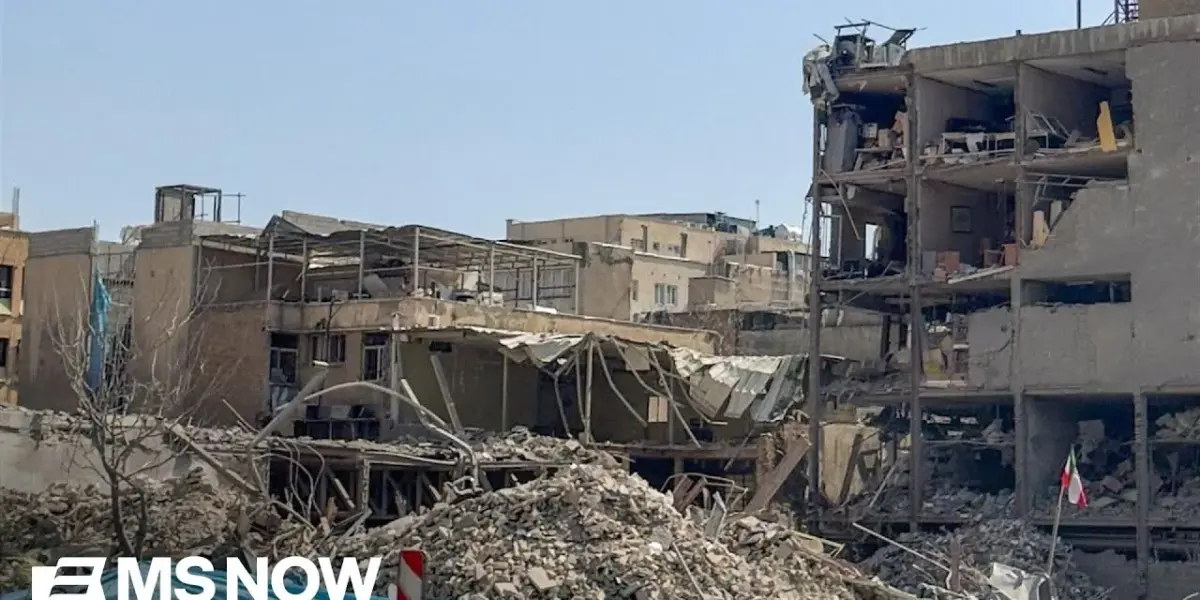
Strait of Hormuz Blockaded, Global Energy Markets Reel
Dubai-based reporter Izamam Rashid reported from the Strait of Hormuz that Iran has effectively closed the vital waterway, halting all ship traffic for the third consecutive day. This blockade has resulted in a massive buildup of over 200 vessels on either side of the strait, leading to significant global economic repercussions. Crucial oil and gas shipments are unable to reach their destinations, with reports emerging of fuel limitations in countries across the global south. The closure of this critical chokepoint, through which an estimated 20% of the world’s oil passes, poses a severe threat to global energy security.
Iran Escalates Attacks on Shipping
Adding to the crisis, Iran has continued its aggressive actions by targeting vessels in the region. Off the coast of Oman, another ship was struck by Iranian missiles, bringing the total number of targeted vessels to over four. These attacks aim to enforce a de facto border, deterring any ships from attempting to traverse the Strait of Hormuz. In response to the escalating threats, two major shipping companies have suspended bookings and are rerouting vessels, seeking alternative, longer, and more costly routes.
US Considers Escort Missions Amidst Iranian Threats
The United States is reportedly exploring options to escort vessels through the Strait of Hormuz, a potentially complex and dangerous undertaking. Retired U.S. Army Colonel Jack Jacobs commented on the situation, noting that while the U.S. Navy could attempt such escorts, it would be a significant challenge. Iran’s Revolutionary Guard has threatened the complete destruction of the region’s military and economic infrastructure, raising concerns about potential attacks on U.S. naval assets if they intervene.
Drone Warfare Dominates Regional Tensions
Dana Stroul, former U.S. Deputy Assistant Secretary of Defense, highlighted Iran’s reliance on one-way attack drones, which are inexpensive to produce but costly to intercept. “It is absolutely a numbers game,” Stroul stated, explaining that while the U.S. and Israel achieved air supremacy over Iran within 48 hours, leading to a reduction in drone and missile attacks, a significant portion still gets through. “Our Gulf partners are pretty impressive here on their air defense, they’re intercepting 90% of those drones and missiles. But that means 10% are getting through, and those 10% are hitting civilian hotels, civilian airports, and it’s obviously terrifying for the people in these countries.”
Ukraine’s Drone Expertise Offered to the Region
In a related development, Ukrainian President Zelenskyy has indicated a willingness to send experts to the Middle East to share their extensive experience in drone warfare. Colonel Jack Jacobs noted that Ukraine has been at the forefront of developing both offensive and defensive drone capabilities for a long time. “They’re really good at it. They have a wide variety of drones for offensive and intelligence gathering purposes,” he said. This expertise could be crucial for regional nations facing a barrage of Iranian drones.
Potential Arming of Iranian Kurds Discussed
David Rode, senior national security reporter, discussed reports of a potential U.S. effort to arm Iranian Kurds living just outside Iran in northern Iraq. While White House policy stated that President Trump has not ordered any such intervention, Rode suggested it could be a card the U.S. might play. However, a senior U.S. intelligence official cautioned that Iranian Kurds represent only 10-15% of Iran’s population and cannot single-handedly topple the government. Colonel Jacobs echoed these concerns, stating that even if armed, the Kurds lack sufficient numbers and training to challenge the Iranian army effectively. He emphasized that the Iranian army, particularly the Republican Guard, remains the lynchpin of the current regime, and any downfall would require their complicity.
Regional Conflict Edges Towards Global Implications
The conflict’s footprint continues to expand, with reports of the U.S. sinking an Iranian warship near Sri Lanka and an Iranian drone falling in Cyprus. Dana Stroul warned that the situation has already moved beyond purely U.S. military targets and oil prices, with potential implications for food supply and commercial air routes. “The global implications of this I think are already felt and that is exactly what the Iranian regime wants. They want the United States and Israel to feel pressure not just regionally, but at a global scale and imposed costs on the international system for this war,” she stated.
Looking Ahead: Economic Warfare and Diplomatic Response
As the Strait of Hormuz remains closed and regional tensions escalate, the focus is increasingly shifting towards the economic consequences of this conflict. The ability of Iran to disrupt global energy markets and inflict costs on the international system will be a key factor to watch. The effectiveness of international diplomatic efforts and the potential for further escalation, including the involvement of more state and non-state actors, will determine the trajectory of this rapidly evolving crisis.
Source: 'Game of drones': Ret. U.S. Army Colonel breaks down U.S. military capabilities (YouTube)

Related Articles


Trump Vows to Influence Iran’s Next Leader Selection
President Donald Trump has declared his intention to be actively involved in selecting Iran's next leader, a move signaling a significant escalation of US foreign policy in the Middle East. This unprecedented assertion could dramatically alter regional dynamics and international relations.

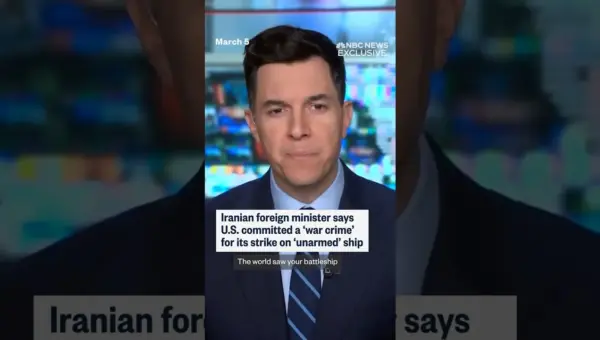
Iran Calls US Ship Strike ‘War Crime’, Vows Retribution
Iran's Foreign Minister has declared the U.S. strike on an unarmed navy training ship in the Indian Ocean a "war crime." The attack, which killed dozens of sailors, prompts Iran to vow that the U.S. will "bitterly regret" its actions.
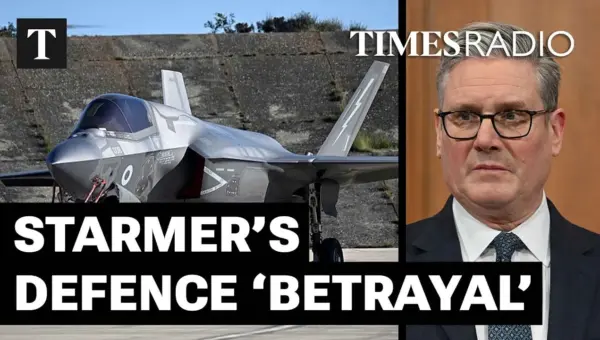
UK “Pathetic” Defense “Betrayal” Amidst War “Gray Zone”
Renowned historian Sir Antony Beevor warns the UK is in a "gray zone of warfare" and "pathetic" defense posture, calling current policy a "betrayal." He criticizes the government's focus on welfare over defense, stating the nation could face war within two years unprepared.