Iran Closes Strait of Hormuz Amid Lebanon Strikes; Talks Loom
Iran has reportedly closed the Strait of Hormuz, citing Israeli strikes in Lebanon, which threatens a fragile U.S.-Iran ceasefire. Vice President Vance is set to lead the first round of critical diplomatic talks in Pakistan this Saturday, aiming to address key issues including regional security and safe passage through the vital waterway.

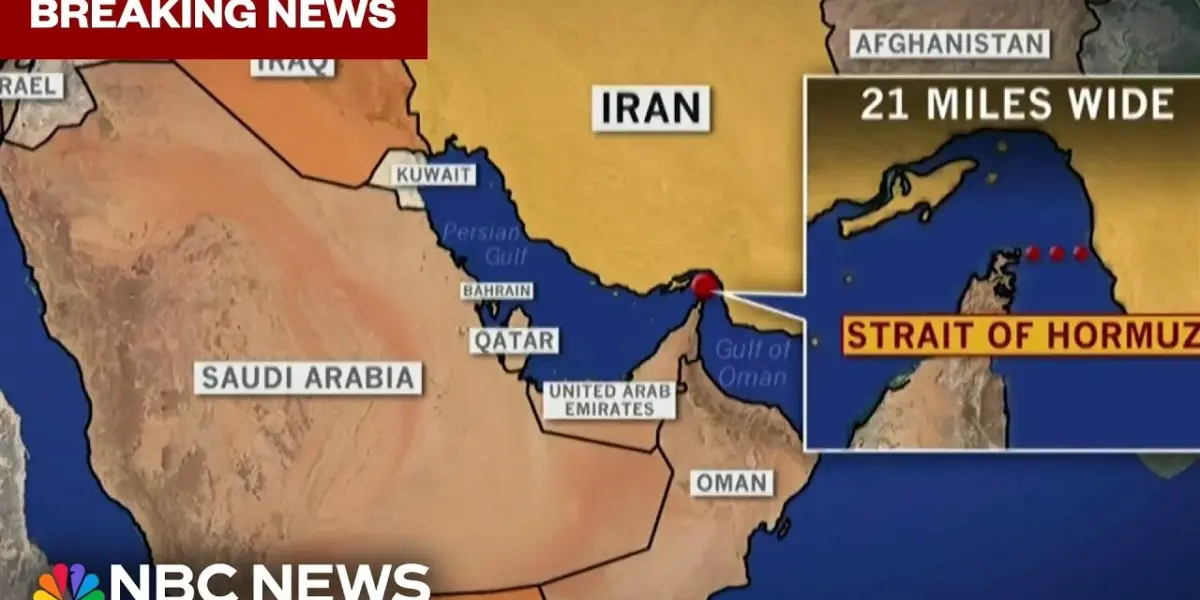
Strait of Hormuz Closed as Iran Cites Lebanon Strikes
Iran has reportedly closed the vital Strait of Hormuz, a key global shipping lane, citing Israeli airstrikes in Lebanon. This move casts a shadow over a fragile two-week ceasefire between the U.S. and Iran, raising serious questions about the ongoing peace talks. The White House confirmed that Lebanon is not part of the current ceasefire agreement, describing the situation as “extremely fragile.” This statement comes as the first round of diplomatic talks between the U.S. and Iran is scheduled to take place in Pakistan this Saturday.
White House Highlights Ceasefire Progress, Acknowledges Fragility
White House Press Secretary Karoline Leavitt has been actively communicating the administration’s perspective on the recent developments. She stated that the President’s rhetoric has been instrumental in achieving the current ceasefire. However, Leavitt also emphasized the delicate nature of the peace, a sentiment echoed by Vice President Vance. The administration is working to distinguish between public statements from Iran and private communications, particularly concerning the Strait of Hormuz. The closure of this waterway was a major point of contention during negotiations, and its current status threatens the framework of any potential deal.
High-Stakes Diplomacy: VP Vance to Lead Talks in Pakistan
In a significant diplomatic move, Vice President Vance, along with Special Envoy Steve Witkoff and President’s son-in-law Jared Kushner, will travel to Islamabad, Pakistan, for the initial round of peace talks. This marks the most high-profile visit to Pakistan by a U.S. official in years. Vice President Vance is currently concluding a visit to Hungary before heading to Pakistan. The talks are expected to be intensive, focusing on critical issues such as the withdrawal of U.S. combat forces from the region, sanctions relief, and potential reparations sought by Iran. The administration aims to keep these discussions within a two-week timeframe, though the Vice President’s presence suggests the high importance placed on these negotiations.
The Strait of Hormuz: A Critical Global Chokepoint
The Strait of Hormuz is a narrow waterway connecting the Persian Gulf to the open ocean. It is one of the world’s most important oil transit points. Approximately 30% of the world’s seaborne oil trade passes through this strategic chokepoint daily. Any disruption to shipping in the Strait can significantly impact global energy markets, causing price spikes and supply concerns. The White House has floated the idea of a “joint venture” for managing ship traffic through the Strait, but specifics on how this would work remain unclear. The current closure, reportedly in response to events in Lebanon, highlights the volatility of the region and the challenges in securing safe passage for international shipping.
Challenges and Potential Outcomes of the Talks
The upcoming talks face significant hurdles. The reported closure of the Strait of Hormuz is a major obstacle, directly impacting a key point of any potential agreement. Furthermore, Iran’s demands, including the complete withdrawal of U.S. forces and reparations, are substantial. The administration’s goal is to secure a framework for stability, but the fragility of the current ceasefire means that a breakdown in talks could have serious consequences. The involvement of Vice President Vance underscores the administration’s commitment, but also raises the stakes if an agreement cannot be reached. The success of these negotiations will depend on Iran’s willingness to ensure safe passage through the Strait and the U.S.’s ability to address Iran’s core demands.
Looking Ahead: What’s Next for Regional Stability
The world will be watching closely as the U.S. and Iran commence their diplomatic talks in Pakistan. The immediate focus will be on whether the Strait of Hormuz reopens and how the escalating situation in Lebanon is addressed. The outcome of these negotiations could have far-reaching implications for regional security and global energy markets. The success of these fragile diplomatic efforts hinges on finding common ground amidst complex geopolitical tensions.
Source: BREAKING: Iran says Strait of Hormuz is closed due to Israeli strikes on Lebanon (YouTube)

Related Articles


US, Iran Hold High-Stakes Peace Talks Amid Tensions
Vice President J.D. Vance led U.S. negotiations with Iran in Pakistan, seeking to de-escalate tensions amid ceasefire violations and threats of military action. The talks face significant hurdles, including Iran's demands for a Lebanon ceasefire and asset release, and the critical closure of the Strait of Hormuz. The conflict's economic impact is evident in rising inflation and falling consumer confidence.

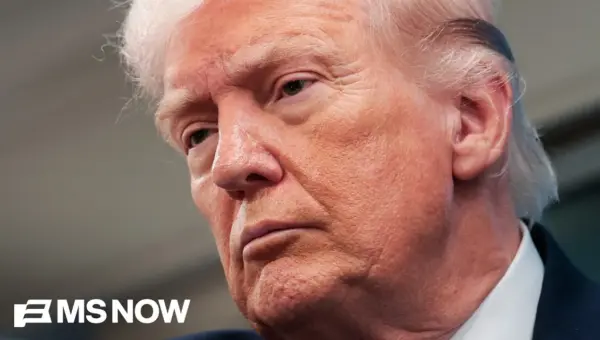
Trump’s Iran War Sparks Global Economic Crisis, Fuel Shortages
Donald Trump's war with Iran has triggered a global economic crisis, marked by surging inflation, gas price hikes, and potential jet fuel shortages. Iran's control over the vital Strait of Hormuz has become a key economic and geopolitical advantage, complicating U.S. objectives and impacting international stability.
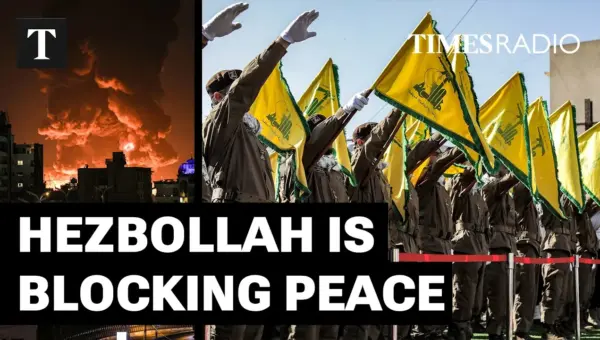
Israel Blames Hezbollah for Ceasefire Blockade
Israel identifies Hezbollah as the sole obstacle to a ceasefire amidst ongoing strikes in Lebanon that have claimed hundreds of lives. Diplomatic efforts are underway, with Lebanon seeking a truce for peace talks, while Israel vows to continue its operations against Hezbollah.