Iran Claims US Pilot Ejected; US Silent Amid Escalating Tensions
Iran claims a U.S. pilot ejected from a fighter jet over its territory, offering a reward for capture. The U.S. has not confirmed the report amid escalating regional tensions. Military experts discuss the strategic implications of U.S. strikes and the potential for internal change in Iran.

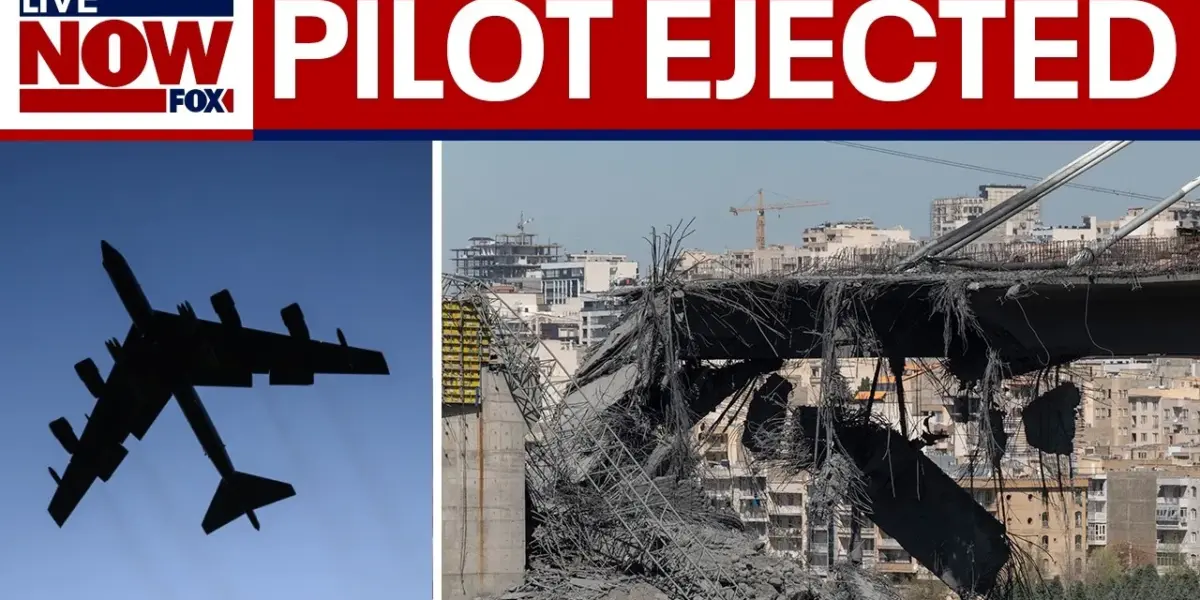
Iran Claims US Pilot Ejected Amid Operation Epic Fury
Iranian state television reported today that a U.S. pilot ejected from an aircraft over southwestern Iran, escalating tensions in the region. The broadcaster also stated that a reward would be given for the capture of any enemy pilot. The White House, Pentagon, and U.S. Central Command have not yet confirmed or denied these claims. This development follows President Trump’s recent statements suggesting Iran’s bridges and electric power plants could be future targets.
Military Expert Weighs In on Claims and Strategy
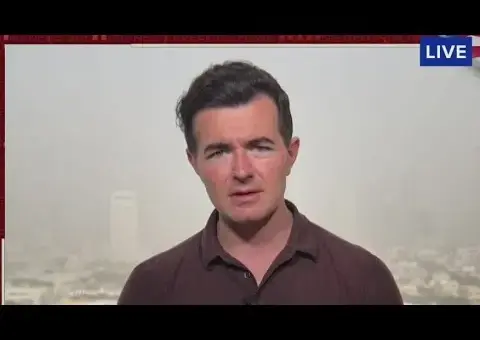
Vice Admiral Fozy Miller, former commander of the U.S. Fifth Fleet, discussed the situation, emphasizing that while the claims are unconfirmed, flying manned aircraft over hostile territory always carries risks. “Anytime we fly manned aircraft over hostile territory, there’s an understanding that something could go wrong,” Miller stated. He explained that mechanical failures or enemy action could lead to downed aircraft, necessitating rescue operations. The U.S. military has established procedures and a joint rescue operations center specifically for recovering downed airmen in hostile areas. The 31st Marine Expeditionary Unit is trained for tactical recovery of aircraft and personnel, a critical capability in such scenarios.
“We have procedures and there’s a joint rescue operations center that’s stood up that’s sole purpose is to rescue downed airmen particularly in hostile territory.”
Vice Admiral Fozy Miller
Miller also noted that Iran offering a bounty for captured aircrew is not a new tactic, recalling similar practices during the Vietnam War. He suggested that downed airmen might also find help from Iranians opposed to the current regime, potentially aiding their escape.
Strategic Strikes: Targeting Infrastructure
President Trump posted a video on Truth Social showing a large bridge in Iran being destroyed, signaling a potential shift in U.S. strategy. Miller explained the significance of such strikes. “The bombing of this particular bridge sends a couple of messages and does a couple of things,” he said. According to Miller, targeting key infrastructure like this bridge hinders the Iranian regime’s ability to move troops, command forces, and oppress its own people. It also serves as a visible sign to the Iranian populace that the regime is under attack and unable to protect critical infrastructure, potentially offering a glimmer of hope.
Internal Dissent and the Future of Iran
The conversation touched upon the protests that occurred in Iran just months ago. Miller acknowledged that while people are against the regime, the current internet shutdowns and executions make open protest difficult. He drew a parallel to Iran’s historical Constitutional Revolution of 1907, which began in smaller cities and provinces rather than the capital. Given Iran’s ethnic diversity, Miller suggested that a future revolution might emerge from the provinces and work its way inward, especially since the Islamic Revolutionary Guard Corps (IRGC) forces are heavily concentrated in Tehran.
Defining the End of Hostilities
When asked about signs indicating the conclusion of the current conflict, Miller pointed to two key indicators. First, Iran’s capability to launch missiles and drones towards Israel must be significantly degraded. While many launchers have been destroyed, Iran still possesses some capability. Second, the Strait of Hormuz must be secured, meaning Iran must be unable to close it. Miller believes that once these conditions are met, the hostilities will likely come to an end.
Military Objectives and Intelligence on Hidden Stockpiles
Miller confirmed that the core military objectives of Operation Epic Fury have remained consistent: destroying Iran’s nuclear weapons program, degrading its missile and drone launch capabilities, and preventing Iran from threatening its neighbors through direct action or proxies. He stated that known nuclear sites have been destroyed or rendered unusable, and Iran’s ability to launch drones and missiles has been significantly reduced. Regarding Iran’s claims of hidden, deep underground weapons stockpiles, Miller expressed skepticism but acknowledged the possibility. He emphasized that U.S. and Israeli intelligence is highly effective at locating such hidden assets, making it difficult for Iran to move or access them undetected.
“When the regime speaks, you shouldn’t listen to what they say, you should watch what they do because they they constantly lie.”
Vice Admiral Fozy Miller
Looking Ahead
As the situation unfolds, the world watches for official confirmation from U.S. authorities regarding the Iranian claims. The strategic targeting of infrastructure and the ongoing efforts to degrade Iran’s military capabilities suggest a sustained campaign. The potential for internal unrest within Iran also remains a significant factor to monitor. The successful recovery of any downed airmen and the resolution of threats to international shipping lanes will be crucial in determining the future course of events in the region.
Source: US pilot ejected after fighter jet hit, Iran says (YouTube)

Related Articles

US Pilot Feared Lost in Iran; Search Underway
The U.S. military is conducting a search operation inside Iran for an American pilot whose fighter jet may have been downed. Details are limited, with uncertainty over whether the plane was shot down or suffered mechanical failure. The operation highlights the complexities of rescue missions in hostile territory and occurs amid heightened regional tensions.
Strait of Hormuz Tensions Risk Wider Middle East War
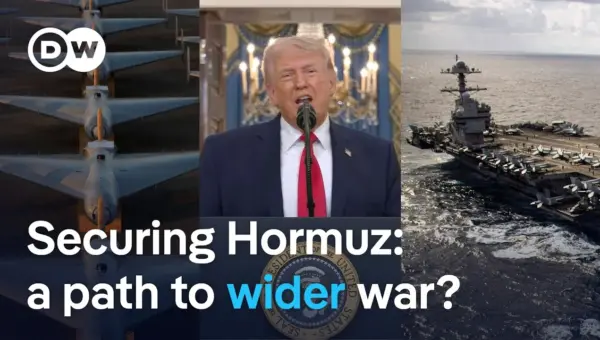
Efforts to secure the vital Strait of Hormuz risk triggering a wider Middle East war, according to UN warnings and security analysts. The narrow waterway is crucial for global trade, and forcing it open against Iran's objections could escalate regional tensions dramatically. Experts highlight the complex geography, Iran's remaining military capabilities, and the involvement of regional players as key factors in the volatile situation.

Iran Claims Jet Downed, Escalates Regional Attacks
Iran claims it shot down a U.S. fighter jet, marking a significant escalation in regional tensions. The U.S. has been targeting Iranian infrastructure, while Iran and its allies have launched retaliatory strikes across the Middle East, impacting oil facilities and causing injuries. The critical Strait of Hormuz remains a key point of contention.