Iran Claims Jet Downed, Escalates Regional Attacks
Iran claims it shot down a U.S. fighter jet, marking a significant escalation in regional tensions. The U.S. has been targeting Iranian infrastructure, while Iran and its allies have launched retaliatory strikes across the Middle East, impacting oil facilities and causing injuries. The critical Strait of Hormuz remains a key point of contention.

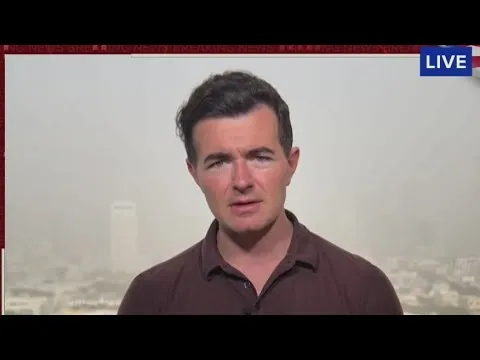
Iran Claims Jet Downed, Escalates Regional Attacks
A significant escalation in the Middle East is unfolding as Iran claims to have shot down an American fighter jet. This report, initially appearing in Iranian state media, is now being corroborated by American news outlets like Axios and The Wall Street Journal. While the Pentagon has not yet officially confirmed the incident, it would mark the first known downing of a U.S. jet in Iran since military operations began. This event, if confirmed, signals that Iran still possesses significant defensive capabilities.
Iran’s Infrastructure Under Fire
In response to ongoing tensions, the U.S. has intensified its targeting of Iranian infrastructure. President Trump has stated that more sites will be hit if Iran does not agree to a deal. On Thursday, U.S. forces struck Iran’s largest bridge. Iranian state media has reacted strongly, labeling the U.S. a “terrorist straight state” and accusing it of “savage behavior.” This exchange highlights the deep animosity and the cycle of retaliation between the two nations.
Regional Attacks Intensify
Following the U.S. strikes, Iran and its allies have launched retaliatory attacks across the region. Images show impacts in Israel, which has been targeted by Iran, Yemen, and Hezbollah in Lebanon. While damage in Israel appears less severe, attacks on Kuwait have been more damaging. An oil refinery and a power and water desalination plant were struck, and authorities reported 12 injuries, one severe, due to shrapnel from Iranian launches. This widespread aggression demonstrates Iran’s ability to project power and threaten regional stability.
Strait of Hormuz: A Global Pressure Point
The Strait of Hormuz, a vital waterway for global oil transport, remains a key pressure point. President Trump expressed optimism that the strait could be reopened with more time, calling it a potential “gusher for the world.” Iran has previously used its position to control oil transit through the strait, impacting global commerce and fuel prices. The international community, particularly Gulf states, has been vocal in calling for action to reopen the strait. Ukraine’s President Volodymyr Zelenskyy has offered expertise to Gulf states on defending their airspace. He believes that reopening the strait will require global coordination, not just the efforts of one country.
Global Impact and Future Scenarios
The situation in the Middle East carries significant global implications. The Strait of Hormuz is critical for shipping, with disruptions directly affecting oil prices and the global economy. The ongoing conflict could lead to further instability, impacting energy markets and potentially drawing in more international actors. If the U.S. jet was indeed downed, it represents a serious escalation, potentially leading to a wider conflict. Alternatively, continued diplomatic efforts, perhaps spurred by the economic pressure on Iran and the desire to stabilize oil flows, could lead to a de-escalation. However, the current trajectory suggests a prolonged period of heightened tensions and continued military actions.
Historical Context
This confrontation echoes historical patterns of conflict and proxy warfare in the Middle East. Iran has a long history of challenging U.S. influence and supporting regional militant groups. The targeting of critical infrastructure, like bridges and energy facilities, has been a tactic used in various conflicts to cripple an adversary’s economy and war-making ability. The Strait of Hormuz has repeatedly been a flashpoint, with international powers seeking to ensure freedom of navigation for vital oil supplies.
Economic Leverage
Economic factors are central to this conflict. U.S. sanctions aim to cripple Iran’s economy and force compliance. In turn, Iran uses its control over the Strait of Hormuz as economic leverage, threatening to disrupt global oil supplies. The damage to Kuwait’s oil refinery highlights the vulnerability of energy infrastructure in the region and the potential economic consequences for all involved.
Shifting Regional Alliances
The actions of Iran, Israel, and the Gulf states are reshaping regional dynamics. Increased attacks on Israel by Iranian-backed groups test its defenses and require a strong response. The Gulf states’ calls for international action underscore their dependence on stable energy markets and their concern over Iranian aggression. These events are forcing regional powers to reassess their alliances and security strategies.
Conclusion
The claim of an American jet being shot down over Iran, coupled with escalating regional attacks and U.S. strikes on Iranian infrastructure, points to a volatile and rapidly developing situation. The fate of the Strait of Hormuz and its impact on global energy markets remain critical concerns. As the situation unfolds, the world watches to see if de-escalation or further conflict will define the coming weeks and months.
Source: US fighter jet reportedly shot down over Iran | NewsNation Live (YouTube)

Related Articles
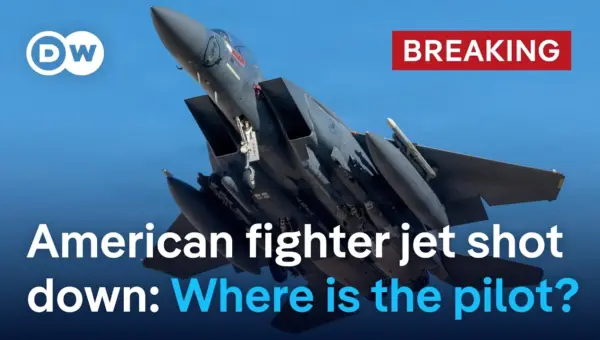
US Jet Downed in Iran: Crew Fate Unknown, War Unpopular
An American F-15 fighter jet has been shot down over Iran, with U.S. officials confirming the loss but offering few details on the crew's fate. The incident occurs amid widespread public opposition to the war and raises questions about Iran's air defense capabilities.
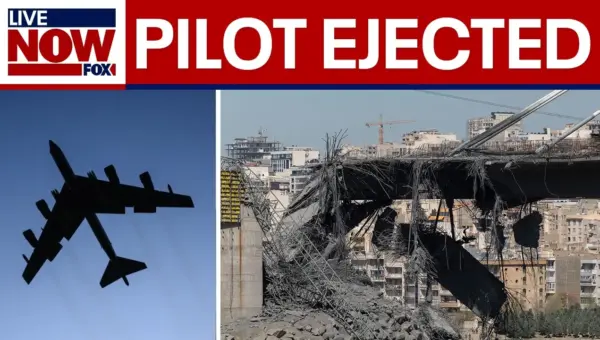
Iran Claims US Pilot Ejected; US Silent Amid Escalating Tensions
Iran claims a U.S. pilot ejected from a fighter jet over its territory, offering a reward for capture. The U.S. has not confirmed the report amid escalating regional tensions. Military experts discuss the strategic implications of U.S. strikes and the potential for internal change in Iran.


US Pilot Feared Lost in Iran; Search Underway
The U.S. military is conducting a search operation inside Iran for an American pilot whose fighter jet may have been downed. Details are limited, with uncertainty over whether the plane was shot down or suffered mechanical failure. The operation highlights the complexities of rescue missions in hostile territory and occurs amid heightened regional tensions.