Iran Claims F-15E Downed; Rescue Mission Continues
A daring rescue mission is underway for a missing F-15E Strike Eagle weapons systems officer deep inside Iran. The operation follows the F-15E's downing and an A-10's battle damage, highlighting Iran's use of MANPADS and proxy tactics. US forces have rescued one pilot, but the search for the WSO continues amidst Iranian propaganda claims.

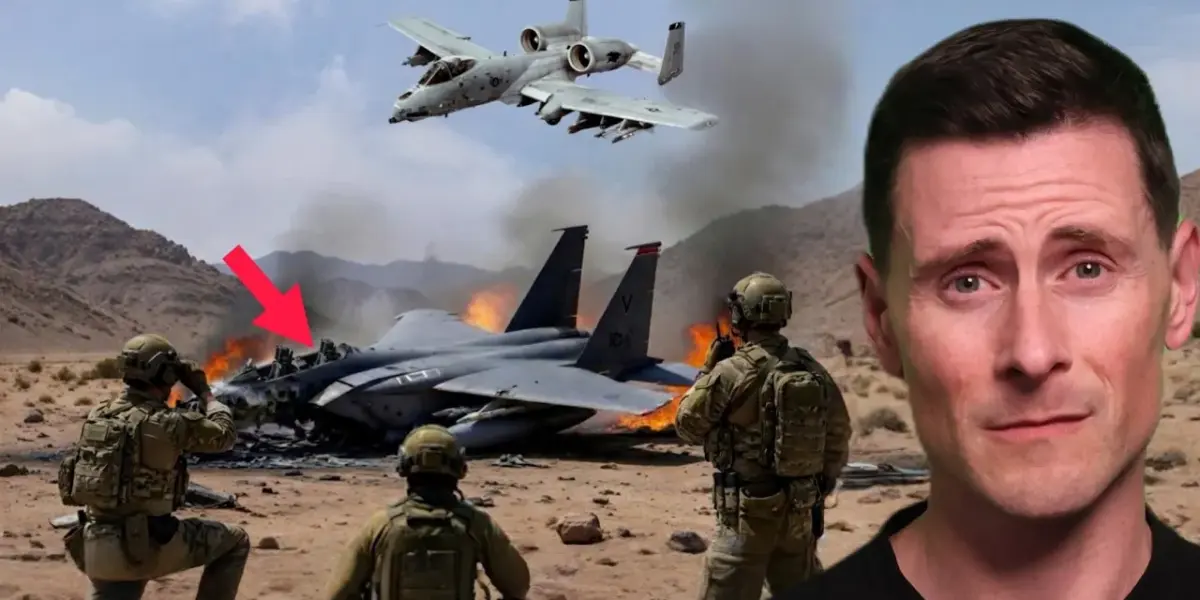
Iran Claims F-15E Downed; Rescue Mission Continues
The ongoing search for a missing F-15E Strike Eagle weapons systems operator deep inside Iran marks a critical phase of Operation Epic Fury, now in its 35th day. The intense combat search and rescue (CSAR) mission continues in contested airspace, following reports of an F-15E shot down over southwestern Iran in the Kolagay and Boar Ahmad province. Both crew members of the downed F-15E, belonging to the 494th Fighter Squadron, reportedly ejected safely. US special operations forces, including SEALs and Green Berets, successfully rescued the pilot, who is now receiving medical treatment. However, the weapons systems officer (WSO) remains missing, and the search operation is ongoing.
A-10 Suffers Battle Damage During CSAR
In a related incident, an A-10 Warthog sustained battle damage while conducting CSAR operations near the Straits of Hormuz. The A-10, a platform renowned for its close air support and its role in CSAR missions, likely experienced damage from concentrated small arms fire or man-portable air-defense systems (MANPADS). The pilot performed a controlled ejection outside of Iranian territory and was swiftly recovered by US forces. This marks a significant development, as these are potentially the first confirmed hostile fire losses of US manned aircraft in the conflict, a stark reminder of the risks involved.
Iranian Claims and Propaganda
Iranian state media has celebrated the downing of the F-15E, calling it a significant propaganda victory. They claim the aircraft was brought down by a new advanced BVAR 373 missile, which they suggest is an adaptation of the Russian S-300 system. Iran has also released photos of what they claim is the F-15E wreckage, though analysis suggests these images may be AI-generated. Similarly, claims of an F-16 being shot down have been accompanied by images that appear to be fabricated. The Islamic Revolutionary Guard Corps (IRGC) is reportedly offering a reward of approximately $60,000 to civilians who capture the missing aircrew, a tactic aimed at incentivizing local support and generating further propaganda.
Strategic Context: The Threat of MANPADS
The incidents highlight the persistent threat posed by MANPADS in Iran. With an estimated 5,000 or more shoulder-fired weapons in the country, identifying and neutralizing them is a significant challenge. These weapons, often supplied through clandestine channels, can be employed in ambush tactics, making them difficult to detect until the moment of firing. The rugged terrain of Iran, roughly 2.5 times the size of Texas, further complicates efforts to locate and control these dispersed threats. Iran’s strategy appears to rely on these proxy tactics, using MANPADS and small arms fire to create chaos and achieve propaganda victories, even in the face of US air superiority.
The Role of Air Power and CSAR
The F-15E Strike Eagle, a twin-seat, all-weather fighter, is a key asset for deep penetration strikes, capable of carrying a wide array of munitions. When one F-15E went down, another likely entered an On-Scene Commander (OSC) role, coordinating air assets like A-10s and AH-64 Apaches to support the rescue effort. The A-10 Warthog, often called a “flying tank” due to its robust design and pilot protection, is particularly suited for CSAR. Its ability to loiter, provide close air support, and withstand significant damage makes it invaluable for protecting downed aircrews and suppressing enemy forces. The HH-60G Pave Hawk helicopters, specialized for CSAR, are also playing a crucial role, despite facing small arms fire from Iranian state police.
Survival, Evasion, Resistance, and Escape (SERE)
The missing weapons systems officer is presumed to be employing SERE tactics. This training, standard for aircrews, focuses on evading enemy forces, remaining concealed, and awaiting rescue by specialized units like Pararescue jumpers (PJs), SEALs, or Green Berets. These elite operators conduct high-risk missions into hostile territory to recover downed personnel. The rugged terrain of the Kolagay and Boar Ahmad province where the F-15E went down presents a challenging environment for both evasion and rescue operations.
Geopolitical Implications
These events underscore Iran’s continued ability to contest air operations through asymmetric means, despite not possessing a sophisticated integrated air defense system (IADS). The losses, while significant, are viewed by some as an inevitable consequence of prolonged high-intensity operations. The US objective remains to degrade Iran’s nuclear capabilities and prevent the development of nuclear weapons. The ongoing CSAR operation and the resilience of US aircrews and rescue teams are critical elements in maintaining operational effectiveness and demonstrating resolve in a complex and dangerous theater.
“This is a war. It’s not going to affect negotiations with Iran at all.” – President Trump on the F-15E Downing
Looking Ahead
The coming days will be crucial in determining the fate of the missing WSO and the broader impact of these incidents. The US continues to conduct targeted strikes against Iranian military infrastructure. The effectiveness of the CSAR mission, the continued resilience of US air power, and Iran’s reliance on proxy tactics will shape the evolving conflict. The ability of US forces to overcome the challenges posed by MANPADS and the difficult terrain will be a key factor in the ongoing operation.
Source: DARING Rescue Mission Continues For F-15E Strike Eagle Aircrew in Iran (YouTube)

Related Articles
US Forces Stage Daring Iran Rescue of Downed Pilot
Elite U.S. special forces executed a daring rescue of a downed F-15E pilot deep within Iran's Zagros Mountains. The operation involved multiple branches and aircraft, facing heavy resistance. President Trump confirmed the successful recovery, marking a significant behind-enemy-lines mission.
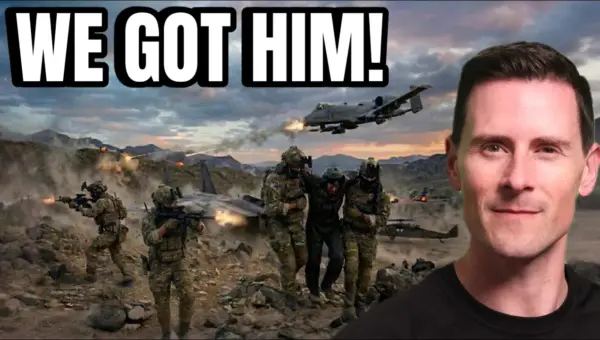
US Commandos Stage Daring Rescue in Iran
U.S. special operations forces executed a daring rescue mission in Iran's Zagros Mountains to extract the second crew member of a downed F-15E fighter jet. The operation involved intense combat and the destruction of U.S. aircraft to prevent enemy capture.
Iran Downs U.S. Jet, Sparking Major Geopolitical Tensions
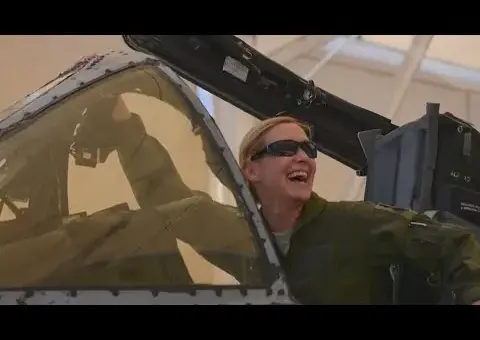
Iran's downing of two U.S. military jets marks a rare escalation, prompting a focus on U.S. rescue capabilities. A former A-10 pilot shared insights into the intense training and resolve of military personnel during such high-risk operations.