Iran Claims Control After Alleged US-Israeli Strikes, Vows Retaliation
Iran's Foreign Minister claims life is 'under control' after alleged US-Israeli strikes, stating swift retaliation against American bases. He downplayed potential casualties and emphasized the actions were in self-defense, seeking understanding from regional neighbors.

Iran Claims Control After Alleged US-Israeli Strikes, Vows Retaliation
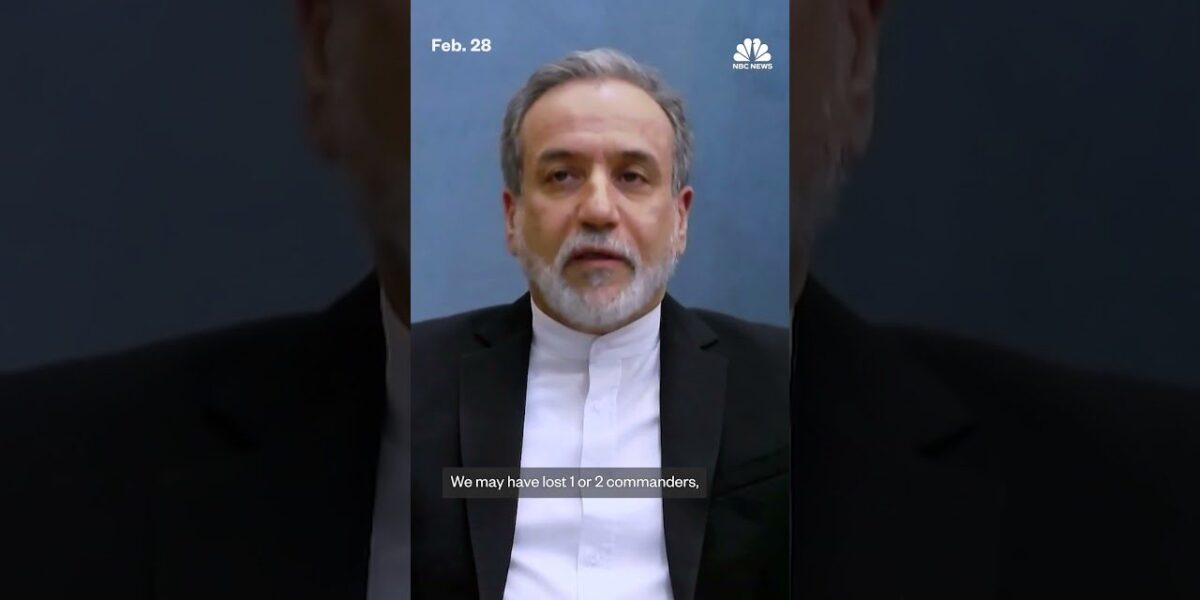
Tehran, Iran – Iran’s Foreign Minister stated that life is continuing “under control” following alleged U.S. and Israeli strikes within the country, asserting that retaliatory measures against American bases and targets in Israel were swiftly initiated. The minister, speaking in a recent address, characterized the situation as managed, despite admitting to potential losses of one or two commanders, which he downplayed as “not a big problem.” This assertion comes amidst heightened regional tensions, with Iran emphasizing its actions as a measure of self-defense rather than an act of aggression.
Assessing the Impact and Response
The Foreign Minister described the immediate aftermath of the purported strikes, noting that while life has not returned to complete normalcy, it is ongoing and “everything is under control.” A key point of his statement was the alleged failure of the United States and Israel to achieve their intended objectives. “I think Americans and Israelis uh failed to you know access to to you know hit their targets,” he stated.
In response to the alleged attacks, Iran claims to have launched retaliatory actions. “we are uh actually managing it. we are handling the situation and I was in contact with you know my colleagues in the Persian Gulf uh and I I explained for them that you know we have no intention to attack them but we are actually attacking the American bases in in the in the act of self-defense,” the minister explained. He further elaborated on the rationale behind these retaliatory strikes, emphasizing that Iran could not passively observe attacks against it. “we cannot just sit and watch they are attacking us and we don’t uh you know respond simply because their bases are in a friendly neighbor neighbor country.”
Maintaining Regional Diplomacy Amidst Conflict
The Iranian Foreign Minister highlighted his efforts to communicate Iran’s position to neighboring countries in the Persian Gulf. He stressed that Iran’s actions were not aimed at these neighboring nations but were specifically targeted at American bases. “So I explained for them and I hope that they understand this situation,” he conveyed, indicating a desire to prevent further escalation and maintain diplomatic channels despite the confrontational stance.
While the minister downplayed the potential loss of personnel, stating that “almost all officials are uh safe and sound and alive,” the acknowledgment of losing “one or two commanders” suggests that the alleged strikes may have had some level of impact. The framing of these losses as manageable underscores Iran’s narrative of resilience and control in the face of external aggression.
Broader Regional Implications
The events described by the Iranian Foreign Minister, if confirmed, would represent a significant escalation in the already volatile Middle East. The direct acknowledgment of retaliatory strikes against U.S. bases, even under the guise of self-defense, carries substantial geopolitical weight. Such actions inherently risk wider conflict and could draw regional and international powers into a more direct confrontation. The reference to “friendly neighbor neighbor country” likely alludes to the presence of U.S. military facilities in nations bordering Iran, a sensitive issue that has long been a point of contention.
Iran’s emphasis on self-defense as the justification for its missile attacks is a common diplomatic and strategic maneuver in international relations. It seeks to legitimize its actions while signaling a capacity and willingness to respond forcefully to perceived threats. The success or failure of the alleged U.S. and Israeli strikes, as claimed by Iran, remains to be independently verified. However, the mere assertion of such attacks and Iran’s stated response highlights the ongoing cycle of action and reaction that characterizes the current geopolitical climate in the region.
Looking Ahead
The coming days will be crucial in determining the trajectory of this developing situation. International observers will be closely monitoring official statements from the U.S. and Israel for any confirmation or denial of the alleged strikes. Diplomatic efforts to de-escalate tensions, particularly with neighboring Gulf states, will be key. Furthermore, the extent to which Iran’s claimed retaliatory actions impact regional stability and U.S. military posture will likely shape future interactions and potential responses.
Source: Iran’s foreign minister on U.S.-Israeli strikes inside the country (YouTube)

Related Articles
Iran Celebrates After Israeli Strikes Eliminate Top Leaders
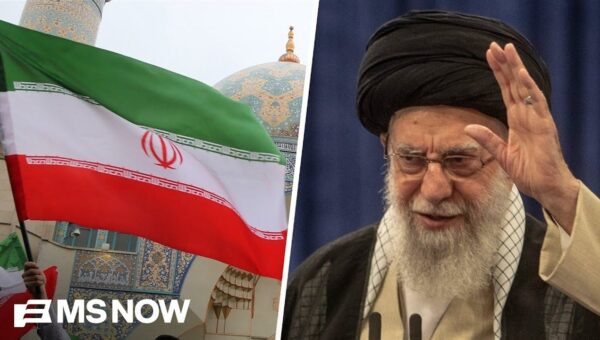
Following Israeli airstrikes that reportedly killed Iran's Supreme Leader and top staff, celebrations have erupted among the Iranian diaspora. While a "monumental event," analysts caution against immediate expectations of a smooth democratic transition due to the IRGC's power and a divided opposition.

Dem Rep. Gomez: Trump Was Never Truthful About Peace
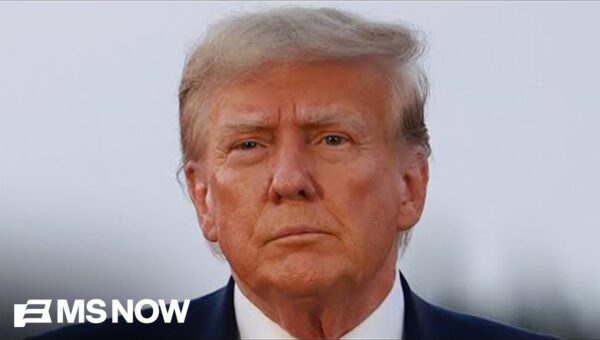
California Congressman Jimmy Gomez criticized the Trump administration's handling of intelligence regarding Iran, stating the President was "never truthful" about his intentions. Democrats plan to force a vote on a War Powers resolution, arguing the recent military actions lacked justification and congressional approval.


Trump Open to Iran Talks After Attacks, Shifts on Regime Change
President Trump has agreed to negotiate with Iran's new leadership following recent U.S. and Israeli attacks, signaling a potential shift from his regime change objective. The move has drawn scrutiny from former officials who question the strategic coherence of U.S. policy.