Iran Claims Ceasefire Violated as Gas Prices Surge
Iran has reported violations of a recent ceasefire deal with the U.S., just hours after its announcement, adding to global tensions. Meanwhile, soaring gas prices and a notable silence from many Republican leaders in Congress are drawing attention amid controversial rhetoric from President Trump.

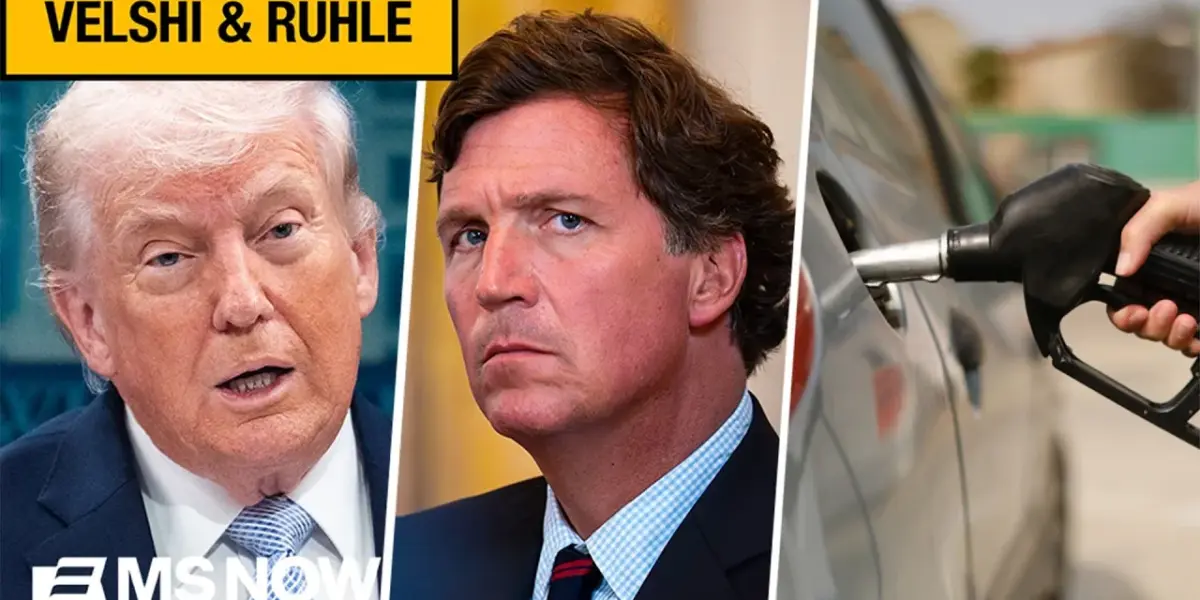
Iran Reports Ceasefire Violation Amidst Tensions
Iran’s parliament speaker has stated that a ceasefire deal with the United States has already been violated, casting doubt on recent de-escalation efforts. This claim emerged just hours after the agreement was reportedly reached, highlighting the fragile nature of the situation.
Details surrounding the alleged violation are scarce, but the development comes amid escalating tensions that have already impacted global markets. The timeline suggests a rapid return to uncertainty, despite initial hopes for stability.
Trump’s Rhetoric and Republican Silence
The ongoing international crisis has also sparked debate about the Republican party’s response. While figures like Marjorie Taylor Greene, Alex Jones, and Tucker Carlson have publicly distanced themselves from President Trump’s actions, many elected Republican leaders have remained notably silent.
This lack of vocal opposition from key figures in Congress is seen by some as a significant departure from campaign promises, particularly the ‘America First’ and ‘no new wars’ platforms. Analysts question why those with legislative power are not more actively engaged in shaping policy related to the conflict.
Concerns Over ‘Civilization Destroying’ Rhetoric
President Trump’s public statements, including a remark about a “civilization” being destroyed, have drawn sharp criticism. These comments, made around the time of the alleged ceasefire violations, have been characterized as potentially inciting genocide and war crimes.
Despite the gravity of such language, the response from many in positions of power has been muted. This has led to questions about what it would take for elected officials to publicly condemn or challenge the president’s rhetoric and actions.
The Nuclear Question: Truth vs. Perception
A key point of contention is the claim that Iran is close to developing nuclear weapons. Intelligence assessments, including statements from figures like Tulsi Gabbard, have indicated that Iran does not currently possess nuclear weapons and has not significantly advanced its program.
However, President Trump has repeatedly stated that Iran is on the verge of acquiring a nuclear bomb. This narrative, often repeated in certain media circles, appears to hold sway with many voters, despite contradicting official intelligence reports. The discrepancy raises concerns about how misinformation can shape public perception and policy decisions.
Economic Fallout: Gas Prices and Market Volatility
The conflict and related tensions have had a direct impact on the global economy, particularly energy prices. The price of gasoline in the United States has surged, reaching $4.16 per gallon, a significant increase from earlier in the conflict.
While oil prices saw a slight decrease following reports of a ceasefire, experts predict that gas prices will likely continue to rise due to market lags. The volatility in oil markets, driven by geopolitical events, has a ripple effect on everyday consumer costs.
Corporate Voices and Political Pressure
Even prominent figures in the corporate world are weighing in on the situation, though their statements are sometimes viewed through a political lens. Jamie Dimon, CEO of JPMorgan Chase, suggested that containing Iran is necessary, even with the economic consequences.
However, some observers suggest that such statements may be influenced by external pressures, such as ongoing lawsuits. The idea is that corporate leaders might be attempting to align themselves with the administration to mitigate potential legal or political challenges.
The Role of Congress and Executive Power
The ongoing situation also highlights a broader debate about the balance of power between the executive and legislative branches. The U.S. Constitution grants Congress the power to declare war, yet recent events suggest an expansion of executive authority.
Critics argue that the president has increasingly bypassed traditional checks and balances, particularly through the use of executive orders. This trend, they contend, undermines the foundational principles of American governance and stability.
Looking Ahead: A Fragile Peace?
With Iran claiming the ceasefire has already been violated, the immediate future remains uncertain. The repeated use of the phrase “two weeks” by President Trump in various contexts suggests a pattern of delayed announcements and shifting timelines.
The stock market may react positively to short-term de-escalation, but the real economic impact on businesses and consumers could be far more significant and long-lasting. The coming days will be crucial in determining whether the current ceasefire holds or if the region plunges back into deeper conflict, with significant global consequences.
Source: Iran says ceasefire deal violated | 'MEANINGLESS' truth against Trump claims | Gas prices top $4 (YouTube)

Related Articles
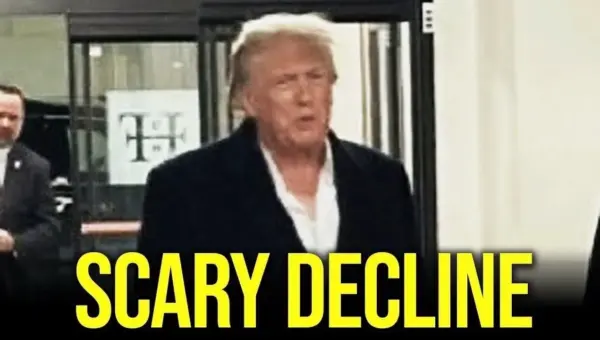
MAGA Allies Sound Alarm on Trump’s Mental State
Figures once loyal to Donald Trump, including Marjorie Taylor Greene and Alex Jones, are now publicly questioning his mental fitness and calling for his removal. This internal dissent signals deep cracks within the MAGA movement and raises questions about the future of the Republican party.
NATO Allies ‘Exhausted’ by Trump’s Actions, Ex-Amb. Warns
Former U.S. Ambassador to Russia Michael McFaul states that NATO allies are "exhausted" by Donald Trump's unpredictable rhetoric and actions. European leaders, including those from Britain and France, are expressing frustration with Trump's inconsistent commitment to the alliance, fearing it weakens collective security.
Vance Navigates Iran Crisis Amidst Trump’s Conflicting Statements
A US delegation is in Pakistan for critical talks with Iran aimed at reopening the Strait of Hormuz, a key global oil route. The mission comes as rising gas prices and inflation strain the US economy. Former President Trump's conflicting statements and J.D. Vance's described role add complexity to the high-stakes negotiations.