Iran Challenges US Dominance, Reshaping Global Power
A recent ceasefire marks a significant shift, not a victory for the US. Iran has emerged as a stronger global player, challenging American dominance. The conflict damaged US reputation, disrupted global markets, and signaled the end of the US hegemonic era.

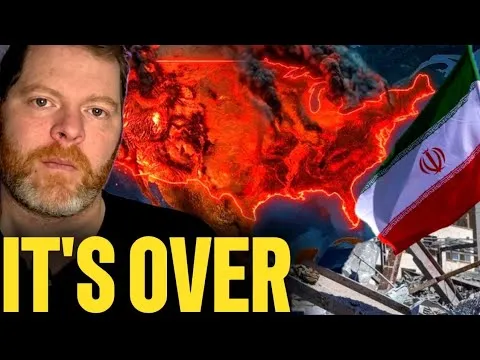
Iran’s Rise as a Global Player Shifts World Order
A recent pause in conflict, presented by some as a victory, actually signals a significant shift in global power. Iran has emerged from recent events not as a defeated nation, but as a major player on the world stage. This development challenges decades of American dominance and forces a reevaluation of international relations.
Ceasefire: A Pause, Not a Peace
The recent ceasefire in the Middle East is not a lasting peace. It’s more like a temporary break, a chance for both sides to rest, regroup, and prepare for future actions. No real progress has been made in negotiations, meaning the conflict is likely to continue.
Iran’s Strategic Gains
Iran has successfully navigated a difficult period, emerging stronger. Despite what is said in the United States, the rest of the world sees Iran in a better position now than before the conflict began. The Strait of Hormuz, a vital global shipping route, has become a symbol of this shift.
Control of the Strait of Hormuz
Iran’s Foreign Minister stated the Strait of Hormuz would be open under Iranian supervision. While the Strait is an international waterway, Iran has shown it can influence global trade by disrupting it. This ability gives Iran significant leverage, a reality that cannot be ignored, regardless of international law.
US Reputation Damaged
The United States has suffered a significant loss in its global reputation. Actions that destabilized global energy markets will have long-lasting effects on American foreign policy. This period could be remembered as one of the biggest disruptions to energy markets in history.
Propaganda and Perception
Both sides are using propaganda to shape the narrative. While some in the US claim a decisive military victory, Iran’s continued actions, like missile launches into Israel after a peace agreement, suggest otherwise. The reality is that both sides have experienced victories and losses.
Nationalism in Iran
Claims that Iran begged for a ceasefire are likely false. The conflict has fueled a strong sense of nationalism within Iran. Many Iranians have shown incredible defiance against perceived American military might, forming human chains to symbolize resistance. This spirit is unlikely to disappear soon.
Shifting Alliances and Economic Leverage
The world is changing, and the US no longer holds the same level of influence. In 2025, the weaponization of tariffs by the US forced allies to seek new trade partners, excluding America. This period marks the end of the American hegemonic era and the start of a more unstable, competitive global environment.
Iran’s Negotiating Strength
While not always successful fighters, Iran’s negotiators are considered very skilled. This makes the current truce fragile. There are factions within Iran that want to negotiate, but others may obstruct progress. The US claims it has military, diplomatic, and economic leverage, but this is questioned given the current geopolitical realities.
The True Cost of Conflict
The conflict has depleted US military stockpiles, forcing a massive increase in arms production. Old equipment, like artillery shells from 1957, highlights the strain on resources. The cost difference between expensive US assets and cheaper Iranian drones shows an asymmetrical warfare approach.
Proxy Networks and Regional Instability
Iran’s network of proxies, including the Houthis and others, is more complex and widespread than often acknowledged. These groups have ties and hostilities that involve regional players like Somalia and Somaliland. Israel, heavily supported by the US, also acts in its own interests, continuing operations in Lebanon even during a ceasefire.
Global Economic Impact
The disruption to the Strait of Hormuz and Bab al-Mandeb straits has not yet fully impacted global supply chains. The delays in shipping will affect everything from food to fertilizer and industrial chemicals. If these routes are shut down again, global morale could shatter, and the economic consequences will be severe and long-lasting for everyone.
The End of an Era
The United States is increasingly seen as an untrustworthy partner on the world stage. The conflict has brought the world to the brink, with talk of nuclear weapons and civilization-ending events. This perception has eroded the US geopolitical position, creating sympathy for Iran and marking a significant departure from its former dominance.
Historical Context and Future Scenarios
For 47 years, Iran has prepared for conflict, understanding it cannot win a direct fight against the US. Their strategy involves asymmetric warfare and leveraging strategic locations like the Strait of Hormuz. The current ceasefire is a temporary measure, and future escalation is possible, especially with ongoing Israeli actions in Lebanon.
US Military Readiness
The US military has used much of its older stockpile and pushed significant resources to Ukraine. The current conflict with Iran has further depleted these reserves. The need to ramp up production by 400% indicates a significant strain on US military capacity.
A World Rearranged
The geopolitical chessboard has been rearranged. Iran holds significant influence over the global economy, a bizarre statement just a few years ago. The United States’ claim of strong leverage is being challenged by a world that has become more defiant and is forging new economic ties that exclude the US. This is a critical moment, accelerating global change and leading to instability as nations jockey for position.
Global Impact
This period signifies a profound change in the global order. The US is no longer the sole superpower dictating terms. Iran’s resilience and strategic positioning, coupled with the world’s growing defiance against perceived American overreach, are creating a more multipolar and unpredictable international system. The economic consequences of these disruptions will be felt globally for months to come, impacting everything from food security to industrial production.
Source: America’s Hegemonic Era is Over (And You Will Pay the Price) (YouTube)

Related Articles

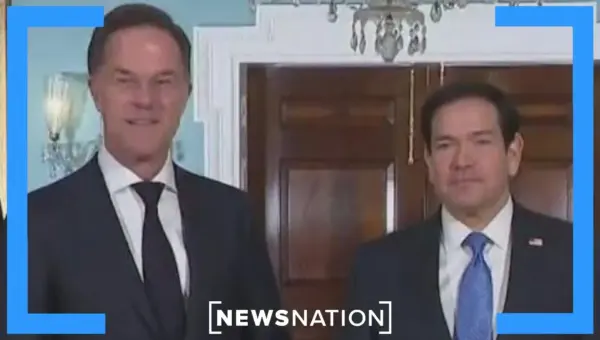
Iran Ceasefire Shakes Global Alliances, NATO Chief Visits White House
A fragile two-week ceasefire involving Iran is creating international uncertainty. Amidst questions about the deal's terms and potential violations, the NATO chief is visiting the White House. This visit aims to shore up U.S. commitment to the alliance, which has faced criticism.
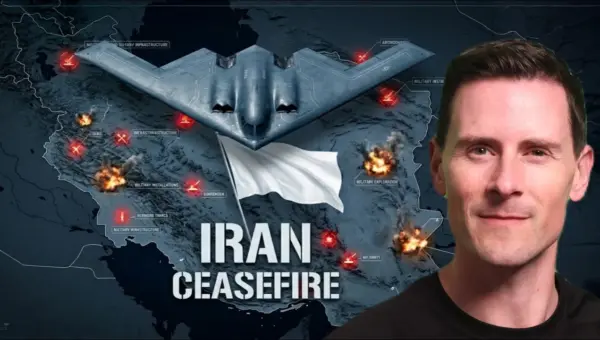
US-Iran Ceasefire Holds Amid Post-Strike Tensions
A two-week ceasefire has been declared in the U.S.-Iran conflict, marking day 39 of Operation Epic Fury. Despite the pause, Iran launched drone attacks on Gulf partners, prompting retaliatory strikes on Iranian oil infrastructure. U.S. forces conducted extensive operations targeting Iran's industrial base and leadership prior to the ceasefire.


Ceasefire Shattered: Mideast Plunges Back into Chaos
A newly announced ceasefire in the Middle East has been instantly violated, plunging the region back into chaos. Attacks on oil facilities and pipelines have escalated, with conflicting reports on the terms of the agreement. This rapid breakdown signals a difficult path ahead for regional peace.