Iran Ceasefire: Trump Claims Victory Amidst Shifting Global Alliances
President Trump has announced a two-stage ceasefire with Iran, brokered in part by Pakistan. Both nations claim victory as a 10-point Iranian proposal becomes the basis for upcoming talks. The deal raises questions about U.S. global alliances and the strategic control of the Strait of Hormuz.

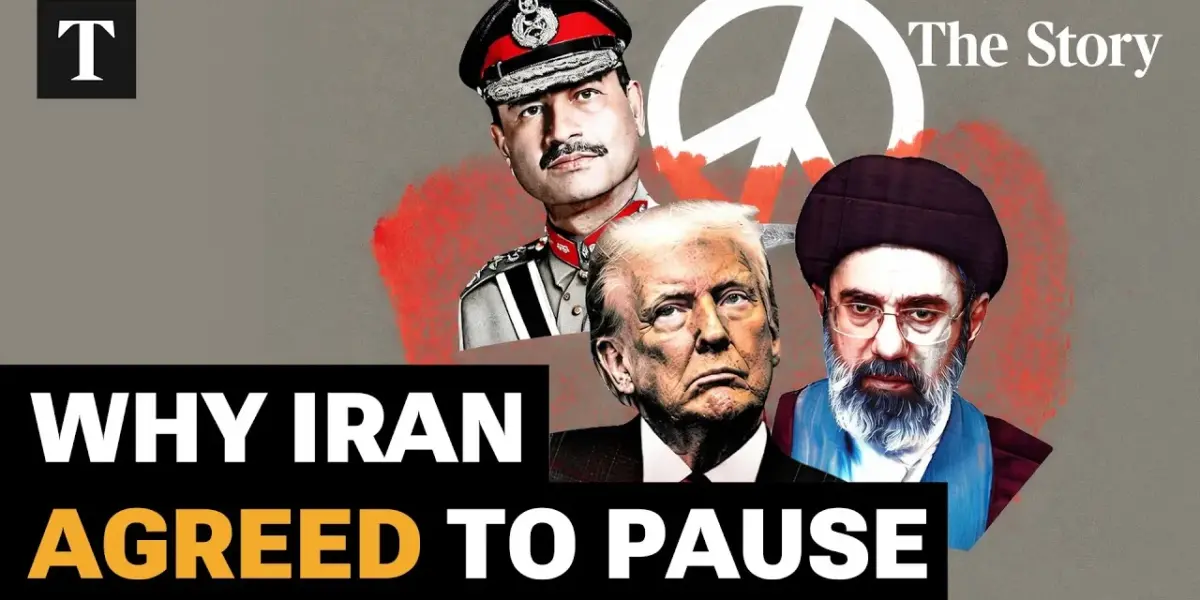
Trump Announces Iran Ceasefire, Pakistan Plays Key Role
In a significant development, both the United States and Iran have announced a two-stage ceasefire, bringing a temporary halt to escalating tensions. President Donald Trump declared he is suspending a deadline for Iran to strike a deal or face further U.S. military action. The agreement, however, has led both sides to claim victory, creating a complex picture of the situation.
Katherine Phelps, World Affairs Editor at The Times, described the announcement as a “huge relief.” She explained that discussions began on Monday evening, with Iran resubmitting a proposal based on a previous American rejection. Pakistan, acting as a mediator due to its relationships with both nations, relayed these points to President Trump, urging him to postpone threats against Iran’s civilian infrastructure.
“Despite the fact that these are mostly points that the US has rejected in the past, Trump jumped on that and I think that we can read from that that he was really looking for an offramp here,” Phelps noted. The agreement includes a plan for discussions on Friday in Islamabad, Pakistan.
Pakistan’s Strategic Mediation Role
Pakistan has emerged as a crucial intermediary in this conflict. The country has cultivated strong relations with President Trump, partly by allowing him to take credit for forcing truces in past conflicts, even earning him a Nobel Peace Prize nomination. This strategic positioning, coupled with Pakistan’s own significant interests in regional stability, has made it an effective mediator.
“Pakistan also has this relationship with Iran and it has relationships with quite a lot of other countries who are involved here,” Phelps explained. “It has very strong interests of its own in resolving this because it’s very badly exposed to this closing of the Strait of Hormuz in terms of its energy supplies.”
Additionally, Pakistan has sought to enhance its global standing and distract from domestic issues by playing a key role in international diplomacy. The country has also explored potential U.S. investments, including in cryptocurrency, a move linked to individuals with personal ties to the Trump administration.
The 10-Point Iranian Proposal: A Wish List?
The core of the potential deal lies in a 10-point plan put forward by Iran. This proposal includes several key demands, such as a U.S. commitment to not attack Iran again, and potentially allowing Iran to continue uranium enrichment – a point previously considered a red line by the U.S.
Other points reportedly include Iran’s continued control over the Strait of Hormuz, the lifting of primary and secondary sanctions, the removal of UN Security Council and IAEA resolutions against Iran, war reparations, and the withdrawal of all U.S. combat forces from the region. This comprehensive list has been described as a “wish list” from the Iranian side.
President Trump has called the plan a “workable basis for negotiation,” a statement that Phelps finds difficult to reconcile with his previous stances. “I think there’s some kind of selective reading going on, shall we say?” she commented.
Global Implications and Strained Alliances
The ceasefire, while offering a reprieve, raises significant questions about America’s global standing and its alliances. The signal sent to adversaries like China and Russia is seen as potentially worrying, particularly concerning President Trump’s conduct in recent days.
Phelps noted, “He has torched valuable alliances by throwing his toys out of the cot over the fact that NATO allies didn’t join him in a conflict they weren’t consulted about.” The U.S. relationship with Israel has also come under strain, with reports of disagreements between U.S. intelligence officials and Israeli leadership regarding the conflict.
The situation in the Gulf remains a critical concern. Gulf nations, who rely on U.S. security guarantees, found limited support during recent attacks. Their relationship with America is now being re-evaluated, especially given their need to coexist with Iran.
The Strait of Hormuz: A Powerful Lever
Control over the Strait of Hormuz remains a central issue. While the U.S. maintains the strait is open if Iran ceases its actions, Iran has selectively allowed passage for certain tankers. The possibility of Iran effectively establishing a “toll booth” system for passage through the strait is a significant concern, though experts note this is not legally feasible under international law.
The impact on oil prices is also being closely watched. While markets saw a brief rally, the full restoration of oil flow through the Gulf may take time. The potential for Iran to use the Strait of Hormuz as a weapon to paralyze the global economy remains a potent threat if a lasting deal is not reached.
What Comes Next?
The upcoming talks in Islamabad are crucial for solidifying the ceasefire into a lasting peace deal. However, the precedent set by Gaza and Lebanon, where ceasefires have yielded little lasting change, raises concerns. Experts warn that without a firm agreement, the threat of renewed conflict, particularly from Israel, remains live.
The broader implications for President Trump’s domestic standing, especially with upcoming mid-term elections, are also significant. A potential Republican setback could limit his ability to pursue further aggressive foreign policy actions. The world watches to see if this ceasefire marks a genuine de-escalation or merely a pause before further conflict.
Source: Trump's Ceasefire with Iran – What’s in It and What Next (YouTube)

Related Articles


Trump’s Wild Rants Expose a Presidency Adrift
Donald Trump's recent 'batshit crazy' outbursts, attacking former allies and reacting erratically to the Iran crisis, signal a leader adrift. Professor Scott Lucas argues this isn't diplomacy but desperate shouting, as geopolitical tensions escalate and traditional allies seek new paths.
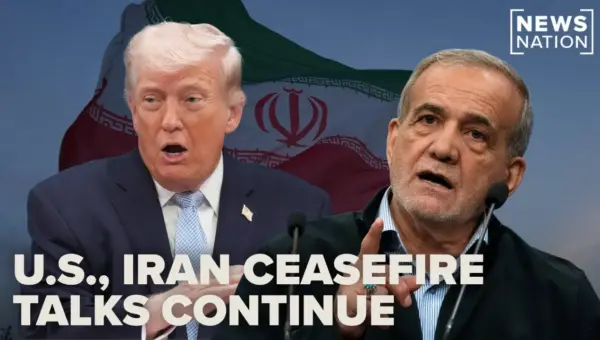
Iran Threatens Strait of Hormuz Amid Lebanon Strikes
Iran threatens to close the vital Strait of Hormuz in response to ongoing strikes in Lebanon. The US is trying to de-escalate, but actions on the ground remain a concern, potentially impacting global oil markets and future negotiations.
Senator Slams Jeffries’ Iran Stance, Cites Nuclear Threat
Senator Rick Scott sharply criticized House Democratic Leader Hakeem Jeffries over his stance on Iran, calling him an "idiot" for seeking to limit the President's authority. Scott highlighted the threat of Iran developing nuclear weapons. The discussion also covered President Trump's stance on NATO and the ongoing DHS funding shutdown.