Iran Ceasefire Strains Amid Strait of Hormuz Dispute
A fragile ceasefire in the Middle East is facing significant strain, with reports of continued missile activity and a dispute over the reopening of the Strait of Hormuz. The US insists it holds considerable leverage over Iran, while Iranian officials claim the deal has already been violated. The coming days will be critical in determining the stability of the region.

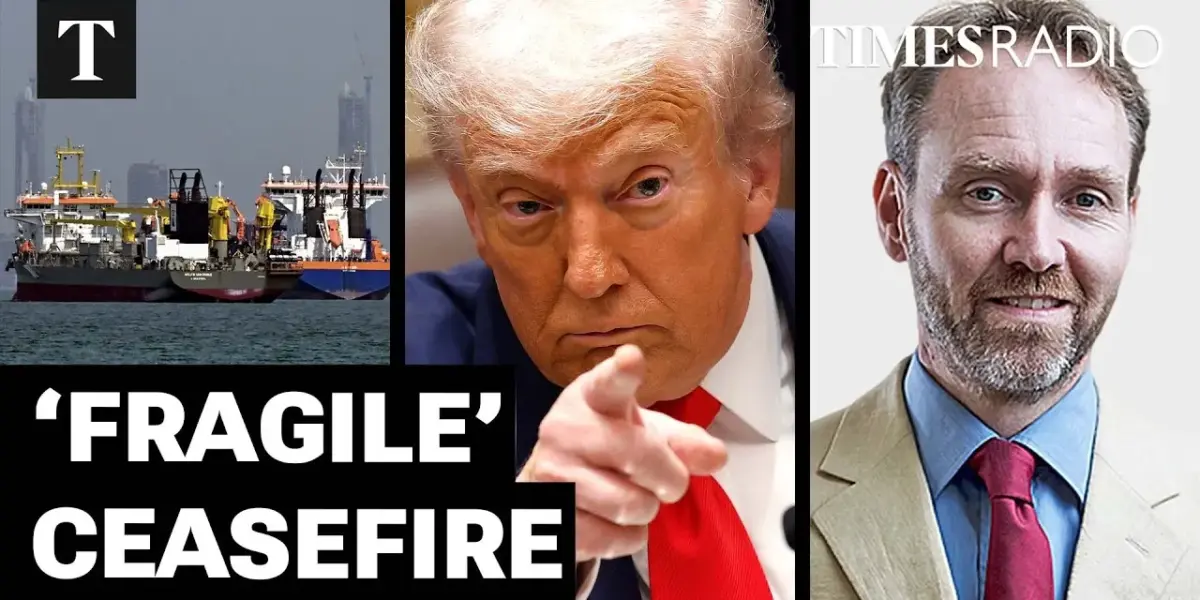
Fragile Peace Under Pressure
A recently agreed-upon ceasefire in the Middle East appears to be on shaky ground, with reports of continued missile activity and a dispute over the reopening of the vital Strait of Hormuz. The deal, negotiated with the help of Pakistan, is facing significant challenges just days after its announcement, raising questions about its long-term viability.
Strait of Hormuz: A Key Point of Contention
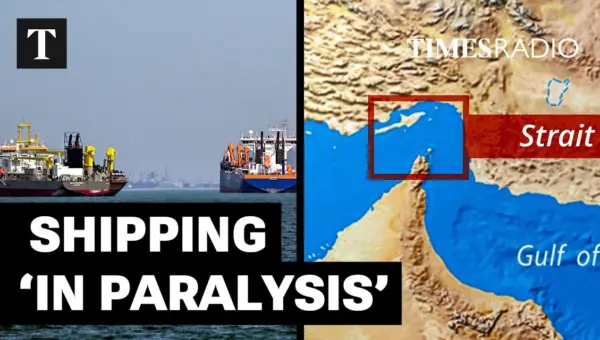
A major point of tension is the status of the Strait of Hormuz, a crucial waterway for global oil transport. While the White House has stated that the strait is open and traffic is increasing, reports from the region suggest Iran may be blocking transit. This directly contradicts a key part of the supposed ceasefire agreement, which included the immediate reopening of the strait. The coming days will be critical in determining whether this vital passage is truly accessible.
Conflicting Messages and Ceasefire Violations
Adding to the uncertainty, different Iranian officials are sending mixed signals about the ceasefire. The Iranian parliament speaker has stated that Iran’s enemies have already violated the deal, citing issues with nuclear enrichment and the ceasefire’s application to Lebanon. The US and Israel, however, maintain that Lebanon is not part of the agreement. These conflicting interpretations highlight the deep divisions and mistrust that persist.
US Stance: Leverage and Nuclear Ambitions
From the US perspective, the administration, including figures like JD Vance, emphasizes the significant leverage it holds over Iran. Officials assert that Iran is out of options and has agreed to terms that prevent it from developing nuclear weapons. The core of the negotiation, according to the US, is ensuring Iran cannot create a nuclear weapon and removing all nuclear fuel. Sanctions relief and economic partnerships are being offered as incentives for Iran to make a firm commitment to halt its nuclear program.
“The president’s been clear from the beginning. There will be no Iranian nuclear weapons. Period. Full stop. Other presidents said it. President Trump did it.”
The US also points to economic and military leverage, stressing that its actions are aimed at ensuring American safety and securing a favorable deal. While acknowledging the suffering of the Iranian people, the US warns of serious consequences for the Iranian regime if they fail to uphold their end of the bargain.
Broader Regional Context and Israeli Actions
The situation is further complicated by Israel’s ongoing military campaign against Hezbollah in Lebanon. Israeli Prime Minister Benjamin Netanyahu has stated that this operation will continue, adding another layer of instability to the region. The debate over whether Lebanon is included in the ceasefire adds to the complexity of the unfolding events.
Political Developments in the US
Beyond the Middle East, the transcript also touched upon domestic political matters. The Department of Justice’s decision not to have former Attorney General Pam Bondi appear for a deposition in the Jeffrey Epstein investigation was discussed. A Republican-controlled committee is reportedly upset by this move, viewing it as an attempt to obstruct their inquiry. Additionally, the narrow victory of Republican Clay Fuller in Georgia’s runoff election, which saw a reduced margin compared to previous results, was noted as a potential indicator of shifting political sentiment.
Looking Ahead
The coming days are crucial for assessing the true state of the ceasefire. The planned talks in Islamabad, involving US representatives like JD Vance, Steve Bannon, and Jared Kushner, will serve as a key test of whether Iran will send senior officials to engage in substantive negotiations. The world will be watching closely to see if the Strait of Hormuz remains open and if the fragile peace can be sustained amidst escalating rhetoric and ongoing regional conflicts.
Source: Trump’s ‘Shaky’ Ceasefire Under Strain As Strait Of Hormuz Reportedly Not Open | David Charter (YouTube)

Related Articles
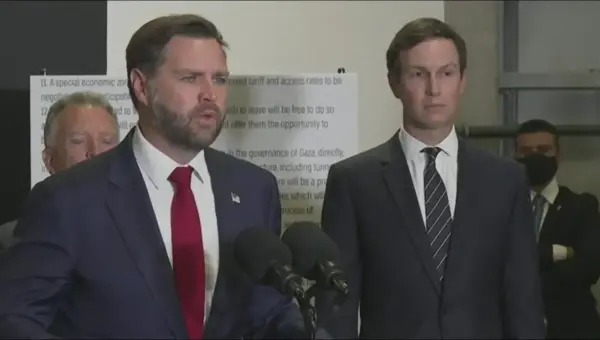
US Envoy Vance Navigates Pakistan Talks for Iran Ceasefire
Vice President JD Vance is leading high-stakes peace talks in Pakistan with Iranian leaders, aiming to preserve a fragile ceasefire. The negotiations face uncertainty regarding Iranian representation and are complicated by Israeli military actions in Lebanon. A key U.S. demand is ensuring safe passage through the Strait of Hormuz.

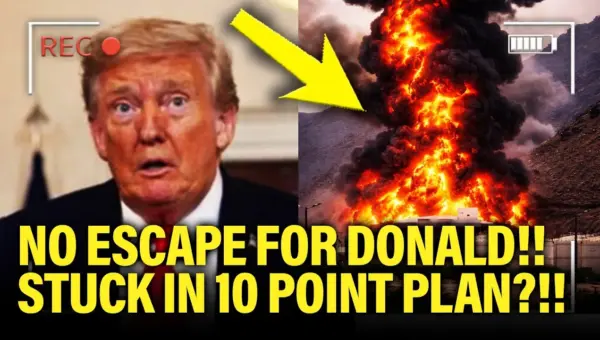
Iran Outmaneuvers Trump, Dominates Strait of Hormuz
Iran appears to have outmaneuvered Donald Trump, gaining control over the Strait of Hormuz and disrupting global oil shipments. The situation is rooted in a disputed ceasefire agreement, with Iran claiming the U.S. is backtracking on terms that included Lebanon.
Strait of Hormuz Blockade to Last Months, Shipping Expert Warns
Shipping in the Strait of Hormuz remains severely disrupted despite a ceasefire, with an expert warning it could take months to clear. Iran has implemented an informal toll system, demanding payments from vessels transiting the vital waterway. Around 20,000 crew members are stranded as security risks prevent normal operations.