Iran Ceasefire Offers Pause, Not Peace
A fragile two-week ceasefire between the U.S. and Iran offers a temporary pause in escalating tensions but falls short of a lasting peace deal. Key global economic routes like the Strait of Hormuz remain vulnerable, and regional conflicts persist, posing ongoing risks to markets and supply chains.

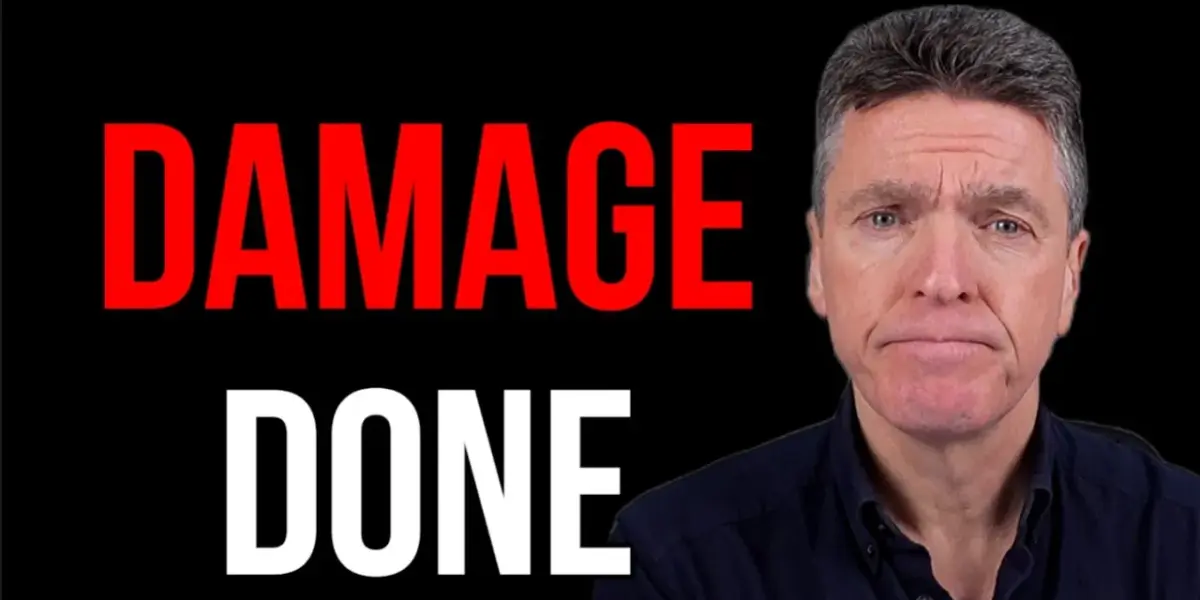
Iran Ceasefire Offers Pause, Not Peace
The United States and Iran have agreed to a two-week ceasefire, offering a temporary reprieve from escalating tensions. This pause, however, is not a full peace deal but rather a conditional truce. The key condition is the safe and immediate reopening of the Strait of Hormuz, a vital global shipping lane. Iran has agreed to this, but only if attacks against it cease.
Negotiations are expected soon, but the situation remains highly uncertain. The agreement comes after intense rhetoric from President Trump, who had threatened to strike critical Iranian infrastructure. Iran’s response was to gather civilians around these sites, effectively creating human shields. This move placed the U.S. in a difficult position, as striking civilian-protected targets would have severe international consequences and risk mass casualties.
While some have called this a sign of the U.S. backing down, the reality is more complex. The cost of escalation, particularly in terms of human lives, had become too high. The ceasefire is temporary, conditional, and involves only the U.S. and Iran. Both sides are claiming victory, suggesting a lack of a decisive outcome.
Regional Risks Remain
A major complication is the status of Lebanon. While the U.S. and Iran may be pausing hostilities, Israel has stated that its operations in Lebanon are continuing. This means the wider regional conflict is still active. If Lebanon escalates again, perhaps through Hezbollah, which is backed by Iran, this fragile ceasefire could quickly fall apart.
Strait of Hormuz: A Critical Chokepoint
The Strait of Hormuz is crucial for the global economy, especially for energy transport. Iran is now exploring the possibility of charging fees for ships passing through. Even a limited imposition of fees or restrictions would significantly impact global trade. This could lead to permanently higher energy prices, increased shipping and insurance costs, and greater market volatility.
The economic consequences of this conflict are not disappearing with the ceasefire. Even with the pause, oil prices remain significantly higher than at the start of 2026, around $95 a barrel compared to $60. Gas prices, while down slightly, are still elevated. Shipping costs and insurance premiums are also much higher, and supply chains have already been affected. The world has seen that the Strait of Hormuz can be disrupted and used as leverage.
What Investors Should Know
The long-term impact of this conflict goes beyond immediate price movements. It represents a lasting shift in how risk is perceived. Markets now price in the potential for disruption in vital shipping lanes. Companies are re-evaluating their supply chain strategies, and governments are focusing more on energy security. This increased awareness of risk will likely affect market behavior and investment decisions going forward.
While the immediate threat of major escalation has decreased, the current situation is fragile. The ceasefire is temporary, conditional, and subject to different interpretations. There are still many ways the situation could deteriorate. This pause may simply be a prelude to the next phase of the conflict, rather than a definitive end.
The U.S. objectives, which included destroying Iran’s missile capability, taking out its navy, cutting off support for proxies, and preventing nuclear weapons development, do not appear to have been fully met. Iran retains significant military capabilities and continues its proxy activities. Therefore, from the U.S. perspective, this ceasefire represents an unfinished conflict rather than a completed mission.
Washington is framing the situation as a choice for Iran: become a normal country and rejoin the global economy, or continue its current path and face consequences. However, this requires trust in the process, which is currently limited. The damage done to the global economy, even with the pause, means a return to pre-conflict conditions is unlikely.
Source: Damage Done (YouTube)

Related Articles

Trump Shifts Mideast Policy, Eyes NATO Reform
The U.S. has paused military action against Iran, seeking a diplomatic solution while pressuring NATO for greater involvement. This shift highlights economic leverage and potential regional stability changes. Talks in Pakistan could be key to de-escalation.
Middle East Ceasefire Shattered by Iranian Missile Barrage
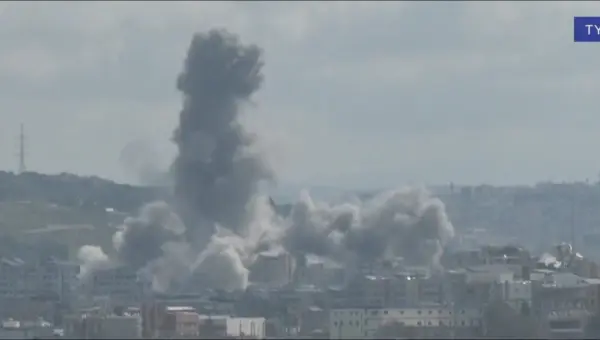
A fragile Middle East ceasefire has been shattered by a barrage of Iranian missiles and drones just hours after its announcement. The UAE and Kuwait reported intercepting threats, while Israel confirmed suspending strikes but faces continued aggression. The Strait of Hormuz and actions in Lebanon remain critical flashpoints, complicating diplomatic efforts.


50-Year Economic Echo: Inflation, Oil Spikes Resurface
A potent mix of high inflation, soaring oil prices, and economic slowdowns, reminiscent of the 1970s, is re-emerging in 2026. This economic "rhyme" offers lessons for investors, highlighting the long-term benefits of strategic investing over chasing speculative trends.