Iran Ceasefire Falters Amidst Renewed Attacks and Disputed Terms
A fragile two-week ceasefire between Iran and Israel is already on shaky ground, with reports of renewed attacks and conflicting interpretations of the agreement. Israel signals readiness to resume fighting, while Lebanon remains caught in the crossfire of a conflict it did not start. The situation raises critical questions about international law, accountability, and the future of regional stability.

Ceasefire on Shaky Ground Hours After Agreement
A fragile two-week ceasefire between Iran and Israel, brokered with U.S. involvement, is already showing signs of unraveling just hours after its announcement. The agreement, reached less than 90 minutes before a U.S. deadline to reopen the vital Strait of Hormuz, was hailed by all sides as a victory. However, reports indicate Iran has already closed the shipping passage again, citing ongoing Israeli attacks on Lebanon.
The Israeli military confirmed large-scale air strikes on targets in the Lebanese capital, described as the most significant since the conflict with Hezbollah began last month. Both the U.S. and Israel maintain that operations in Lebanon were never part of the ceasefire deal. Meanwhile, Gulf states are reporting new attacks launched from Iran following the ceasefire announcement, further complicating the situation.
Israel Signals Readiness to Resume Hostilities
Israeli Prime Minister Benjamin Netanyahu stated his country is prepared to restart military operations against Iran at any moment. “We have more objectives to complete and we will achieve them either through agreement or by resuming the fighting because we are prepared to return to combat at any moment necessary. Our finger is on the trigger,” Netanyahu declared.
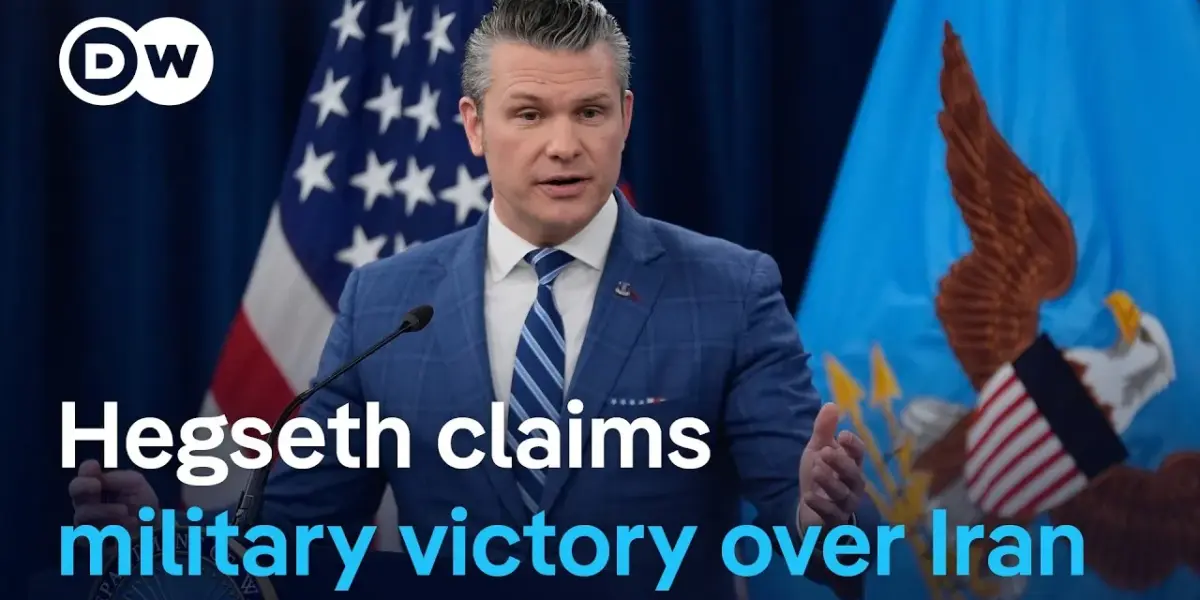
In parallel, a U.S. negotiation team led by Vice President JD Vance is en route to Pakistan for talks with Iranian officials scheduled for Saturday. U.S. Defense Secretary Pete Hexath announced that U.S. and Israeli forces had achieved what he termed a “capital V military victory.” He added that a final wave of over 800 strikes had destroyed Iran’s defense industrial base, leaving minimal capabilities for missile and rocket production.
Expert Analysis: Defining Victory in a Complex Conflict
Dr. Steven Wills, an expert on U.S. Navy strategy and policy from the Center for Maritime Strategy, offered a nuanced perspective on the claims of victory. “It really depends upon a great many things,” Dr. Wills explained, emphasizing that victory is often defined by whether initial objectives were met. He noted that Iran’s regime could claim victory if its primary goal was to remain in power.
Dr. Wills also highlighted that the U.S. military footprint in this conflict was significantly smaller than in previous operations like Iraqi Freedom or Desert Storm. This smaller force, he suggested, requires more time to service targets. “Anybody can claim victory. They’re still standing,” he stated, but cautioned that Iran’s victory might be “hollow” given the extensive losses in military equipment and depleted weapon stocks.
Strait of Hormuz: Mines and Blockades
The situation in the Strait of Hormuz remains a critical point of contention. While reports suggested Iran had mined the waterway, Dr. Wills expressed skepticism about large numbers of Iranian mines being present. He noted that Iran possesses a significant mine inventory but has also used missiles and drones to threaten shipping.
“If mines were there, I think shipping companies would be very wary of going through there because… cleaning up mines is messy, difficult, and time-consuming,” Dr. Wills observed. He added that if Iran wishes to reopen the strait for revenue, they would likely not want to spend time clearing mines.
Regarding the renewed closure of the strait by Iran, Dr. Wills stated, “Closing an international strait like that is a severe blow… to the international order.” He compared the practice of charging fees for passage to a “criminal shakedown” and warned it sets a dangerous precedent for other international waterways.
Ceasefires and the Reality of Ongoing Conflict
The perception of a ceasefire often differs from the reality on the ground. Dr. Wills acknowledged that fighting can continue even after agreements are made, citing the example of the WWI armistice. He suggested that scattered fighting might occur due to potential breakdowns in Iran’s chain of command, leading to rogue commanders acting independently.
“Scattered fighting occurs. There is evidence perhaps that Iran’s chain of command is broken in some places and you may have individual rogue commanders out there that are still shooting,” he said. He warned that continued shooting could damage the fragile ceasefire.
Legal and Ethical Dimensions of Warfare
The conflict has also raised serious legal and ethical questions. Giznia, an American Iranian human rights lawyer, addressed concerns about potential war crimes, particularly regarding threats to attack civilian infrastructure. “Deliberately attacking civilian infrastructure… you cannot target that infrastructure if it would result in humanitarian catastrophe,” she stated.
Giznia noted that President Trump’s administration has shown disregard for multilateralism and international legal norms. She pointed out that the U.S. is not a member of the International Criminal Court, and Iran’s government is also not a signatory, creating gaps in accountability.
“The United States military does of course undertake investigations when there are allegations of mis-targeting civilian casualties,” Giznia said, referencing the investigation into the Mana incident. However, she stressed the need for international community to “hold all country leaders to the same standard,” regardless of the perceived justness of a war.
Lebanon Caught in the Crossfire
Fari Nicholas Naser, a senior fellow at the Middle East Institute, highlighted Lebanon’s precarious position. He confirmed that while Pakistan, the mediator, stated the ceasefire included Lebanon, both Washington and Israel maintain it does not. “On the ground in Lebanon, the message is unmistakable. Lebanon is currently not included in any ceasefire,” Naser stated.
He described the recent Israeli attacks on Lebanon as “terrifying and painfully familiar,” exposing the core problem: “The Lebanese state does not decide war. It does not decide peace and Lebanon remains a front line in a wider regional conflict.” Naser emphasized that ordinary Lebanese citizens are bearing the brunt of this conflict, which is fought on their soil for forces beyond their control.
“Israel’s war is with Hezbollah, but Lebanon is paying the price of that war,” Naser explained. He concluded that Israeli force is not a lasting solution and advocated for a “sovereign Lebanese state. One that decides war, one that decides peace, and one that protects its citizens instead of leaving them in the crossfire.”
Looking Ahead: Uncertainty and Accountability
As the situation evolves, the immediate future remains uncertain. The effectiveness of the ceasefire hinges on de-escalation and a clear understanding of its terms by all parties involved. The international community faces the challenge of ensuring accountability for potential war crimes and upholding international law, especially concerning the free passage of vital shipping lanes like the Strait of Hormuz. The role of Lebanon as a proxy battleground also demands urgent attention, with a call for a sovereign state capable of protecting its own citizens.
Source: Iran war: Israel says ceasefire is 'not end of campaign' | DW News (YouTube)

Related Articles


Iran War Looms as China Pushes for Deal
Confusion over draft registration changes and escalating tensions with Iran dominate geopolitical discussions. While China pushes for a diplomatic solution to prevent conflict, the US faces complex negotiations. Meanwhile, the First Lady addresses rumors, seeking to clear her name amidst ongoing scandals.

Iran’s Truce Claims Crumble Amidst Regional Tensions
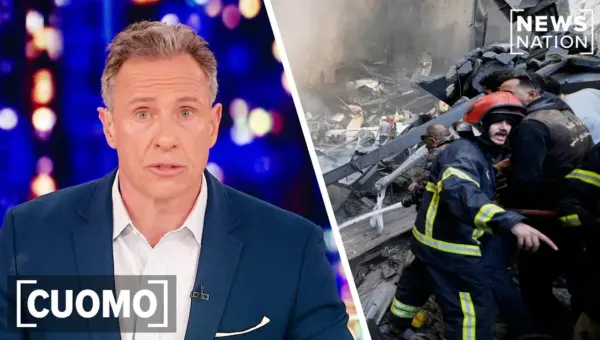
Reports of a ceasefire between Israel and Iran, allegedly brokered with U.S. involvement, are collapsing. No public document or official agreement exists, leaving the U.S. as the sole willing partner with much to lose. Meanwhile, Iran escalates rhetoric and continues regional actions, while domestic U.S. controversies distract from foreign policy.


Kerry Warns Trump on Iran: “Dangerous Moment”
Former Secretary of State John Kerry described the current conflict with Iran as a "very dangerous moment," criticizing the Trump administration's withdrawal from the nuclear deal and its haphazard approach to foreign policy. He warned that these actions have significantly increased Iran's leverage and made future diplomacy much more difficult.