Iran Ceasefire Crumbles Amid ‘Total Confusion’ and Renewed Violence
A fragile ceasefire between Iran and Israel has reportedly collapsed due to conflicting interpretations, leading to renewed violence. Both sides accuse each other of violations, particularly concerning Israeli strikes in Lebanon. The breakdown has significant economic consequences, including rising fuel costs and potential inflation.

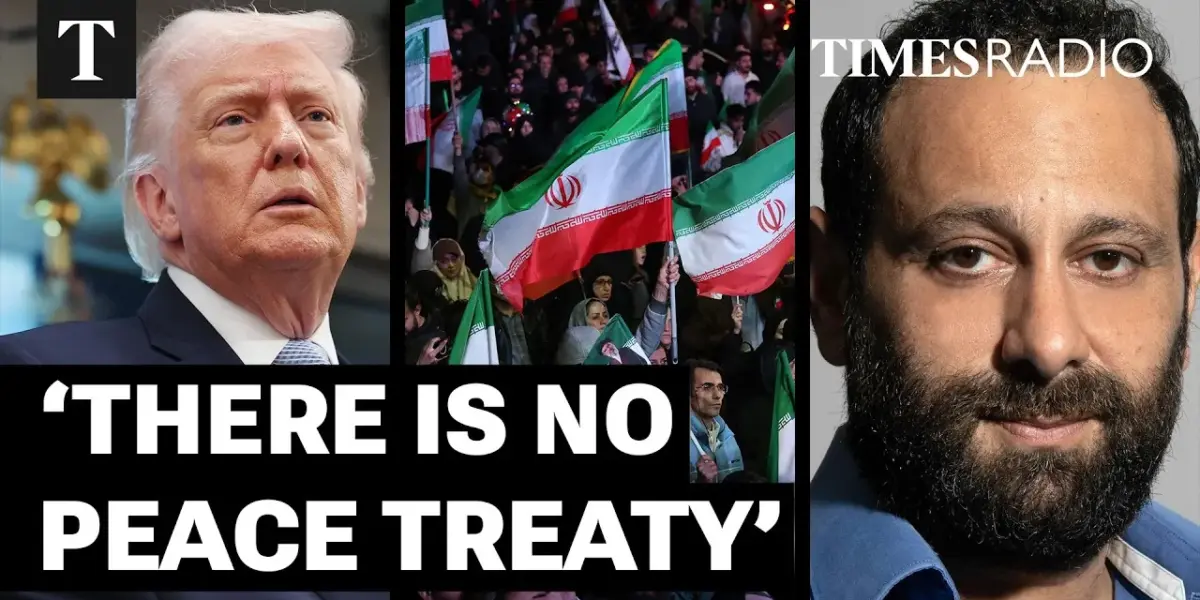
Ceasefire Unravels Hours After Announcement
A fragile ceasefire between Iran and Israel has reportedly broken down almost immediately after its announcement, plunging the region back into confusion and violence. Both sides accuse the other of grave violations, with Iran claiming Israel’s air strikes in Lebanon represent a significant breach of the agreement. The situation highlights a fundamental misunderstanding or disagreement over the terms of the ceasefire, leaving its future uncertain.
Conflicting Interpretations Fuel Violence
Experts suggest that no formal, written agreement was ever finalized. Instead, a loose understanding of the ceasefire’s terms was reached, allowing both Iran and Israel to interpret it in ways that suit their military objectives. Iran’s Deputy Foreign Minister stated unequivocally that Lebanon was understood to be part of the ceasefire. However, Israeli Prime Minister Netanyahu reportedly views Lebanon as outside the scope of the truce. This stark difference in interpretation has led to immediate escalations, with Iran accusing Israel of a “grave violation” and continuing Israeli strikes in Lebanon.
“You cannot have a cake and eat it at the same time. That was the message that Iran sent quite clearly, crystal clearly to Washington last night.”
This statement from Iran’s deputy foreign minister underscores the deep frustration and perceived betrayal felt by Tehran. The message was delivered directly to the Oval Office, indicating Iran’s belief that the U.S. is complicit in allowing the perceived violations to occur. The core issue appears to be the inclusion of Lebanon in the ceasefire. While Iran insists it was a key component, Israel’s actions suggest otherwise, leading to a dangerous impasse.
Israel’s Aims in Lebanon
Foreign correspondent David Patrikarakos suggests that Israel’s actions in Lebanon may stem from a long-standing strategic goal. Following the October 7th attacks, which saw Hezbollah firing rockets into northern Israel, leading to widespread evacuations, Israel feels a heightened need for security. Patrikarakos posits that Israel aims to clear southern Lebanon of Hezbollah forces, creating a buffer zone. This objective, he notes, would necessitate a significant ground operation, which appears to be underway despite the supposed ceasefire.
The scale of the Israeli operation immediately following the ceasefire announcement raises questions about intent. While not privy to Netanyahu’s exact thoughts, Patrikarakos observes that Israel perceives this as a critical moment to address long-term threats. The inability to live with constant rocket fire from across the border has created a strong impetus for decisive action. This strategic calculus in Israel appears to be overriding the fragile truce.
US Influence and International Pressure
Despite the apparent chaos, the United States may still hold leverage over Israel. Patrikarakos points out that the U.S. has previously pressured Israel into agreements it was reluctant to accept, such as the ceasefire in Gaza. While President Trump has stated the U.S. military will remain deployed until a “real agreement” is fully complied with, his administration’s stance can be unpredictable. However, if the U.S. decides to exert significant pressure, it could compel Israel to adhere to a broader ceasefire. The question remains whether this point has been reached.
Meanwhile, key allies like Britain and France have publicly stated that any truce must include Lebanon. This international consensus puts further pressure on Israel. The longer the hostilities continue, the greater the risk of wider conflict and economic fallout, which will likely intensify international rhetoric against the current course of action.
Iran’s Propaganda War
The ongoing conflict and confusion present an opportunity for Iran to advance its propaganda efforts. While Iran itself faces internal pressure and internet restrictions, its leaders are leveraging international criticism of the U.S. and Israel. Iranian propaganda is reportedly sophisticated, utilizing Western platforms and themes—such as referencing George Floyd and the Epstein case—to resonate with global audiences and highlight perceived Western hypocrisy. Any perceived violations of the ceasefire by Israel are likely to be amplified by Iran to bolster its narrative.
Economic Repercussions: Rising Fuel Costs and Supply Chains
The conflict’s impact extends beyond the immediate battlefield, significantly affecting the global economy. Global oil prices have surged by nearly 40% since the conflict began, creating major challenges for industries reliant on fuel. The road haulage industry, in particular, is facing immense pressure. While the industry is resilient and supply chains have not yet seen major disruptions, the cost of diesel is becoming a significant burden for hauliers, many of whom are small businesses operating on thin margins.
These increased costs are inevitably passed on to consumers, especially impacting food prices, as 98% of food and drink in the UK is transported by truck. Experts warn of a potential fueling of inflation if governments do not provide support, such as essential user rebates and a halt to fuel duty increases. The lag in fuel price decreases, even when oil prices stabilize, means the economic pain is expected to linger for weeks and months, affecting businesses and households alike.
Looking Ahead
The immediate future hinges on whether a clear, universally accepted understanding of the ceasefire can be reached, particularly regarding Lebanon. International diplomatic efforts will be crucial in de-escalating tensions and preventing further violence. Economically, attention will be on government responses to support struggling industries like road haulage and mitigate the inflationary impact on consumers. The effectiveness of these measures, coupled with the trajectory of the conflict, will determine the short-to-medium term outlook.
Source: Iran Ceasefire Is Already Unravelling With ‘Total Confusion’ On Both Sides | David Patrikarakos (YouTube)

Related Articles

US-Iran Nuclear Talks Collapse; Ceasefire Remains Fragile
U.S. and Iran ceasefire talks in Pakistan have ended without an agreement after 21 hours, with both sides blaming each other. Key sticking points included Iran's nuclear program and its refusal to accept American terms. The fragile two-week ceasefire remains in place, but regional tensions are high.

Helium Crisis Threatens AI Chip Production
A critical shortage of helium, essential for manufacturing advanced AI microchips, is threatening the global artificial intelligence boom. Geopolitical events and supply chain disruptions have severely impacted helium availability, leading to fears of production halts and a potential repricing of tech valuations.

Oil Prices Surge as Iran Talks Collapse, Global Economy at Risk
Peace talks between the U.S. and Iran have collapsed after 21 hours, dashing hopes for de-escalation. Key disagreements over Iran's nuclear program and the Strait of Hormuz remain unresolved. The breakdown is expected to push oil prices above $100 per barrel and worsen global inflation.