Iran Cease-Fire Eases Oil Prices, But Inflation Still Bites
A cease-fire in the Iran conflict has led to a significant drop in oil futures and is starting to lower gas prices. However, U.S. inflation remains a concern, with consumer prices rising and real earnings falling. This comes as the economy shows signs of slowing down, impacting consumer confidence.

Iran Cease-Fire Eases Oil Prices, But Inflation Still Bites
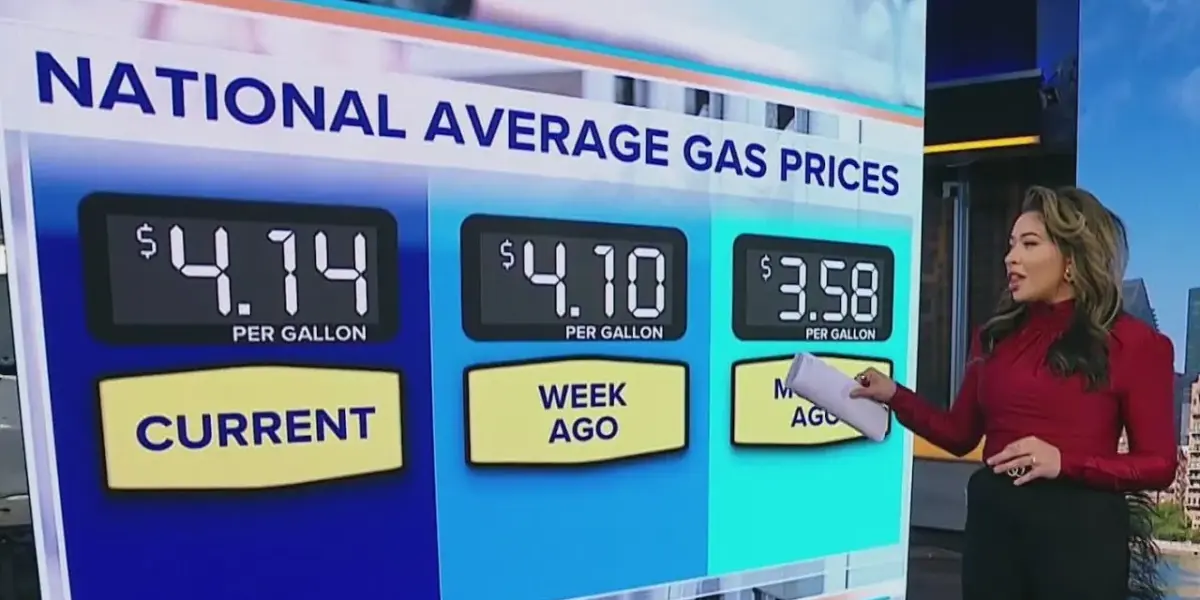
A recent cease-fire in the Iran conflict has brought welcome news for global oil markets. Oil futures dropped significantly, and gas prices at the pump have started to fall. However, this relief may not fully offset the ongoing impact of inflation on American households. New data shows that consumer prices rose more than expected in March, and people’s earnings are not stretching as far as they used to.
Oil Prices Drop on Cease-Fire Hopes
The biggest news comes from the oil markets. Major oil benchmarks, like WTI and Brent crude, saw their largest drop in three years. This happened right after a cease-fire was announced. Oil futures fell about 15% following the news. Analysts expect gas prices to continue dropping by $0.10 to $0.30 over the next few days. This is good news for drivers who have been feeling the pinch at the gas pump.
The Strait of Hormuz, a key waterway for oil transport, is seeing more traffic. This increased flow helps put downward pressure on oil prices. As long as oil futures stay below $100 a barrel and traffic through the strait remains steady, we should see these lower prices continue. This trend is a direct result of the de-escalation of the conflict.
Inflation Remains a Concern
Despite the drop in oil prices, inflation is still a major worry for Americans. Consumer prices went up by 0.9% from February to March. This means prices are up 3.3% compared to last year. This is a significant jump from the previous month’s 2.4% year-over-year increase. The White House acknowledged that the conflict caused short-term disruptions. However, they pointed to stable or falling prices for essentials like eggs, beef, and prescription drugs.
The report shows that core inflation, which does not include volatile food and energy prices, is much lower. Month-over-month core inflation rose by only 0.2%, and year-over-year it was 2.6%. This is seen as a positive sign, suggesting that underlying price pressures are not as severe. However, for most people, the rising cost of living is still a reality. Real earnings for workers actually decreased by 0.6% last month. This means their paychecks don’t buy as much as they did before.
Economic Slowdown and Consumer Sentiment
Adding to these concerns, the U.S. economy is showing signs of slowing down. Data from the last quarter of last year showed slower growth than previously thought. The economy grew by only half a percent. On top of this, consumer confidence has hit a new low. People are feeling less sure about their financial future. This has led to a drop in discretionary income and personal savings.
Many Americans may be dipping into their savings to cover higher costs, especially for gas. Experts worry that even with a cease-fire, the economic slowdown could continue. The combination of inflation and a slowing economy creates uncertainty for households and the broader market.
Global Impact and Historical Context
The events in Iran and their impact on global oil prices are a reminder of how interconnected the world economy is. Historically, conflicts in the Middle East have often led to oil price spikes. This is due to the region’s importance as a major oil producer and key shipping routes like the Strait of Hormuz. For decades, stability in this region has been crucial for global energy security and economic stability.
The current situation shows that while a cease-fire can quickly affect oil prices, the broader effects of inflation can linger. Consumer prices are influenced by many factors, including supply chain issues, government spending, and global events. The recent inflation data highlights how these factors can impact everyday Americans, even as energy prices stabilize.
Future Scenarios
Looking ahead, several scenarios are possible. If the cease-fire holds and oil production returns to normal levels, we could see further decreases in gas prices. This would provide much-needed relief to consumers. However, if the conflict flares up again, oil prices could quickly rise. Inflation could also remain stubbornly high due to other economic factors, even if energy costs fall.
The U.S. government is monitoring the situation closely. They aim to balance economic stability with international security. The coming weeks will be crucial in determining whether the current trend of falling oil prices continues and how effectively inflation can be managed.
Source: Inflation fears rise amid Iran war | Morning in America (YouTube)

Related Articles


Trump Promises Strait of Hormuz Will Reopen Soon
Former President Donald Trump predicts the Strait of Hormuz will reopen soon, linking it to the absence of nuclear weapons. This crucial global oil transit point's stability impacts economies worldwide. Trump expressed confidence in U.S. military strength to ensure passage.


Veteran Blasts War Strategy: ‘No Plan, No Strategy’ in Iran
A former Coast Guard officer with direct experience in the Persian Gulf criticizes the U.S. approach to Iran, stating there is "no plan, no strategy." James Martin, running for Congress in Florida, also highlights the importance of congressional oversight and removing money from politics.


Trump’s Iran War Fuels Inflation, Strains Alliances
Donald Trump's recent military actions in Iran are being blamed for a significant rise in U.S. inflation and increased gas prices, impacting consumer confidence. The conflict has also strained relationships with key international allies, leading to diplomatic friction and questions about the future of alliances like NATO.